UK hits climate‑finance target using £2bn of re‑labelled aid
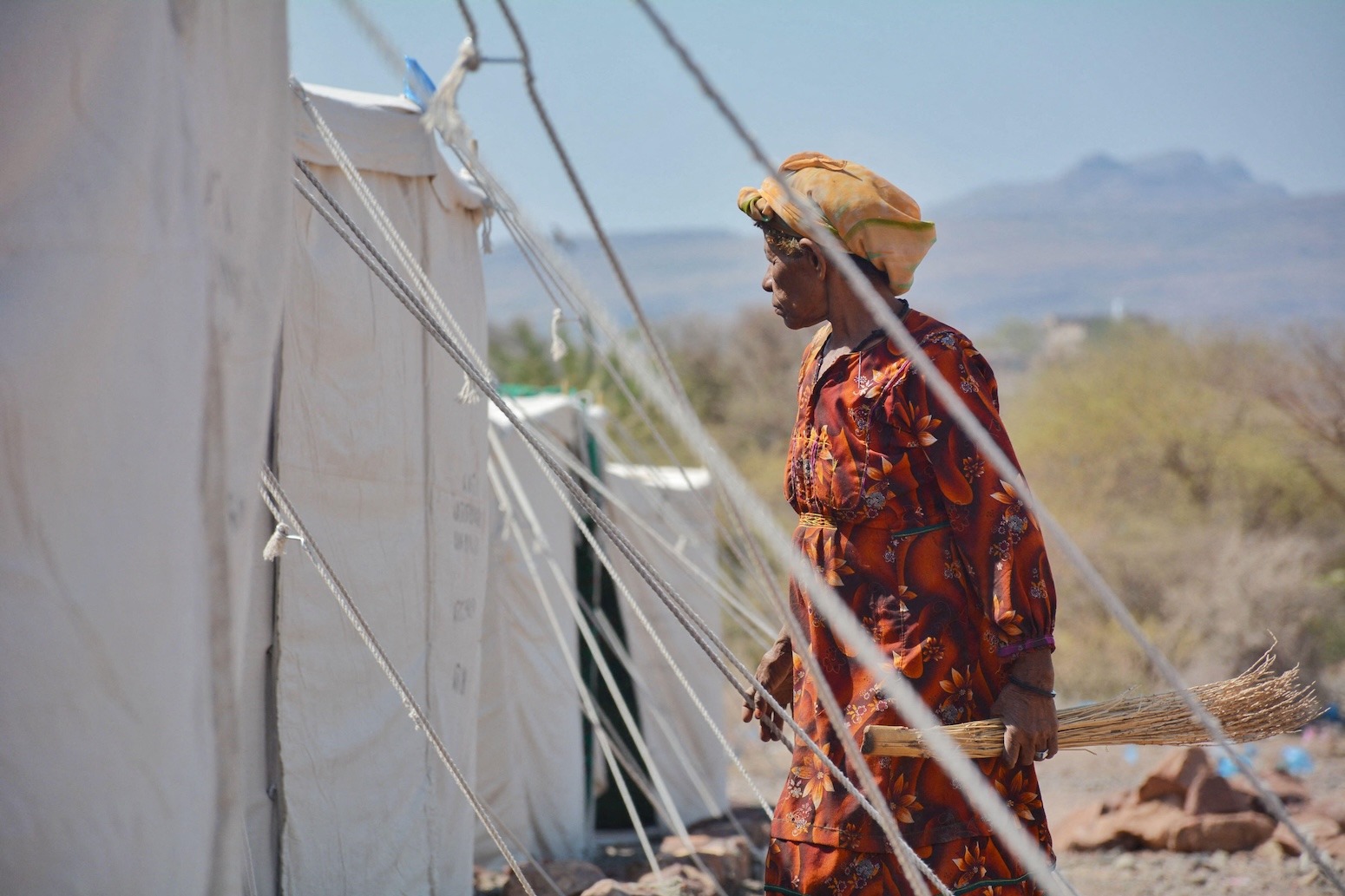
Carbon Brief finds the UK counted existing development funding as new climate finance to meet its £11.6bn pledge.
Target met – but how?
The United Kingdom announced it had met the pledge to deliver £11.6 billion of overseas climate finance by the end of the 2025‑26 financial year. Carbon Brief’s investigation, based on multiple Freedom of Information requests, reveals that roughly £2.1 billion of the reported total was not new spending.
Instead, the government re‑labelled existing contributions to multilateral development banks, private‑sector investment, and aid programmes for Afghanistan, Sudan and other conflict‑affected states as “climate finance”.
With those re‑classifications, total climate finance over the five‑year period reached £12.8 billion, including a record £4 billion in the most recent year.
Accounting changes that added £2bn
The uplift comes from three main accounting adjustments:
Core funding for multilateral development banks – un‑earmarked contributions to institutions such as the World Bank and the African Development Bank were counted as climate finance, adding about £1.1 billion.
Humanitarian aid to vulnerable countries – 30 % of aid to nations judged most at risk from climate change, including Afghanistan, Sudan and the Democratic Republic of the Congo, was automatically classified as climate finance, contributing nearly £600 million.
Private‑sector investment and other re‑classifications – the remaining uplift came from relabelling existing development‑bank and private‑sector funds.
These changes lifted the cumulative total from an estimated £10.7 billion to the reported £12.8 billion, avoiding a shortfall of about £924 million.
Criticism and political reaction
Campaigners, MPs and the UK’s aid watchdog have described the practice as “creative accounting” and “moving the goalposts”. The International Development Committee (IDC) highlighted that the re‑classifications erode the “additionality and credibility” of the UK’s climate finance.
IDC chair Sarah Champion said the data “shines a new light” on the committee’s findings, warning that the government is cutting corners to preserve headline climate‑spending commitments.
A UK government spokesperson responded that the UK is proud to have hit and exceeded its third international climate‑finance target and emphasized the country’s leadership on climate and nature.
Future climate‑finance commitments
Looking ahead, the UK has pledged £6 billion of foreign aid for climate projects over the next three years, making it one of the few major donors to set a post‑2025 target. The new goal averages £2 billion per year, roughly half the £4 billion delivered in 2025‑26.
Carbon Brief’s earlier work suggests that “questionable accounting” could account for about a third of the upcoming target, raising further questions about the robustness of future reporting.
Broader context
Under the Paris Agreement, developed countries are expected to provide “new and additional” climate finance. The UK’s original 2019 pledge of £11.6 billion represented a doubling of its previous five‑year commitment. Since then, successive governments have reduced foreign‑aid budgets, citing economic pressures and defence spending needs, prompting the 2023 decision to broaden the definition of climate‑related spending.
Experts note that the UK had previously been seen as taking a more rigorous approach to climate‑finance accounting, a field that remains largely unregulated and opaque.
As the UK prepares for the next phase of international climate finance, the reliance on re‑classified funds will likely remain a point of scrutiny.