Glacial Floods Threaten Lives in Pakistan’s Gilgit‑Baltistan
Remote villages in northern Pakistan are grappling with devastating floods caused by rapidly melting glaciers.
Summer Once Meant Streams, Now It Brings Fear
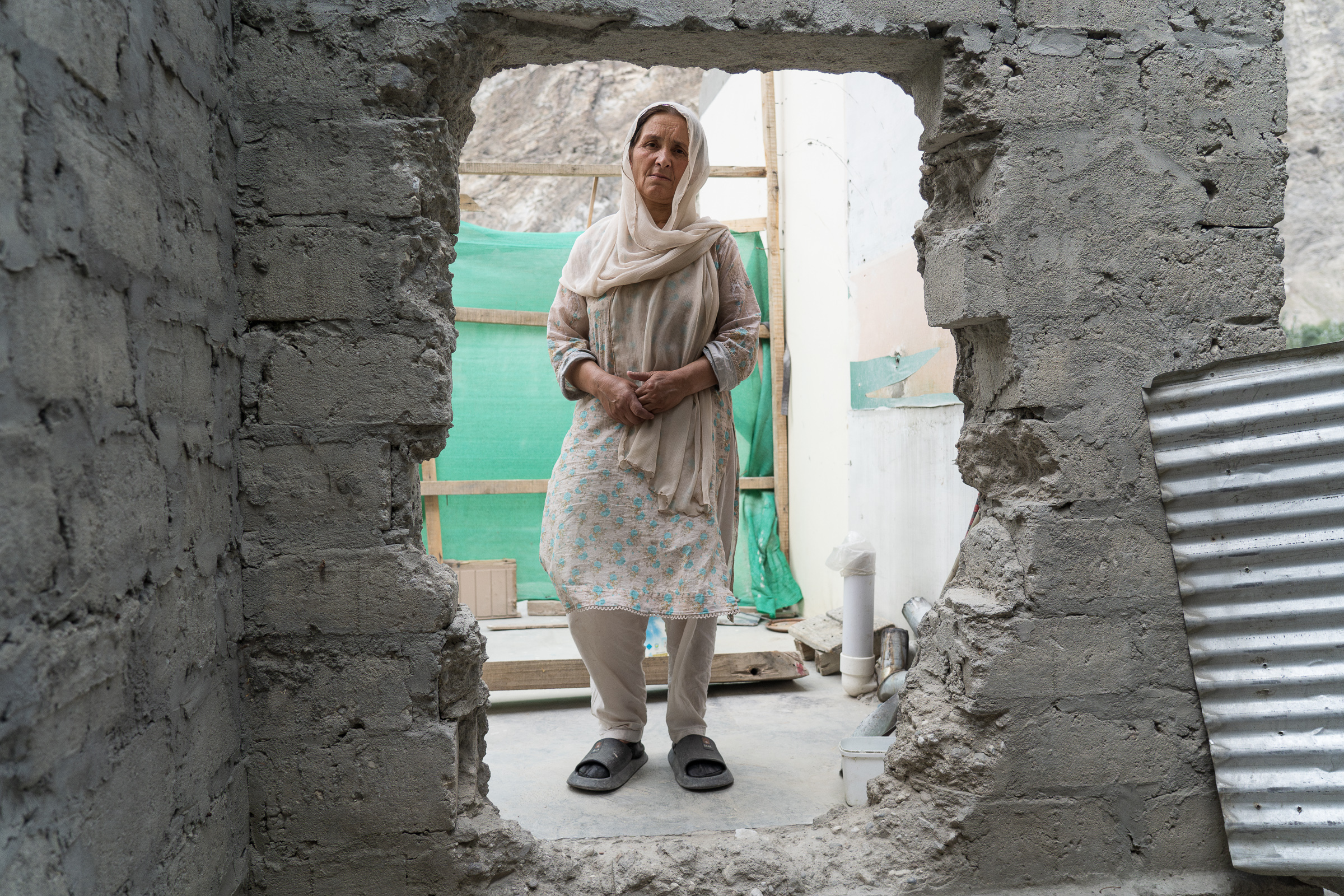
Bulbul Kaie remembers summers in Hassanabad when her family would sit by a cool stream fed by glacier melt, drinking tea and listening to the water’s sound. The village, located in the disputed region of Gilgit‑Baltistan, sits among orchards of apricots and cherries. Today, the same season brings dread, as Kaie, a mother of four, says she fears what each year will bring.
Glaciers, Climate Change, and New Flood Risks
Gilgit‑Baltistan holds more than thirteen thousand glaciers, one of the largest concentrations outside the polar zones. Warming in these mountains is outpacing the global average, causing faster ice melt and more erratic rain. Experts note that cloudbursts—intense, localized downpours—were virtually unknown here until recently, and now they can wipe out a village in an afternoon.
Recent Flood Season’s Devastation
Last year, Hassanabad was among dozens of villages hit by one of the region’s deadliest flood seasons in years. Hundreds of homes were destroyed or damaged, and many families lost half of their houses. Kaie’s home was split in two; she remains because she lacks resources to relocate, expressing worry for her children’s safety and mental health.
Living on the Edge of Disaster
Thousands of residents are still trying to rebuild. Some live in tents or in cracked houses that could collapse. Others have been moved onto bare government plots with no farmland and no clear way to earn a living. The next disaster feels ever‑present, with many fearing another flood season.
Minimal Emissions, Maximum Impact
Pakistan contributes about one percent of global greenhouse‑gas emissions, yet its remote mountain communities are among the most affected by extreme weather. Homes are being washed away, farmland is disappearing, and livelihoods are collapsing despite the country’s tiny share of the emissions driving climate change.
Personal Stories of Loss and Dependence
Behram Shah, a seventy‑six‑year‑old farmer, carries cherries from a tree outside his home in a woven basket. Over the past decade he has lost roughly nine acres to floods. He explains that the glaciers provide everything—from water for drinking to the basis of his livelihood—making the community completely dependent on them.
Each spring, before the melt, villagers once gathered at watercourses to pray for a steady flow and protection. Today, few make the journey, and Shah says the glaciers, once seen as the source of life, are now associated with destruction.
Recovery assistance remains limited, leaving families like Kaie’s and Shah’s to navigate a fragile future amid a changing climate.