Flow music collective brings climate‑focused album to COP31 in Turkey
A global roster of female musicians has released an album about water ahead of COP31, hoping art can deepen the climate conversation.
Background and purpose of the Flow project
After a UN official was moved to tears by a five‑woman performance on water at last year’s COP in Brazil, project manager Nikita Llerena was urged to “bring music into Cop.” What began as a small Zoom gathering of musicians has expanded into a full‑length album that unites female artists from Bangladesh, Canada, the UK, India, Brazil and other countries.
Llerena says the collective aims to move “beyond awareness” and to use art to reach “levels of human subjectivity that data alone cannot.” The group has secured a slot at Global Cultural Action’s opening ceremony at COP31 in Turkey, scheduled for 9‑20 November.
Artists, themes and production
The album’s central theme is water, reflecting heatwaves, wildfires in Europe and flash floods in Nepal. It is co‑produced by Grammy‑winning Jennifer Decilveo. Notable contributors include:
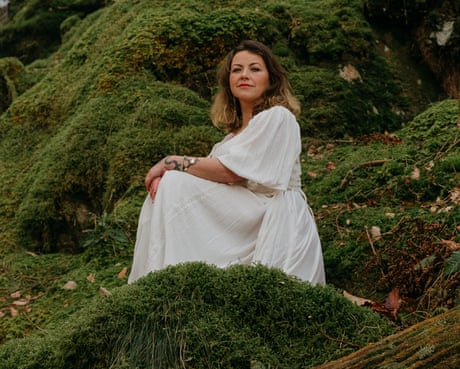
Charlotte Church – delivers “My Mother, the Ocean,” a track that shifts from a hypnotic ode to water into an electropop expression of mourning and rage.
Shingai of the Noisettes – sings in Shona, drawing on her Zimbabwean heritage to stress environmental conservation.
Maxine Peake – provides a spoken‑word finale about a woman defending her riverbank from corporate development.
Other participants – Maxine Peake, Nadine Shah and additional female musicians contribute verses and vocals that span continents.
Documentary component and Indigenous voices
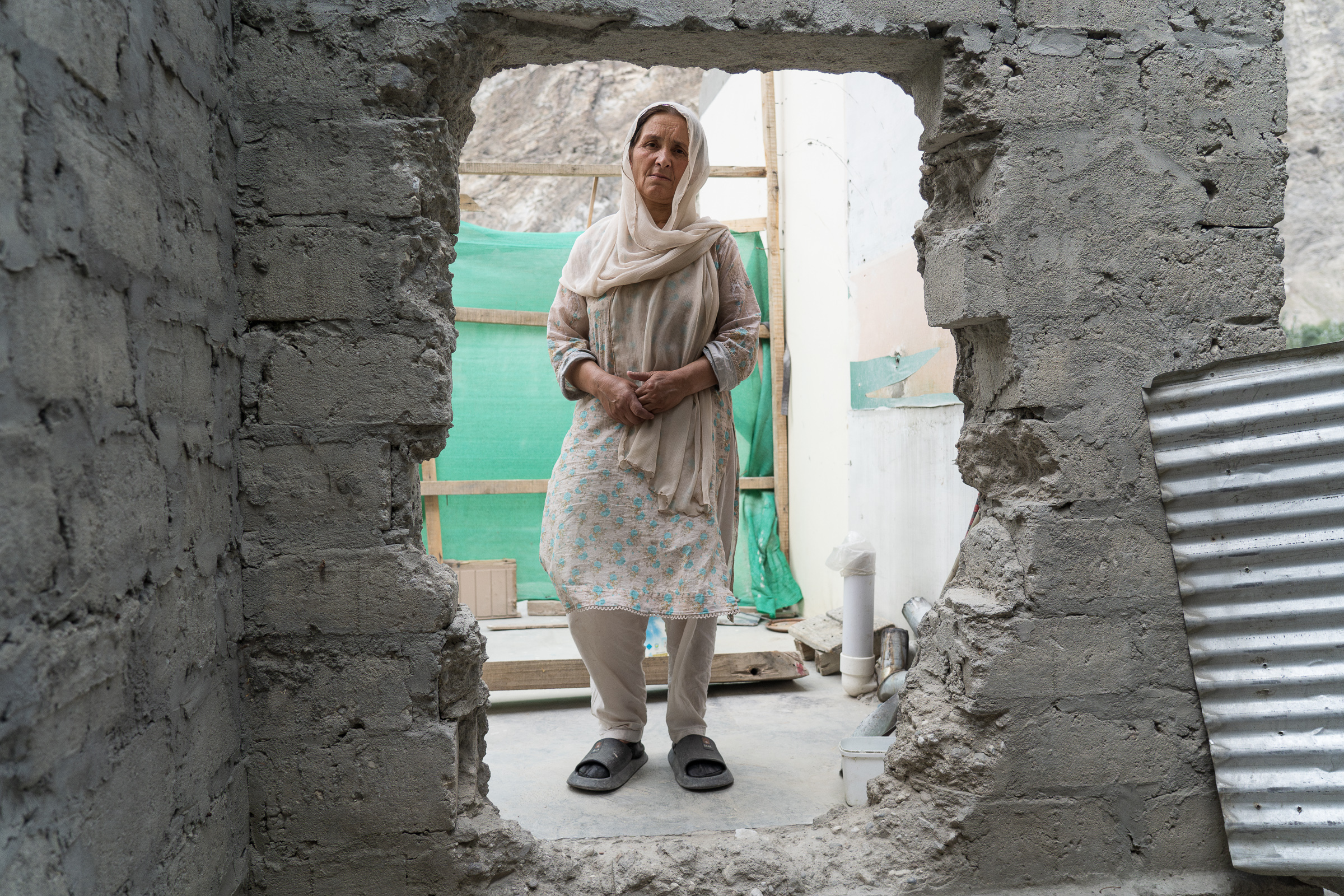
The album will also serve as the soundtrack for a documentary that follows women confronting climate impacts on the frontlines. One featured figure is Márcia Mura, an Indigenous teacher from the Brazilian Amazon.
Mura recounts drinking directly from the Madeira River as a child, then witnessing the river turn into “a state of war” due to severe floods, droughts, dams and pollution. Speaking through an interpreter, she stresses the Indigenous slogan “Nothing about us without us” and emphasizes that “Women in the Amazon are the defenders of the waters.” Mura helped create the Mura Collective, a network that links women across territories to share resources and protect local waterways.
Goals and expectations
Charlotte Church believes “music is the most powerful way to help people connect emotionally with what is happening,” noting the grief and existential fear tied to climate loss. Maxine Peake hopes the project will counteract “climate doomerism,” encouraging individuals to act, even in small ways: “If enough people throw enough pebbles into the sea, we can cause a tidal wave.”
Release details
The album, titled Flow, is scheduled for release on 5 November via EarthSonic, coinciding with the opening of COP31.