UK Exceeds £11.6bn Climate‑Finance Target, Yet Future Funding Set to Halve
Official data show the UK spent £12.8bn on climate aid since 2021, but a new three‑year plan will cut annual spending by about half.
Spending totals and the £11.6bn pledge
Official figures obtained through freedom‑of‑information requests show the United Kingdom has spent £12.8bn on climate‑related aid for developing countries from the 2021‑22 financial year through 2025‑26. This exceeds the government’s original commitment of £11.6bn for the same period, a target that forms part of the UK’s obligations under UN climate treaties.
The latest year, 2025‑26, recorded a record £4bn in climate finance, representing a ten‑fold increase over the 2011‑12 level when the UK first began reporting such spending. However, analysis by Carbon Brief indicates that the surplus over the target was achieved by reclassifying £2.2bn of existing foreign‑aid programmes as climate finance, rather than by additional outlays.
How the money was deployed
At least 493 distinct projects, funds or institutions received UK climate finance during the five‑year window. Examples include £45m for Ukraine to reduce fossil‑fuel dependence, £40m in cash transfers for drought‑affected Kenyan households, and £30m for flood‑resilience work in Nepal.
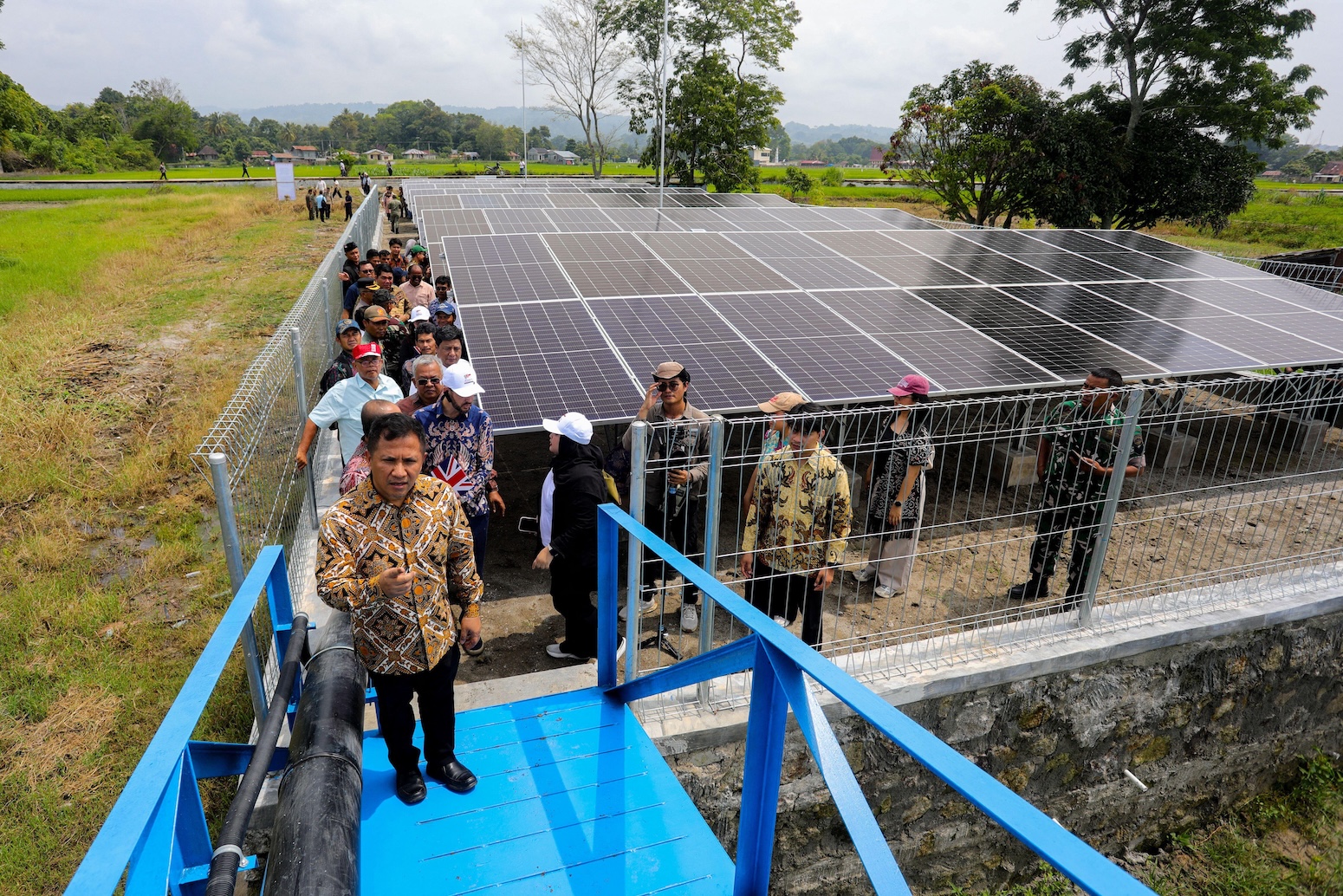
Larger multi‑country programmes aimed at “mobilising” private capital were also funded. The UK allocated £198m to a World Bank‑backed scheme for Colombia, Cambodia and other nations to create high‑integrity carbon offsets, and £229m to a consortium that uses foreign aid to attract private investment for projects such as a solar farm in Uganda and a sustainable‑aviation‑fuel initiative in Pakistan.
Transparency and reporting gaps
Campaigners and MPs have criticised the government for not publishing detailed, year‑by‑year climate‑finance data, even though the UK submits aggregated figures to the UN with a two‑year lag. The data released by Carbon Brief represents the most comprehensive public accounting of UK climate finance to date.
Future funding trajectory
In March 2026 the Labour government announced a new commitment of “around £6bn” of UK aid to be spent on climate finance over the next three years. Averaged across the period, this translates to roughly £2bn per year—about half the amount spent in 2025‑26.
In addition to the £6bn earmarked from the aid budget, the government pledged £6.7bn from non‑aid sources, including private‑sector investments, export credits and guarantees to development banks. These funds will be counted separately from the climate‑finance target, marking a shift in how the UK accounts for climate‑related spending.
Bilateral versus multilateral allocations
More than 80% of the climate finance was delivered through multilateral channels, supporting large funds or institutions that operate across multiple countries. The remaining £2.1bn (17%) was provided bilaterally, directly to specific nations.
Afghanistan emerged as the top bilateral recipient with £256m labelled as climate‑related aid, overtaking Ethiopia’s £226m. This surge reflects an accounting change that automatically classifies 30% of all humanitarian aid to Afghanistan as climate finance, rather than the launch of new climate projects. Similar reclassifications boosted figures for Somalia (£139m), Sudan (£136m) and Yemen (£130m).
In middle‑income countries, large allocations were geared toward private‑sector mobilisation, such as £83m for Brazil’s Amazon Fund carbon‑offset programme and £43m to encourage UK investment in low‑carbon infrastructure in India.
Key institutional beneficiaries
The Green Climate Fund received £1.5bn, the largest single contribution to any UN climate fund. British International Investment (BII), a publicly owned for‑profit entity that channels UK aid into private‑sector projects, was allocated almost £1.4bn. Both institutions have become central to the UK’s strategy of leveraging private capital for climate outcomes.