Pennsylvania Issues Permit That Expands Roadspreading of Oil and Gas Wastewater
A new DEP permit lets oil and gas firms reclassify wells to sell radioactive brine for road de‑icing, sparking alarm from experts and residents.
New Permit Broadens Wastewater Disposal Options for Oil and Gas Operators
The Pennsylvania Department of Environmental Protection quietly issued a permit in May that lets oil and gas companies reclassify conventional, non‑fracked wells as “mineral brine” wells. This reclassification permits the sale of radioactive wastewater as a product.
Under the permit, the brine can be spread on roadways to control dust and melt ice during winter. Any oil or gas produced from those wells may also be sold as waste.
Critics Call the Change “Ridiculous”
David Hess, a former DEP secretary who runs the PA Environment Digest blog, described the permit as “ridiculous on its face.”
Charlie Palladino, a policy advocate with Earthworks, said the brine “doesn’t do what it purports to do” for dust control. Resident Siri Lawson of Farmington Township in Warren County, who links her respiratory problems to oil and gas waste, said, “It seemed to make the dust worse.”
Scientific Findings Highlight Environmental Risks
Research from Penn State found that roadspreading releases roughly four times more radium into the surrounding environment than wastewater treatment facilities and 200 times more than isolated spills.
Hess added that the brine can damage paved roads, “turning them into something that looks like Swiss cheese.”
Background on Pennsylvania’s Wastewater Challenge
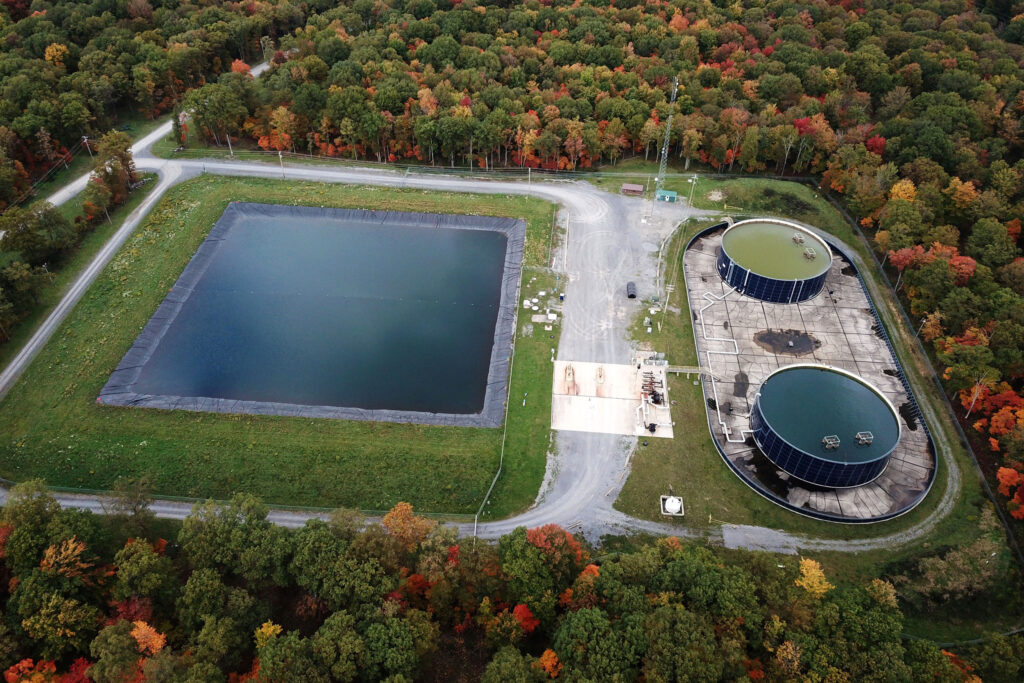
Pennsylvania ranks second only to Texas in natural gas production, generating millions of gallons of toxic wastewater each year. The waste, known as brine because of its high salt content, contains heavy metals and radioactive elements such as radium.
For decades, the practice of “roadspreading” has been used to de‑ice roads and reduce dust, spreading pollutants across the state.
Lawson filed an appeal with the state’s Environmental Hearing Board in 2018, challenging the practice.