New “Yerevan Pathway” Plan Targets Funding Gap in Global Biodiversity Efforts
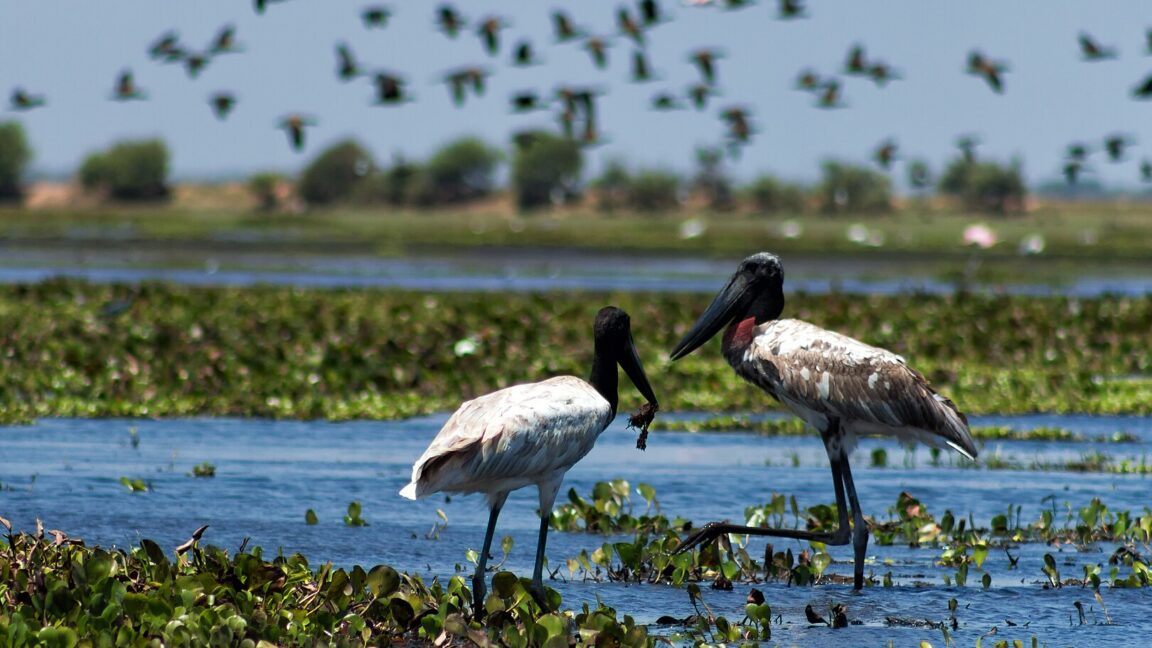
Leaders at the UN biodiversity summit in Yerevan adopted a plan to accelerate 2030 nature goals, but financing remains far short of what is needed.
Global biodiversity financing is lagging behind the ambition of the 2022 Kunming‑Montreal Framework, prompting a new action plan to close the gap.
Yerevan Summit Highlights
Representatives from nearly 200 nations gathered in Yerevan, Armenia, for a two‑week UN biodiversity summit. The final overnight session produced the “Yerevan Pathway,” a plan to accelerate progress toward the 2030 goal of protecting roughly one‑third of the planet’s land and seas.
The COP17 biodiversity talks concluded with a consensus that current conservation actions are too slow to meet the targets set by the Kunming‑Montreal Global Biodiversity Framework.
Key Elements of the Yerevan Pathway
The pathway calls for:
Redoubling efforts to eliminate subsidies and incentives that damage nature.
Boosting financial, scientific and technical assistance for developing countries.
Strengthening monitoring and reporting mechanisms for biodiversity outcomes.
Financing Shortfalls Highlighted
Former Canadian environment minister Steven Guilbeault warned that finance remains “one of the biggest obstacles” to achieving global biodiversity goals. He noted the disappointment that a fund for companies profiting from genetic materials, agreed at the previous meeting, remains largely empty.
Guilbeault urged the mobilization of substantially more public and private finance, reform of harmful subsidies, and direct funding to frontline countries and communities.
Calls for Greater Investment
Catherine Weller, global policy director of Fauna & Flora, described the Yerevan agreement as welcome but emphasized that funding falls far short of the pledge embedded in the 2022 deal. She argued that “in a world of trillionaires, we can certainly afford to spend $200 billion a year on protecting and restoring the very thing keeping us all alive: nature.”
New Financial Commitments
Conference organizers reported close to $2 billion in fresh financial pledges linked to the summit. The Netherlands announced a $500 million contribution to the Tropical Forest Forever Facility, a Brazilian program that pays countries to keep their forests standing. The Dutch pledge was made in parliament the day after Brazilian President Luiz Inácio Lula da Silva’s re‑election.
Brazil’s national secretary for bioeconomy, Carina Pimenta, highlighted Lula’s record on Amazon protection and said the Yerevan Declaration sends a “powerful message” that biodiversity is essential for food security, livelihoods and economic resilience.
Optimism Amid Funding Decline
Brian O’Donnell, director of the Campaign for Nature, pointed to the growing number of national biodiversity plans and the new Brazilian fund pledge as “reasons for cautious optimism.”
Nevertheless, international funding for protected and conserved areas has dropped, with a 27 percent decline projected for the 2026‑30 period due to disruptions from war and high energy prices.
The Yerevan Pathway marks a pivotal step, but without a massive infusion of resources, the 2030 nature targets remain at risk.