Hurricane Isaias Forces Evacuation of Pensacola Domestic Violence Shelter, Highlighting Climate Risks for Vulnerable Populations
A Category 2 hurricane forced FavorHouse of Northwest Florida to evacuate 15 women and 12 children, exposing how extreme weather can disrupt critical support services.
Evacuation and Immediate Response
When the forecast for Hurricane Isaias steadied toward the Florida Panhandle on a Wednesday afternoon in October, Tracie Hodson, director of FavorHouse of Northwest Florida in Pensacola, ordered the shelter’s evacuation.
By the following day, staff had moved 15 women and 12 children to safer locations. Some families traveled north within Escambia County to avoid storm surge, while employees drove one family and an individual to a sister shelter in Panama City, three hours east. A woman without alternative housing and her child were placed in a general community shelter.
After the relocations, staff returned home and awaited further developments.
Impact of Hurricane Isaias
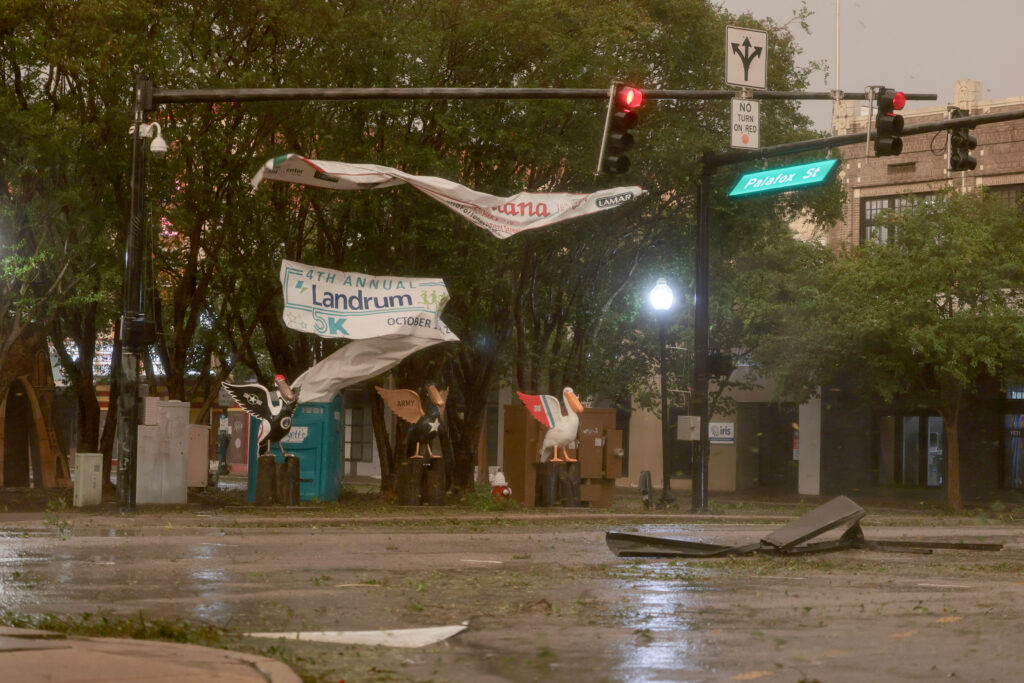
Hurricane Isaias made landfall near Destin at 8:30 p.m. on Friday, Oct. 9, as a Category 2 storm with sustained winds of 105 mph. The storm caused at least four deaths, two of them in Florida.
On Saturday morning, FavorHouse’s shelter manager inspected the property. The structures remained standing, but a fallen tree crossed the privacy fence and clipped the shelter’s back corner, pulling the soffit loose. The on‑site generator failed about 18 hours into the power outage, resulting in spoiled food in four freezers and two refrigerators.
Extended Closure and Service Disruption
The shelter remained closed for the next 19 days. During the outage, FavorHouse’s outreach office relied on internet‑based phones; when power and connectivity were lost, the hotline ceased operation. Crisis calls were redirected to Florida’s statewide domestic‑violence hotline, answered by Women in Distress of Broward County, located on the opposite side of the state.
Hodson noted that the shelter had been unable to provide “services that [were] desperately needed by our community members” for a full week.
Regional Shelter Capacity and Travel Burdens
The Florida Panhandle hosts three certified domestic‑violence shelters. While FavorHouse was closed, the nearest alternative was Shelter House in Fort Walton Beach, approximately 45 miles east, a drive Hodson estimated at one and a half to two hours in the storm’s aftermath. The next closest shelter was in Panama City, roughly 140 miles away.
Broader Implications
The situation in Pensacola illustrates a concern among researchers that climate change is creating conditions that can intensify domestic violence while simultaneously weakening the support systems survivors rely on.
As extreme weather events become more frequent, the limited shelter infrastructure in vulnerable regions may face heightened strain, leaving survivors with fewer safe options.
Ensuring resilient support networks for at‑risk populations will be essential as climate‑related disasters grow more common.