Crown‑of‑Thorns Starfish May Play a Surprising Role in Reef Health
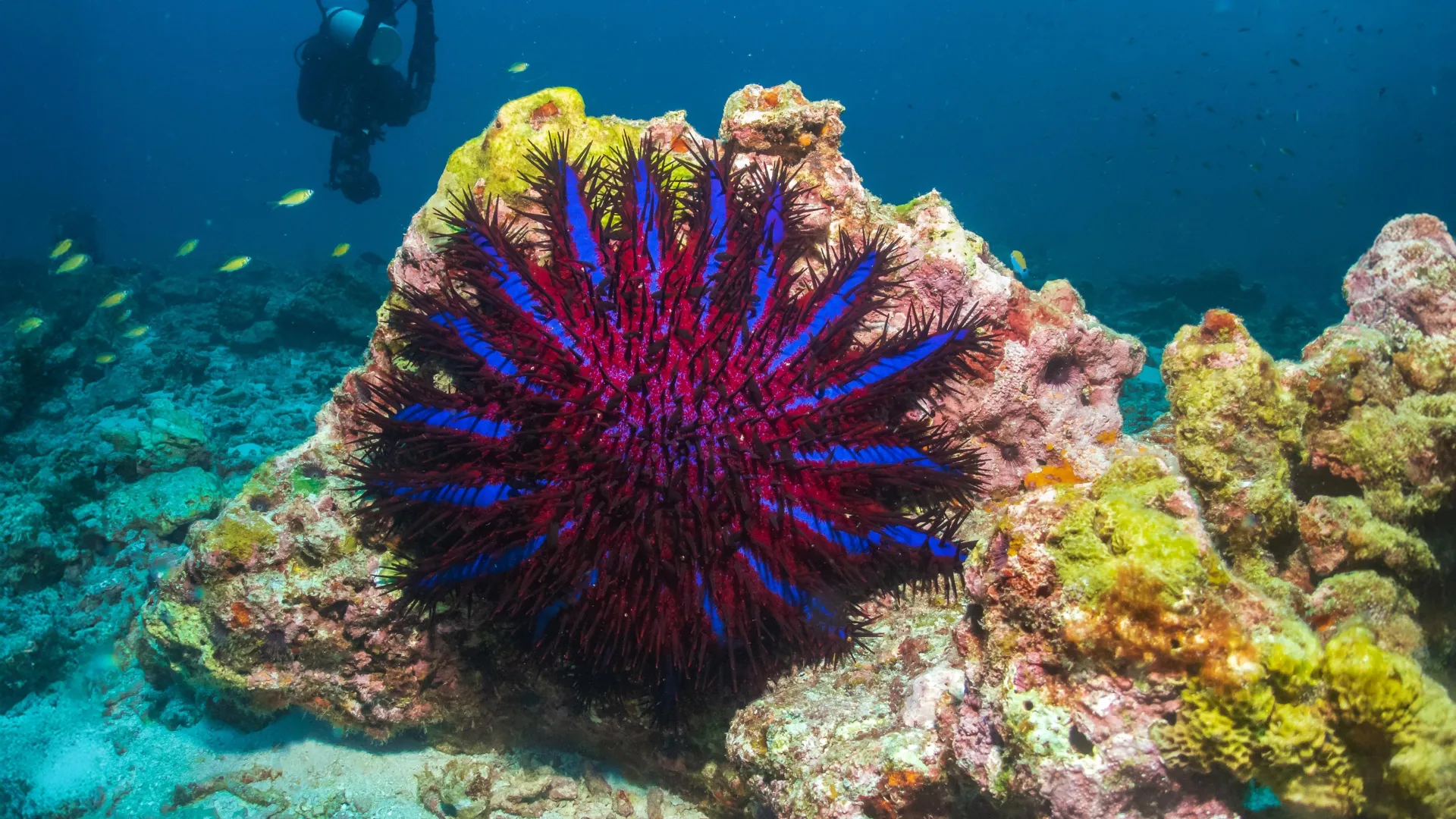
New University of Sydney research suggests low‑density crown‑of‑thorns starfish can actually foster coral diversity.
Crown‑of‑thorns starfish (COTS) have long been feared for their coral‑eating habits, but a study from the University of Sydney reveals they might also contribute to reef resilience when kept in check.
Published in Ecology and Evolution, the research examined feeding scars and surviving tissue at the One Tree Island Research Station on the Great Barrier Reef. The sites lie within protected zones where healthy fish populations curb starfish numbers, contrasting with areas that suffer massive outbreaks.
Lead author Dr. Shawna Foo, a Horizon Fellow at the university’s School of Life and Environmental Sciences, reported that living coral tissue persisted in nearly 75 percent of observed feeding events. “At One Tree Reef, COTS appear to consume a relatively consistent amount of coral during each meal and move on, rather than demolishing the entire coral colony,” she said, noting that “live coral tissue remnants were frequently left behind.”
The team observed that the starfish tended to bite fast‑growing Acroporidae corals, which did not regenerate over the damaged patches. In contrast, slower‑growing Montipora and Porites species showed regrowth, suggesting that the starfish’s selective feeding creates openings for these less competitive corals.
By feeding on fast‑growing corals such as Acropora, low‑density COTS create space for slower‑growing coral species to persist, helping to increase coral diversity, Dr. Foo explained. This dynamic may prevent dominant species from monopolising reef space, thereby supporting broader biodiversity.
Since the 1960s, the Great Barrier Reef has endured four major COTS outbreaks roughly every 15 years, exacerbated by declines in natural predators like tritons and certain reef fish. The new findings imply that outright eradication of the starfish could disrupt a subtle ecological balance.
When starfish numbers stay low, they may act less as villains and more as unlikely custodians of coral variety.