Woman’s Pancreatic Cancer Remission Sparks Hope for mRNA Vaccine Therapy
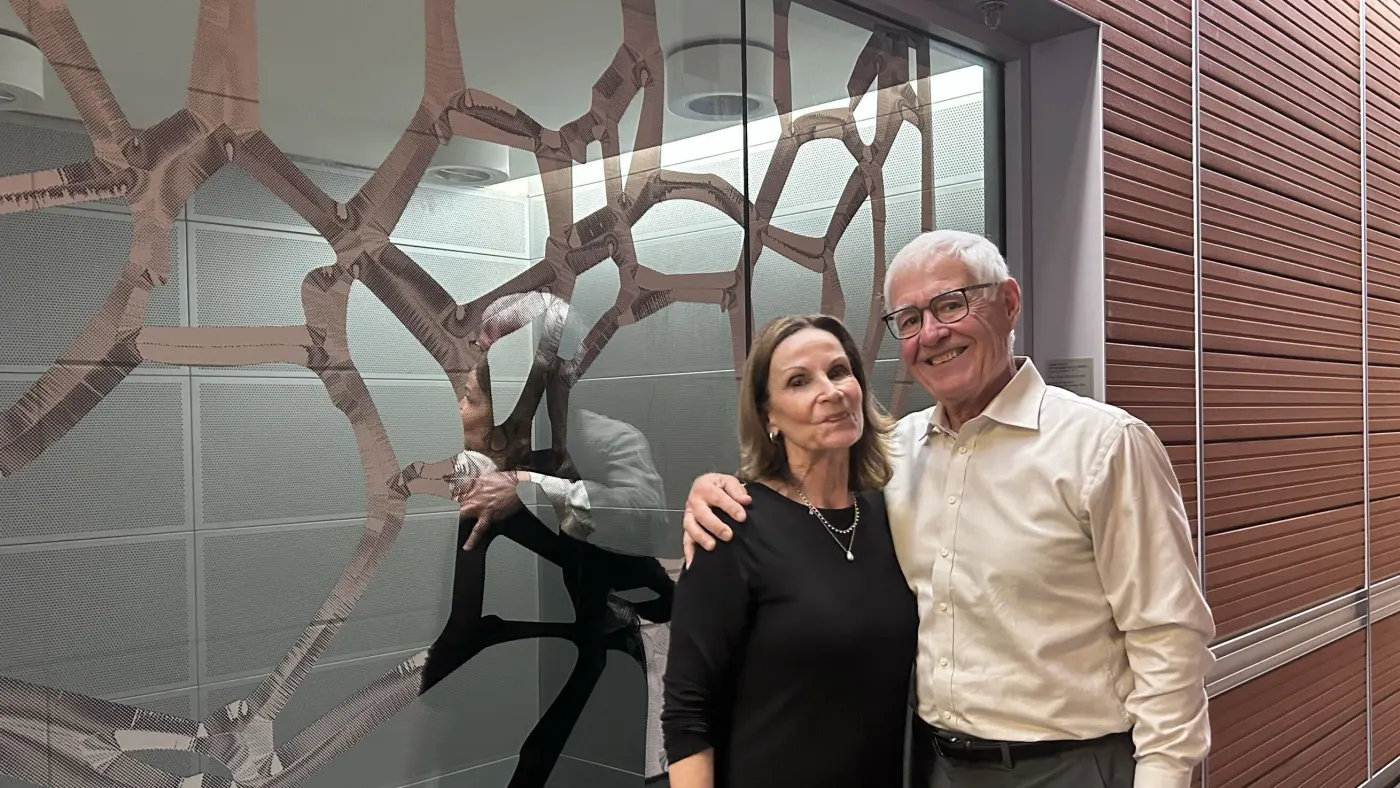
Donna Gustafson, the first patient to receive an mRNA vaccine for pancreatic cancer, reports no evidence of disease seven years later.
Personal Triumph Over a Lethal Diagnosis
At 72, retired accountant Donna Gustafson lives an active life that includes hiking, traveling, and weight‑lifting, while showing no evidence of the Stage II pancreatic cancer that once threatened her survival. “I have had 100% quality of life; I am back to where I was prior,” she says, a sentiment echoed by her husband Ed Gustafson, who adds that she is “sassier” and in “the best shape of her life.”
First‑in‑Human mRNA Cancer Vaccine
Seven years ago, Gustafson became the world’s first recipient of an mRNA vaccine designed to treat pancreatic cancer. The vaccine was personalized: scientists used samples of her tumor to craft mRNA that would train her immune system to recognize and destroy cells bearing the tumor’s mutant proteins.
Trial Context and Outcomes
Gustafson participated in a clinical trial at Memorial Sloan Kettering Cancer Center that enrolled 16 pancreatic‑cancer patients. She received nine vaccine doses alongside surgery and chemotherapy. According to the trial data, the vaccine “worked on half of the patients,” and of those eight responders, “seven of those eight are still alive today.”
Comparing Vaccine Experience to Chemotherapy
Ed Gustafson describes chemotherapy as “barbaric,” noting the lengthy infusions and harsh after‑effects. By contrast, Donna reports that the vaccine shots felt “like nothing,” with “no symptoms, no side effects — to the point where I was actually worried that maybe it was not helping.”
Broader Momentum in mRNA Cancer Research
The past year has seen notable progress for mRNA cancer vaccines. Companies Merck and Moderna released results from a major trial of an mRNA vaccine for skin cancer, showing a 42% reduction in recurrence and death over two years. Researchers are now applying a blend of mRNA, genomics, and artificial intelligence to target lung, kidney, bladder, and brain cancers. Yet, they acknowledge that researchers don’t yet understand why some trials have failed, while others show eye‑popping results.
Behind the Science
Surgeon‑scientist Vinod Balachandran leads the trial. His lab, described as a hallway of freezers, desks, centrifuges and cytometers, measures patients’ immune responses, tracking how often immune cells replicate. The effort reflects a broader push to decode pancreatic cancer and reverse‑engineer the necessary mRNA.
Personal Motivation
Gustafson, who splits her time between New Jersey and Florida, says she was not afraid to be the first to try this approach. She credits her three grown daughters for locating the trial and calls participation “a no‑brainer,” noting that “statistically, the odds of my survival were low, and I was very happy to be offered some type of hope.”
While her story offers a compelling glimpse of what mRNA vaccines might achieve, the scientific community remains cautious, emphasizing that broader validation is needed before such treatments can be considered widely effective.