Nintendo Should Remake the Metroid Prime Trilogy to Reclaim Its Sci‑Fi Shooter Edge
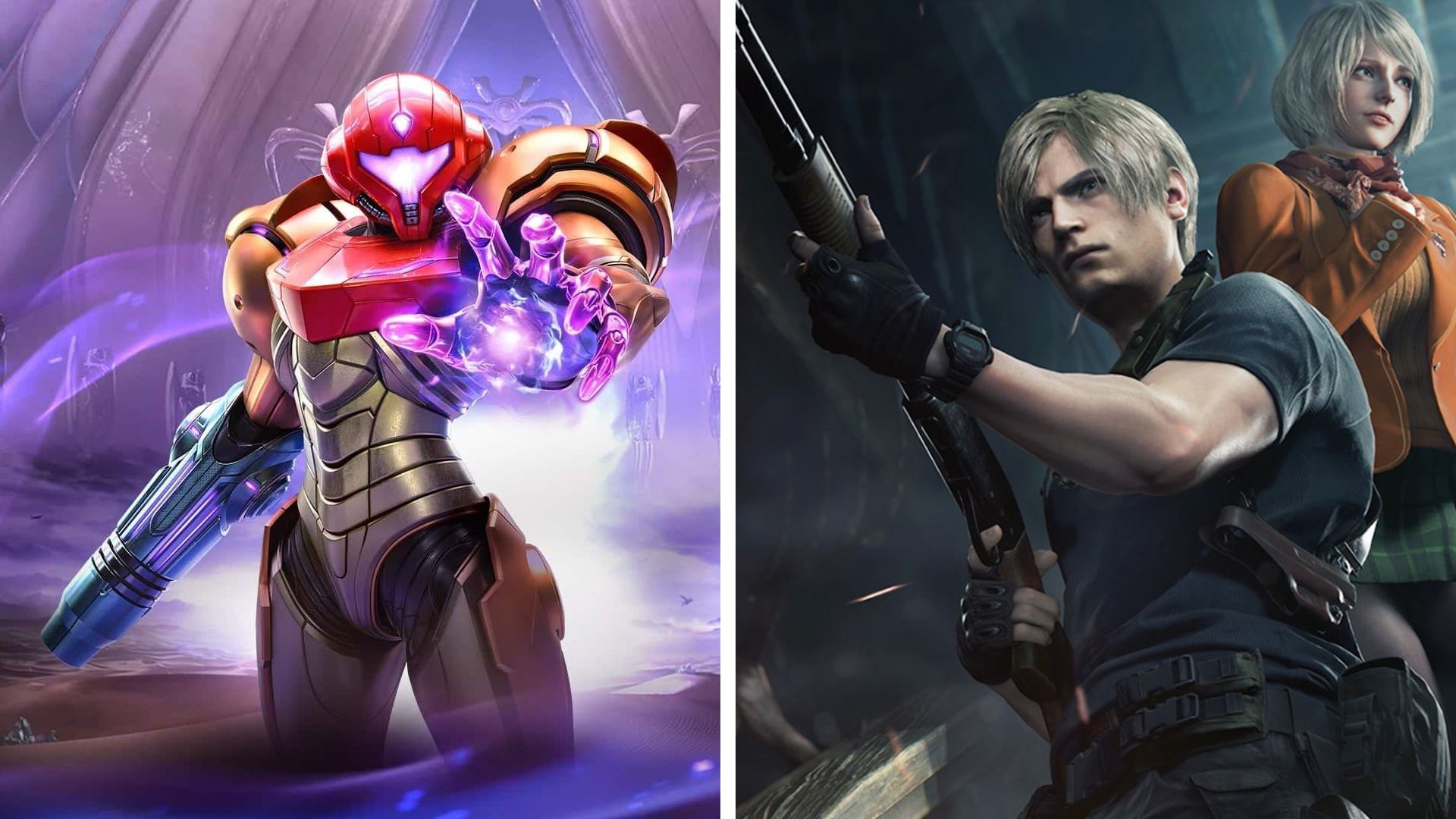
Metroid Prime 4: Beyond disappointed fans, prompting a call for full‑scale remakes of the original Prime titles.
Metroid Prime 4: Beyond’s lukewarm debut
When Metroid Prime 4: Beyond finally launched on Nintendo Switch consoles in 2025, it did not deliver the revival many had anticipated after five years of development at Retro Studios, the original creators of the Prime series. Players were met with “annoying side characters,” a bike for Samus to traverse the barren landscape, and an ending described as “deeply unsatisfying.” The title’s average reception left fans questioning the series’ future.
Why the original Prime games have never been revived on Switch
Despite the beloved status of the Metroid Prime series since its 2002 GameCube debut, neither Metroid Prime 2 nor Metroid Prime 3 have appeared on the Switch—neither via Nintendo Online nor as remasters. The recent release of a Zelda remake for Switch 2 has sparked the suggestion that Nintendo should apply a similar strategy to the Prime trilogy.
Learning from Capcom’s Resident Evil revivals
Capcom’s 2002 Resident Evil remake and the later successes of Resident Evil 2 and 4 demonstrate how a classic can be modernized while preserving its core atmosphere. The article notes that recent titles such as Resident Evil: Veronica aim to evoke the feeling of the originals with contemporary upgrades. The author argues that Metroid Prime 4 felt “like a GameCube game” and suggests Nintendo adopt Capcom’s “recapturing the vibes” mindset for a Metroid Prime Trilogy Remake, using the Prime 4 engine as a foundation.
Potential benefits of a Prime‑engine remake
Metroid Prime Remastered in 2023 already showcased improved textures and widescreen support. A full remake powered by the Prime 4 engine could illuminate Tallon IV with fresh graphics, enhanced sound, and HD Rumble 2 support, making familiar locations feel “fresh.” The piece even proposes beginning the reimagining at the end of Zero Mission—just before Prime—allowing players to control a fully‑able Samus, confront Mother Brain in a new 3D area, and then pilot her ship to the Orpheron vessel where Prime begins.
Reviving and expanding multiplayer
The original Metroid Prime 2 featured a multiplayer component that allowed up to four players to compete in Deathmatch or Bounty Mode across four arenas, with two additional maps unlockable through single‑player progress. Prime 4: Beyond omitted this mode, a “big miss” according to the author. A remake could restore the classic multiplayer and introduce new modes, co‑op campaign play, and a horde mode, leveraging Switch 2 features such as Game Chat.
Metroid’s precarious position in 2026
As of 2026, the Metroid franchise appears “adrift,” with Prime 4: Beyond described as a “mediocre entry” that risks being “lost to the sands of time.” The latest Nintendo Direct highlighted other franchises while Samus was absent, heightening concerns after a drought of Metroid releases in the 2010s. The article draws a parallel to Capcom’s post‑Resident Evil 6 slump, noting how the seventh entry and the 2019 Resident Evil 2 remake revitalized that series. It warns that without a focus on iconic elements—potentially delivered through modern remakes—Metroid could fade while competitors concentrate on flagship properties.
What fans would like to see
Beyond a trilogy remake, the author mentions easy wins such as adding Metroid Prime 2 to Nintendo Online and delivering more 2D entries after Metroid Dread. However, the piece emphasizes that “nothing hits like Prime,” and without a successful revival, Samus may end up “riding her Vi‑O‑La into the sunset” in a barren wasteland for the foreseeable future.