Nintendo scrapped fast travel in Ocarina of Time remake after testing it
Series producer Eiji Aonuma says warp points were removed to preserve the game’s sense of discovery.
Fast travel was considered, then rejected
In a recent Ask The Developer post, longtime series producer Eiji Aonuma revealed that the team originally planned to add warp points to the upcoming The Legend of Zelda: Ocarina of Time remake for the new Nintendo Switch.
Aonuma explained that he wanted to give players a way to move around Hyrule without “spamming rolls” that can make Link “violently ill.” He likened the idea to the many warp points in Breath of the Wild, which let players traverse a vast world quickly.
However, after playing the game with the new shortcuts, the team realized the fast‑travel system was missing out on the moments of discovery that came from stopping along the way and wondering, ‘Wait, what’s this?’
Consequently, Aonuma had the warp points removed, concluding that they “just weren’t working” for the experience he wanted to preserve.
Why the original’s pacing matters
Aonuma noted that in the original Ocarina of Time, players could “get around a bit faster by spamming forward roll,” but that many still spent time rolling across Hyrule Field when they needed to hurry.
He argued that the remake’s design benefits from keeping that slower, exploratory travel, as it reinforces the game’s core structure and encourages players to notice distant oddities and work toward them.
Remake’s visual direction
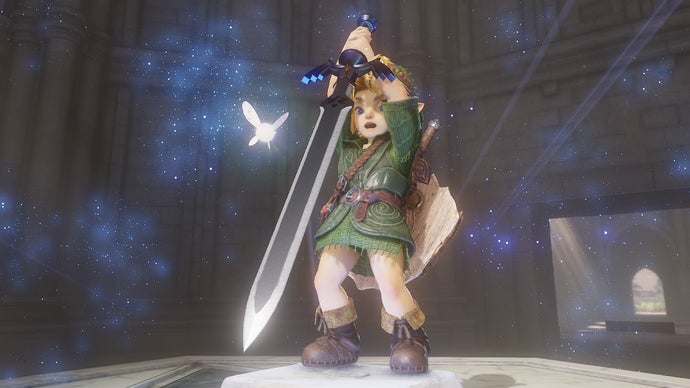
Art director Aya Shida described the remake’s aesthetic as inspired by “a puppet‑show feel” and “the analog feel of practical effects films.” She said both approaches create a convincing sense that characters exist within their fantasy world, even though they do not reproduce reality exactly.
Release details
The remake is slated for release on November 5. Early impressions from hands‑on testing suggest it is shaping up to be a “brilliant remake,” according to a previewer named Lottie.
With the fast‑travel feature removed, the game promises to retain the original’s discovery‑driven gameplay while offering modern polish and a fresh visual style.