New Study Shows Melting and Fragmentation Drive Meteorite Survival
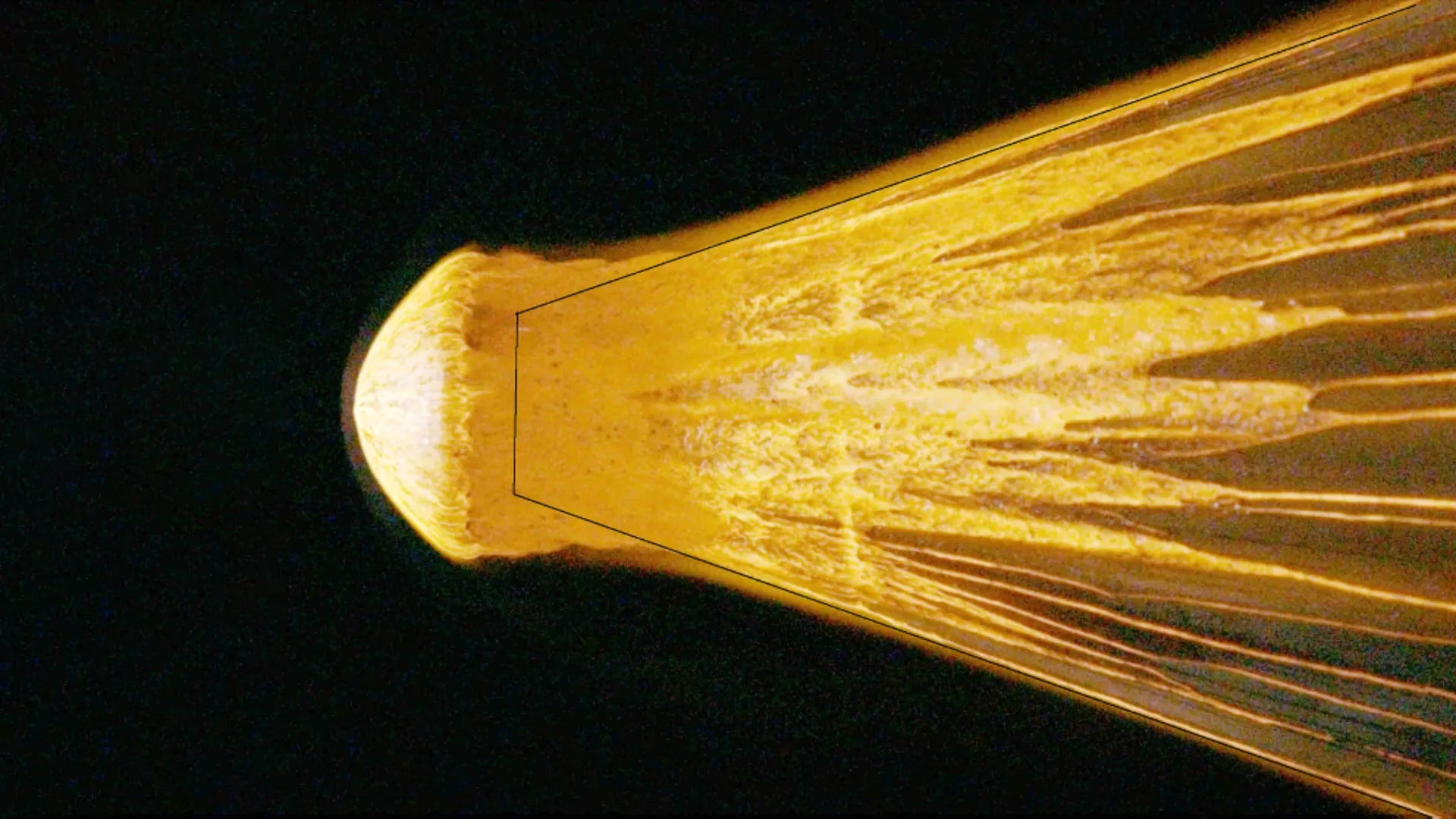
Researchers dissected 75 fireball recordings and identified seven atmospheric phases that dictate how space rocks turn into meteorites.
From Shock Wave to Shooting Star
In the highest atmospheric layer examined, incoming rocks generate a shock wave that heats both the meteoroid surface and surrounding gas, producing the familiar streak of light known as a meteor.
Brightening and Spin
As the object descends into denser air, its luminosity intensifies. Some fireballs exhibit periodic brightness changes that betray rapid rotation; the fastest observed rotations completed a turn in 0.5 to 5 seconds.
Phase 3: Melting Takes Over
When the meteor becomes a fireball, melting dominates mass loss. Airflow strips molten material, forming droplets that continue to evaporate after separating from the main body.
“In the laboratory, we cannot generate the amount of radiation that occurs in a natural atmospheric entry at those speeds,” noted Eric Stern, formerly of NASA Ames and now chief scientist at Hyperspace Technologies, Inc. “Rock could aggressively fragment and erode instead, but then we would not expect the observed systematics in how fireballs brighten.”
Phase 4: Stable Melting at ~60 km
At roughly 60 kilometers altitude, melting reaches a steady state; the fireball’s brightness either holds steady or rises uniformly. The researchers estimate that melting alone can strip as much as 40 % of the original mass.
Phase 5: Early Fragmentation
Increasing air pressure soon fractures the rock, producing bursts of light as pieces break away. Surprisingly, breakup begins when pressure on the leading surface is only about one‑fifth of the strength measured in recovered meteorites, suggesting that entry heating and pre‑existing cracks weaken the rock.
Deceleration Linked to Fragmentation
During this stage the remaining mass shrinks rapidly and decelerates sharply. The more extensively the meteoroid fragments, the faster it loses speed. Co‑author Stu Pilorz of the SETI Institute explained that this slowdown aligns with earlier mathematical descriptions based on ablation.
Implications for Meteorite Recovery
By mapping the seven distinct phases—shock wave formation, brightening, melting, stable melting, early fragmentation, rapid deceleration, and final descent—the study provides a clearer framework for predicting where fragments will land after a fireball event.