Is Rustproofing Still Worth the Investment in Modern Cars?
Modern corrosion‑resistant designs have changed the rust‑proofing game, but regional conditions still matter.
Why Rustproofing Was a No‑Brainer
In the past, treating a car’s underside was almost mandatory if you wanted the vehicle to survive harsh winters.
It seemed like a simple, cheap insurance policy against rust.
What Modern Cars Have Already Got
Today’s manufacturers use galvanized steel, corrosion‑resistant alloys, protective primers, seam sealers, and factory‑applied coatings on vulnerable spots.
Designs now incorporate drainage paths and corrosion‑resistant body structures to keep water and grime at bay.
However, the level of protection differs by make, model, and production year, and components such as suspension parts, subframes, brake lines, and fasteners can still rust even when the paint looks flawless.
When the Environment Still Calls for Extra Care
Road salt and brine used in snowy regions accelerate corrosion on metal surfaces that remain wet.
Salt can linger under the car, around suspension mounts, inside wheel arches, and along seams where dirt builds up.
Coastal air adds a year‑round salty moisture that poses a similar threat.
Short trips that don’t allow the vehicle to dry fully, as well as mud and grime trapped under the chassis, can worsen the problem.
Conversely, drivers in dry climates with little road salt exposure may find little justification for additional rustproofing.
Choosing the Right Aftermarket Treatment
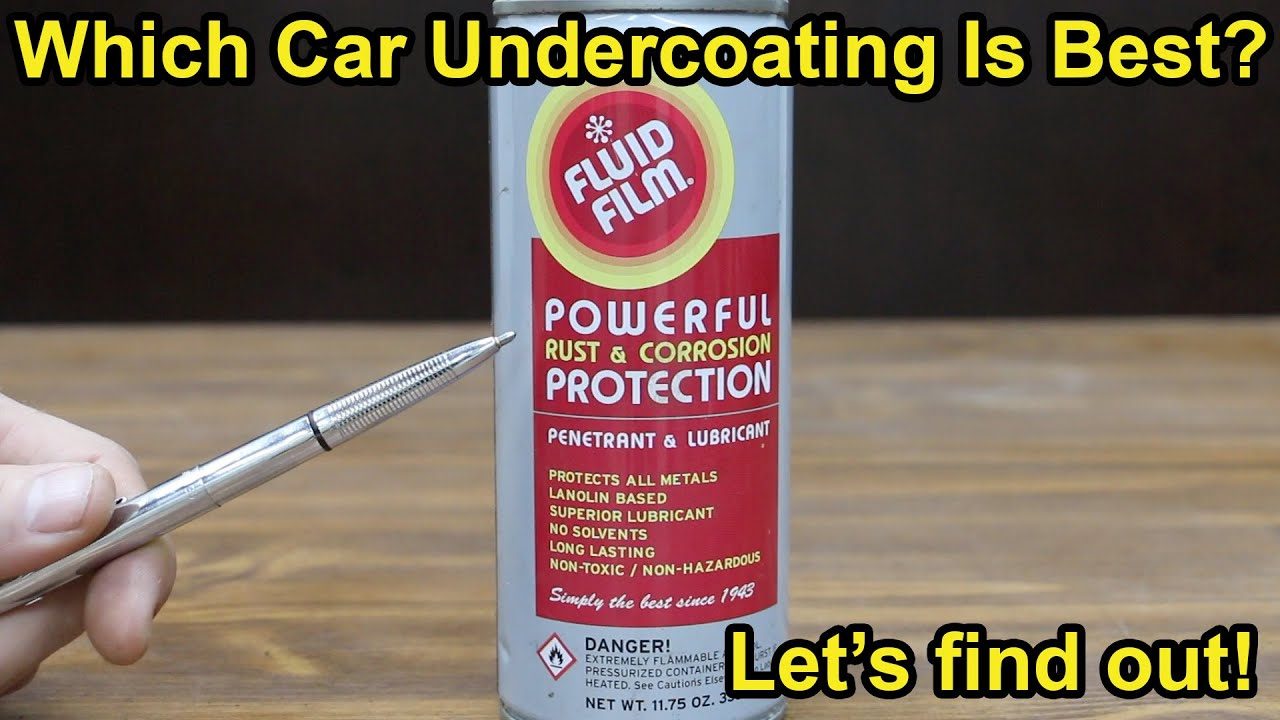
Aftermarket options range from durable coating formulas that sit over exposed metal to oil‑based or wax‑like products that displace moisture in seams and cavities.
Electronic “rustproofing” devices are marketed, but their real‑world effectiveness on ordinary cars remains unproven compared with properly applied physical coatings.
Pick a product that matches your car’s condition and the climate you drive in.
What to Ask Before You Book
Which product will be used?
Which specific parts of the vehicle will be covered?
How will the car be prepared before application?
Is periodic reapplication required?
Could the treatment affect the manufacturer’s warranty or future inspections?
A professional application can protect vulnerable areas, but it cannot reverse existing structural corrosion or fix poor original manufacturing.
Bottom Line
Modern cars start out better protected than older ones, yet harsh climates and long‑term ownership still make rust a genuine concern.
For drivers regularly exposed to salted roads, coastal moisture, or who plan to keep their vehicle for many years, an aftermarket rustproofing treatment can provide meaningful peace of mind—provided you choose the right product and understand its limits.