Family’s Fight Highlights Gene Therapy Work on Rare Sanfilippo Syndrome
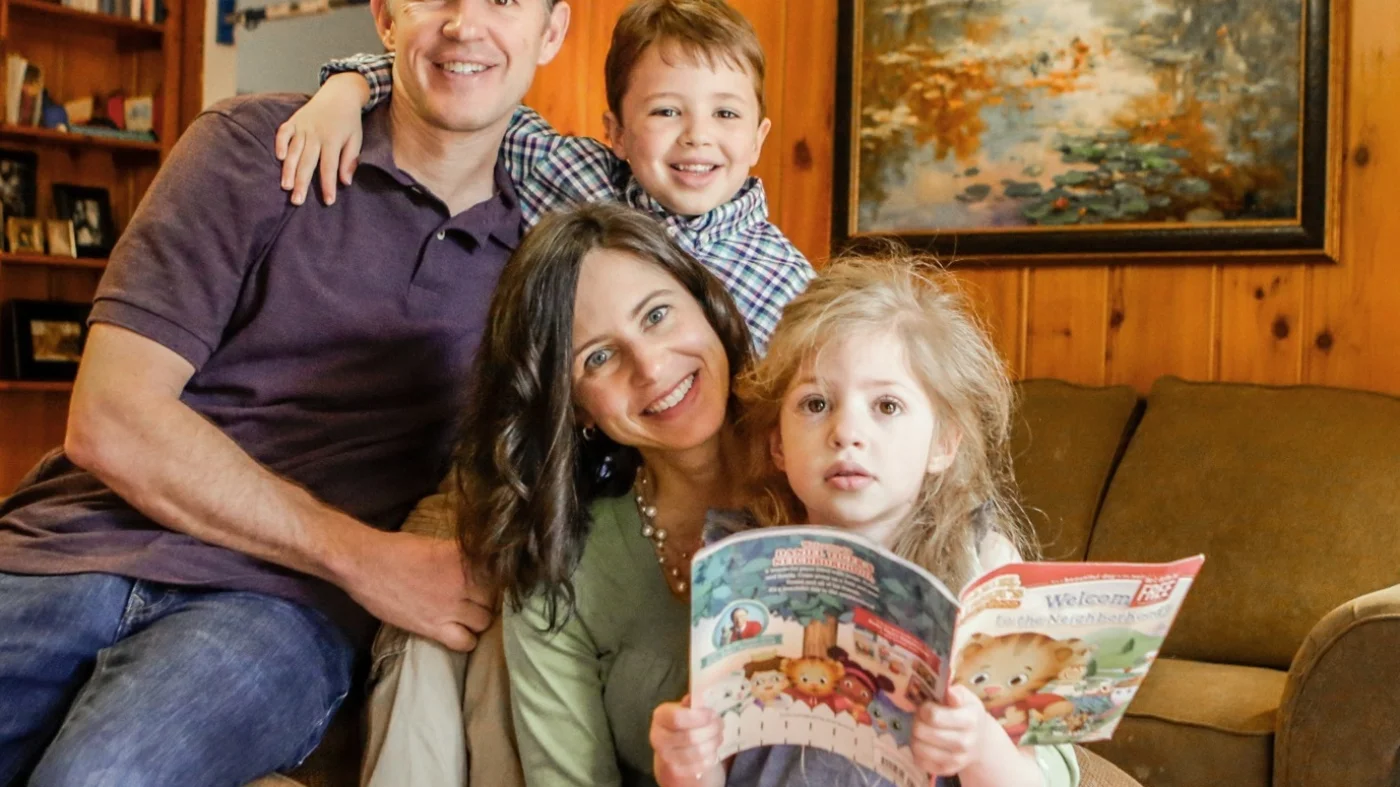
A South Carolina family’s diagnosis spurred a look at a decades‑old gene‑therapy experiment for Sanfilippo syndrome.
Glenn, Cara and Eliza O'Neill posed for a family photo in 2015; Eliza, the youngest, has Sanfilippo syndrome, a rare inherited disease.
Eliza’s mother, Cara O'Neill, a pediatrician in Columbia, S.C., recalls her daughter’s early habit of “clopping around” in high‑heeled shoes. By age three, the family noticed a lag in developmental milestones and a pragmatic speech delay, prompting a colleague to suggest metabolic testing.
The tests returned positive for Sanfilippo syndrome. “When they said the word, it all kind of came rushing back,” Cara said, describing the diagnosis as a bale of dread.
Sanfilippo syndrome is caused by a defective gene that blocks the breakdown of heparan sulfate, a molecule essential for normal cell function. Accumulation of this substance leads to loss of speech and mobility, seizures, and a life expectancy that rarely extends beyond the teenage years, according to the Cure Sanfilippo Foundation.
Eliza’s father, Glenn O'Neill, said the reality of rapid degeneration didn’t really sink in until he got home, prompting the family to act “now.”
At Nationwide Children’s Hospital in Columbus, Ohio, researcher Haiyan Fu has been developing a gene‑therapy strategy for Sanfilpo syndrome since the late 1990s. The approach uses a modified virus to deliver a functional copy of the missing gene to cells, a technique that has shown promise in mouse models.
The O'Neills’ experience underscores the personal urgency that can accompany rare‑disease research, while the ongoing work at Nationwide Children’s represents a long‑standing scientific effort to address the genetic root of the disorder.