Critical Role’s New Warlock Variant Pushes a Popular D&D Class Toward “Broken” Status
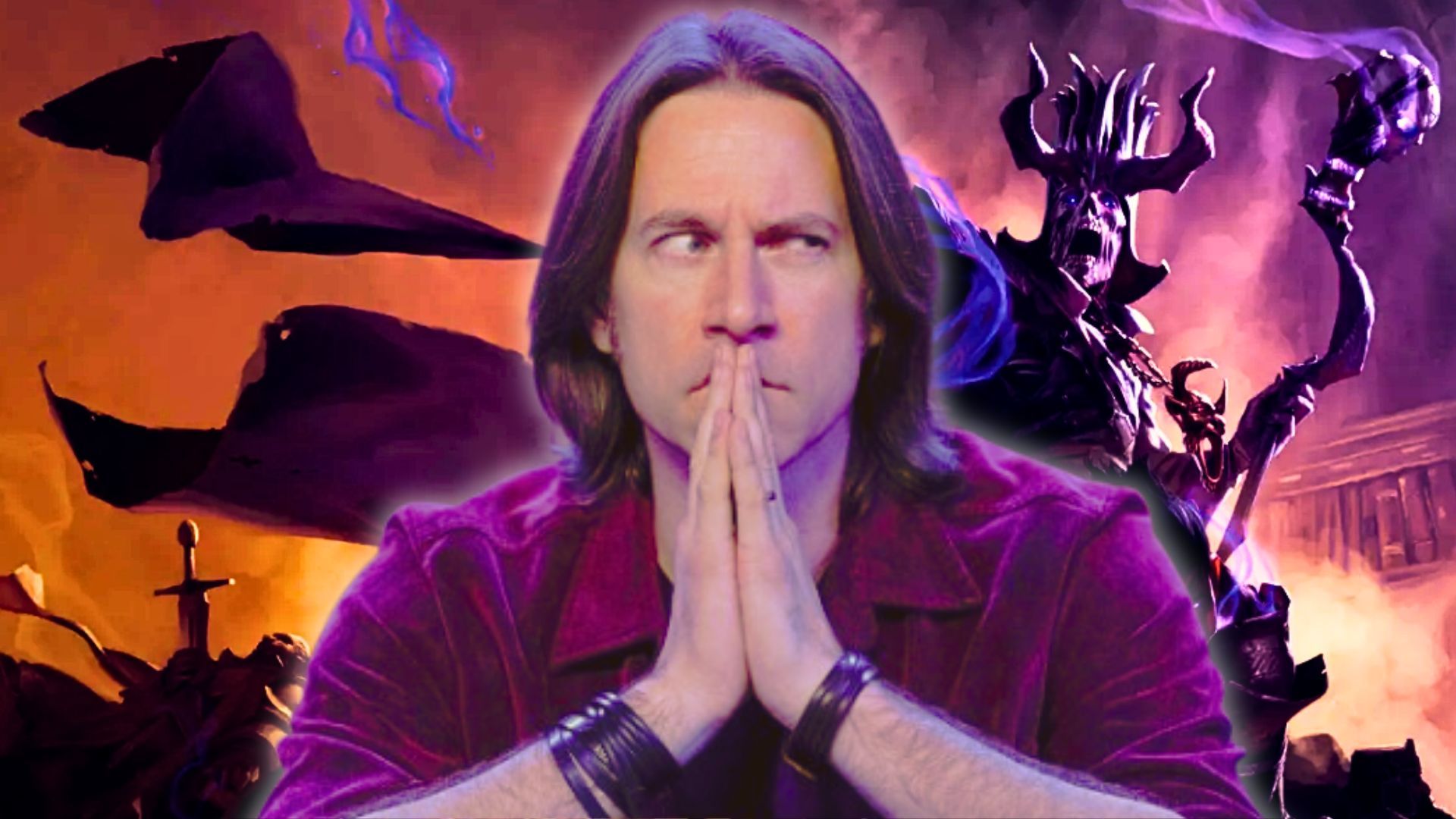
A recent episode of Critical Role’s Campaign 4 introduced a homebrew tweak that makes Warlocks unusually powerful.
Background on the tweak
Critical Role has a history of adjusting Dungeons & Dragons rules to suit its storytelling, from Matthew Mercer’s Blood Hunter class to various subclass additions. In Campaign 4, DM Brennan Lee Mulligan continued this practice by altering how death, combat, and magic function.
Episode 41 “True Nature” reveals the change
Episode 41 returns to characters Tyranny (Whitney Moore) and Wicander Halovar (Sam Riegel) in the demonic plane called The Pit. They investigate Ksha’aravi, a demon who inherited control of the Pit after the queen Iljaza was destroyed in the Shaper’s War.
With assistance from the resurrected demon Tsul’rekshi, Tyranny and Halovar learn that Yanessa Halovar—Wick’s grandmother, leader of House Halovar, and head of the Candescent Creed—is also a Warlock whose patron is Ksha’aravi. Earlier, Episode 33 hinted at Yanessa’s Warlock nature when she cast Eldritch Blast on Halandil Fang’s mug and fled.
Yanessa’s pact differs from a typical Warlock contract. A childhood game allowed her to discover Ksha’aravi’s true name, giving her control over the demon and the ability to summon his power at will. She also extends this power to the creed’s traveling religious leaders, the luxes, by using demonic contracts and filament tattoos made from angel’s blood.
Mechanics of the new Warlock variant
Mulligan explained that the luxes’ spell list now includes spells normally reserved for Clerics, such as Ceremony, thanks to the filament tattoos supplied by Wick’s grandfather Aetheon. Their spell slots, however, still come from the demon prince Ksha’aravi and a large demonic tick named Zgroog, which grows by consuming the souls of devoted followers.
Warlocks traditionally suffer from a limited number of spell slots, though they can recover them on a short rest. Their spell selections usually favor damage over healing or buffing, with some exceptions like the Celestial patron’s Cure Wounds. By granting access to Cleric spells, the Candescent Creed’s Warlocks become more versatile and resilient in combat.
Potential impact on gameplay
The combination of Warlock spell slots from demonic sources and Cleric‑type spells from filament tattoos creates a hybrid that is “significantly tougher to deal with,” according to Mulligan’s description. This development may influence how players approach Warlock builds in future Critical Role sessions and could inspire similar homebrew experiments in other D&D groups.
Trend: Homebrew adjustments that amplify already popular classes can shift balance dynamics across tabletop role‑playing communities.
Only time will tell whether this amplified Warlock will become a staple of fan‑made rules or remain a unique narrative device.