Trump’s Trade Tactics Undermine Southeast Asia’s Shift Away From China
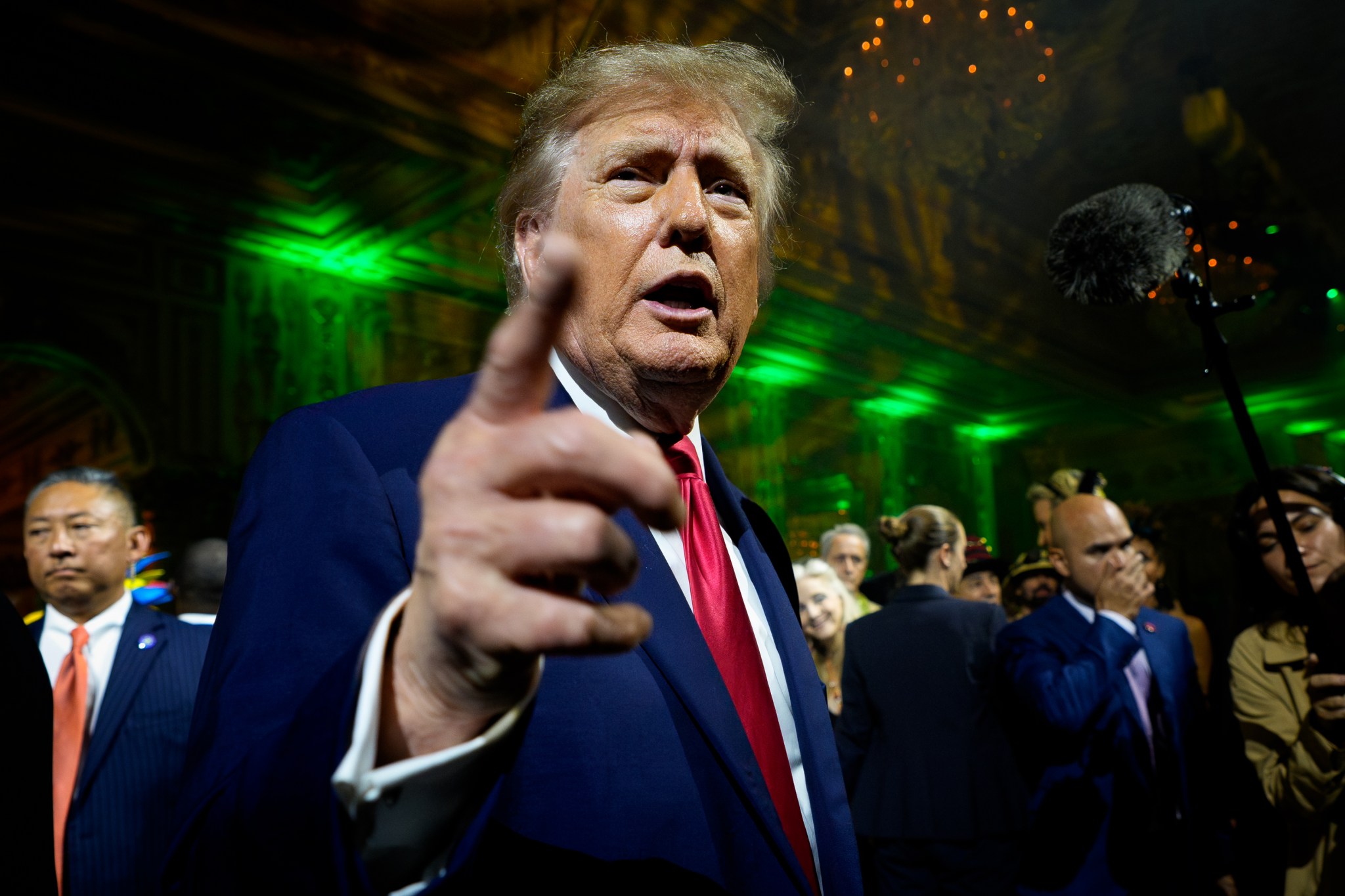
Broad U.S. tariffs meant to pressure China are backfiring, alienating ASEAN partners and slowing supply‑chain diversification.
Tariffs Intended for China Hit ASEAN Factories
For ten years Washington urged manufacturers to relocate from China to “friendly” Southeast Asian nations. After President Donald Trump announced “Liberation Day” tariffs in April 2025, broad import taxes jolted producers across the Association of Southeast Asian Nations (ASEAN), including American firms.
Rather than curbing Chinese output, the duties have alienated regional partners, hampering supply‑chain diversification and eroding U.S. influence over ASEAN trade decisions. Veteran diplomat Evan Feigenbaum calls the result a “reverse pivot,” with Washington showing hesitation in Asia instead of dynamic leadership.
From “Liberation Day” to Legal Workarounds
Following the tariff rollout, some ASEAN non‑tariff barriers fell and a few deals—such as Boeing sales and prospective LNG contracts—materialized, suggesting short‑term coercion worked. In February, the Supreme Court struck down much of the original regime, prompting the administration to shift to 150‑day emergency measures under Section 122 of the Trade Act of 1974 and expansive Section 301 probes into forced labor, IP violations and “excess capacity.”
These investigations target China, not Southeast Asia, effectively substituting an improvised China policy for a coherent regional strategy—a move the article describes as a strategic blunder.
Supply‑Chain Paradox
Multinational corporations have pursued “China‑plus‑one” moves, redirecting capital to Vietnam, Malaysia, India and the Philippines to shield critical industries from geopolitical risk. U.S. tariffs now undercut that strategy, squeezing Southeast Asian export hubs while subsidized Chinese overcapacity pressures local producers.
Deborah Elms of the Hinrich Foundation notes that Washington created incentives for alternate routes and is now penalizing partners for using them. Higher costs and a shortage of skilled domestic labor mean production will not simply shift back to the United States.
Economic Impact and Trade Balances
Bilateral trade deficits with Southeast Asian economies remain largely unchanged; regional exporters, U.S. importers and consumers are simply absorbing higher costs. ASEAN nations, skilled at “bamboo diplomacy,” balance China against the United States and prefer not to be dominated by Beijing.
Canadian Prime Minister Mark Carney warned at Davos that weaponizing economic tools forces middle powers to organize: “If we are not at the table, we are on the menu.” The article argues that coercive tactics failed with Canada and will fail in Asia.
Diplomatic Missteps and Capital Flows
U.S. ambassador to Singapore Anjani Sinha told business leaders he had orders from the President to “bring home the money” and double U.S. investments. The demand “went over like a lead balloon,” and capital is flowing further into Asia rather than back to the United States.
Since the 1985 Plaza Accord, American leaders have favored predictable, rules‑based frameworks for regional partners. Today’s transactional posture risks a durable trust deficit that could penalize American enterprise for a generation.
ASEAN’s Institutional Advance
After the U.S. withdrew from the Trans‑Pacific Partnership, ASEAN has filled the vacuum with networks like RCEP and CPTPP. Member states are also negotiating the ASEAN Digital Economy Framework Agreement (DEFA), covering 11 nations, nearly 700 million consumers and an estimated $2 trillion digital marketplace.
DEFA would set standards for cross‑border data, cybersecurity, digital identity and AI. While Washington retreats behind tariffs, Southeast Asia—with input from U.S. companies—is drafting the regulatory architecture of the 21st‑century digital economy.
Long‑Term Strategic Risks
Four ASEAN nations—Vietnam, Thailand, Malaysia and Singapore—rank among America’s top 20 bilateral trading partners. Private enterprise, investment flows and educational links remain resilient, but trust is the ultimate currency in statecraft.
If Washington continues to treat Asian partners as transactional pawns in a zero‑sum struggle with Beijing, the article warns that they will turn to other trading partners, risking economic isolation and strategic diminishment for the United States in the Pacific Rim.