Trump’s Election Narrative Gains Traction as Midterms Loom
A wave of Republican tactics aimed at undermining vote outcomes collides with a surge in voter participation.
Republican Prospects and Trump’s Narrative
Recent polling indicates that Republicans could lose the House and possibly the Senate in the upcoming midterms. Amid this outlook, former President Donald Trump continues to advance a story that Democrats will secure seats through illegitimate votes, echoing a pattern identified by psychologist Jennifer Freyd of denial, accusation, and role reversal.
Legal Shifts and Their Impact
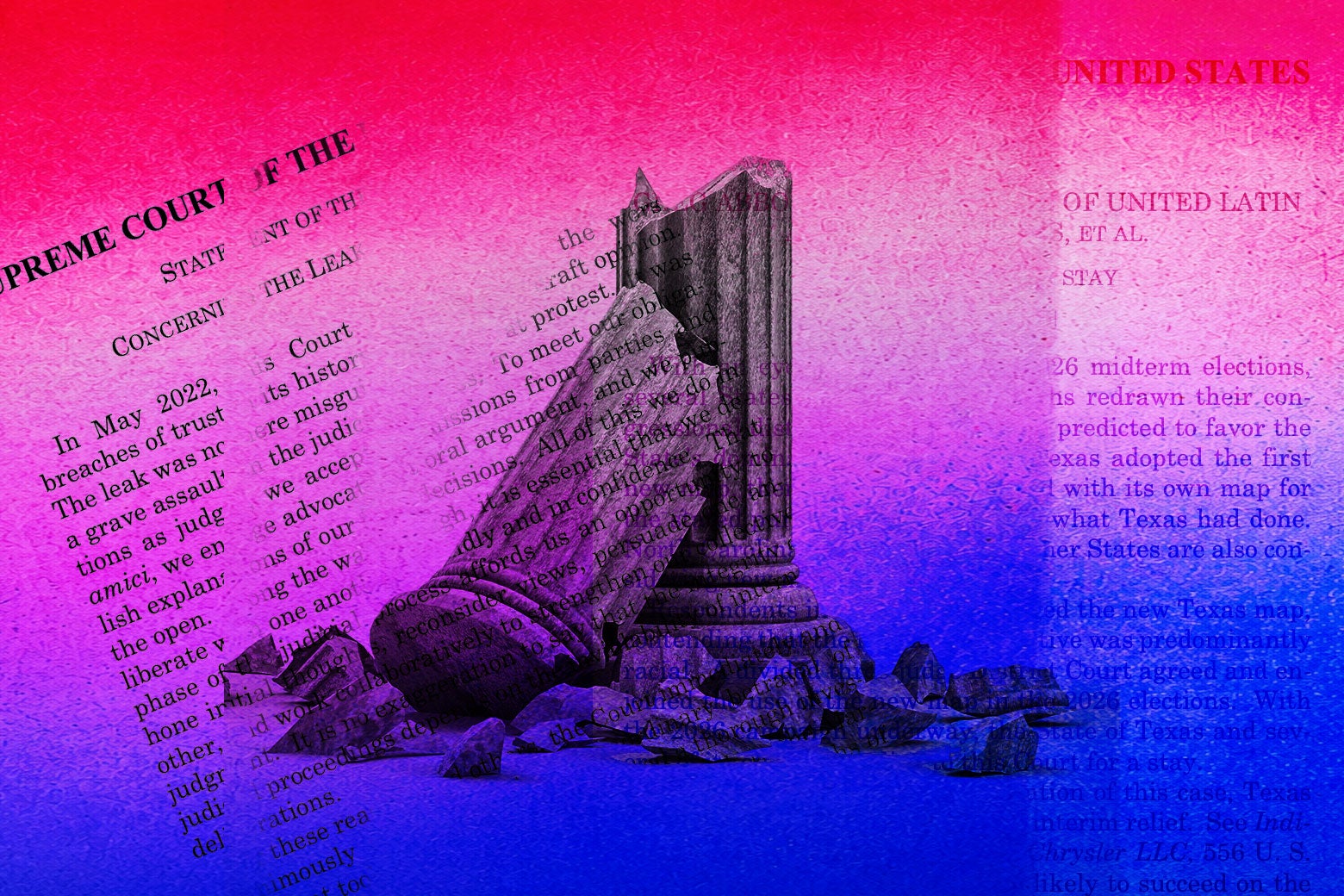
The Supreme Court’s reduction of the Voting Rights Act’s protections means states no longer need pre‑approval for election‑related decisions, allowing districts to be redrawn without federal oversight. Courts have blocked some executive orders that overreach state election authority, but a “blizzard of efforts” persists, aiming to tilt outcomes by narrow margins.
Intimidation Tactics and the Threat of a Stolen‑Election Myth
Efforts to question the legitimacy of votes include investigations into alleged non‑citizen voting in California and rumors of Immigration and Customs Enforcement presence at polling places, which could deter voters with undocumented relatives. These moves also serve to reinforce the false narrative of a stolen election that may gain traction after ballots are cast.
Alaska Senate Race as a Case Study
Trump called for prosecution of Democratic Senate candidate Mary Peltola in Alaska after a New York Times report suggested her campaign recruited a candidate with the same name as her Republican opponent. The state’s Republican governor has not pledged to certify the result if she wins. While using similarly named candidates is not illegal, it is described as unethical and potentially criminal, yet it does not constitute grounds for contesting the race.
Defensive Pillars of Democracy
Election officials, including many Republicans, have been diligently preparing to resist anti‑democratic actions despite facing abuse and threats. However, a growing number of election deniers have been placed on election boards, reflecting a determined Republican push for control.
Simultaneously, an early surge in voter turnout suggests that concerns about democracy are motivating citizens to cast and safeguard their ballots. Comparisons to recent elections abroad, such as Brazil’s rejection of a far‑right candidate favored by Trump, illustrate that a clear voter verdict can be harder to overturn than a marginal one.
The most effective defense, according to the editorial, is a populace that cares enough to vote and ensure its voice is counted.