Trump Announces $8 B Diesel Relief and $57 M Rancher Aid Just Before Midterms
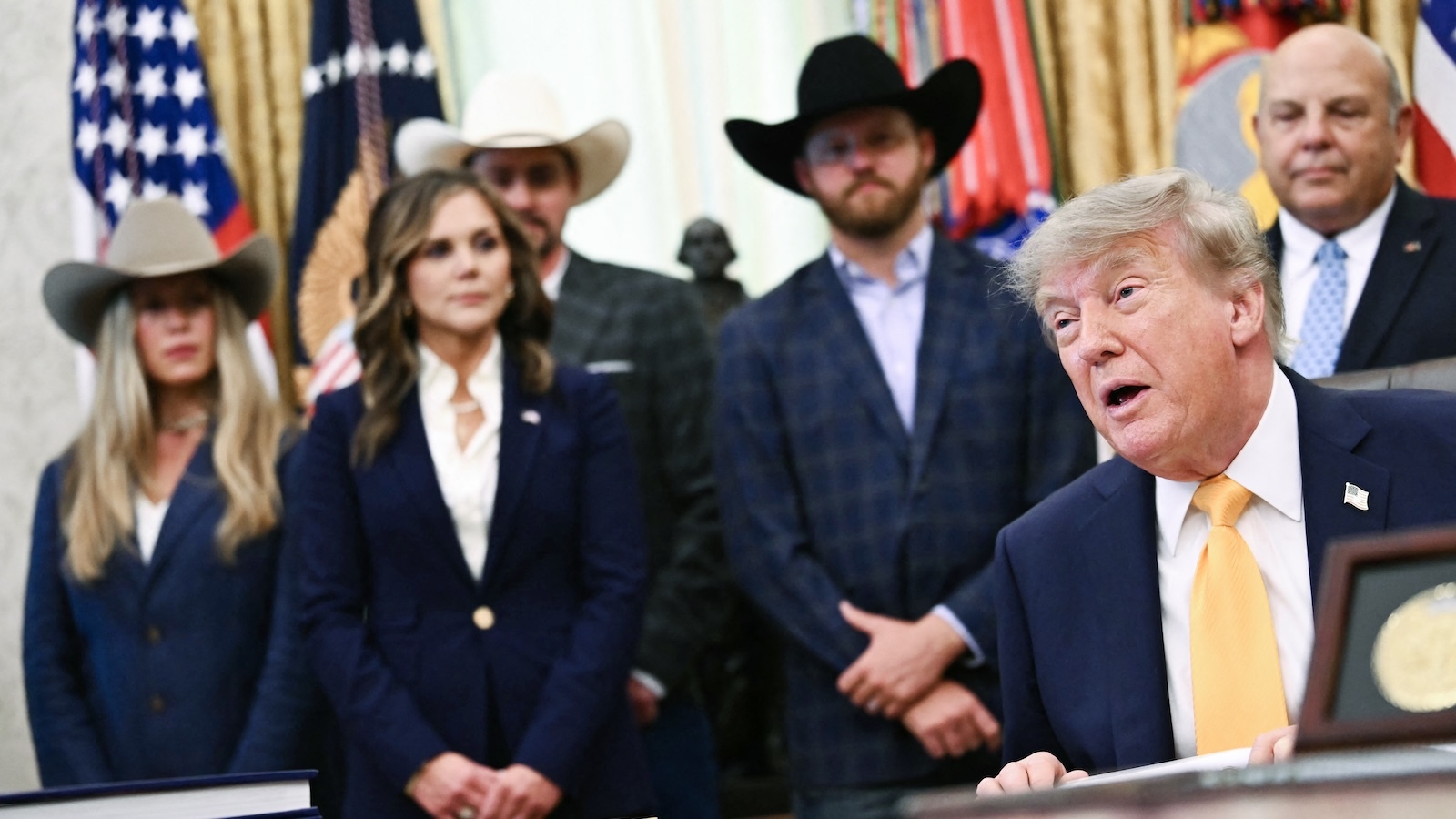
The USDA unlocked billions for farmers and millions for ranchers in late October, citing high diesel costs and a push to boost meat‑processing capacity.
Farmers Face Diesel‑Fuel Crunch
For the past two years U.S. farmers and ranchers have grappled with reduced USDA program funding and rising operating costs. A recent USDA decision cut solar from a popular renewable‑energy grant, limiting a tool many producers used to lower utility bills.
Diesel, the primary fuel for tractors, combines and livestock‑transport trucks, has surged amid supply‑chain disruptions linked to the Iran war. A Democrat‑led congressional report estimates U.S. farmers will spend an additional $2.4 billion on diesel because of the conflict.
Enter the $8 billion “Harvest Fuel Relief Program.” On October 19 President Donald Trump announced the funds would help producers recoup losses incurred during the 2026 crop year due to high diesel prices.
The USDA said the program would provide “simple, proportional support to producers.” A USDA spokesperson told Grist, “President Trump has been the most pro‑farmer president in our nation’s history, and the Harvest Fuel Relief Program is the latest action to deliver for them.” Details on application procedures remain vague, and the agency said payments would be finalized “soon.”
Ranchers Get a Boost Before Election Day
High beef prices and drought‑driven low herd sizes have left cattle ranchers frustrated. On October 26, just over a week before the midterm election, the USDA announced $57 million earmarked for independent producers to expand meat‑processing capacity.
Rancher Aaron Lehman of the Iowa Farmers Union warned that U.S. farmers “have needed help for months” and “never should have been put in this position.”
Additional USDA Moves
In a separate announcement, the USDA said it will purchase nearly $500 million in agricultural commodities from U.S. producers, further supporting farm income.
These actions arrive as the nation’s farm bill—last passed in 2018—remains in limbo, with competing versions stalled in the House and Senate ahead of the midterms.
Criticism and Context
Mike Lavender, policy director of the National Sustainable Agriculture Coalition, called the farmer payments “a failing solution,” noting that farm bankruptcies hit a six‑year high this spring and many farms carry heavier debt loads.
The timing of the diesel relief program is notable because the USDA recently made it harder for farmers to adopt solar and wind energy, despite the agency’s earlier settlement to restore climate‑change webpages that had been deleted.
Overall, the new funding underscores the administration’s focus on supporting fossil‑fuel‑dependent agriculture even as climate concerns grow.
Whether the billions in aid will ease the tension among farmers and ranchers remains to be seen, but the moves signal a last‑minute push to court a key constituency before voters head to the polls.