The Real Value Behind “Carrying Ten Thousand Strings of Cash Around the Waist”
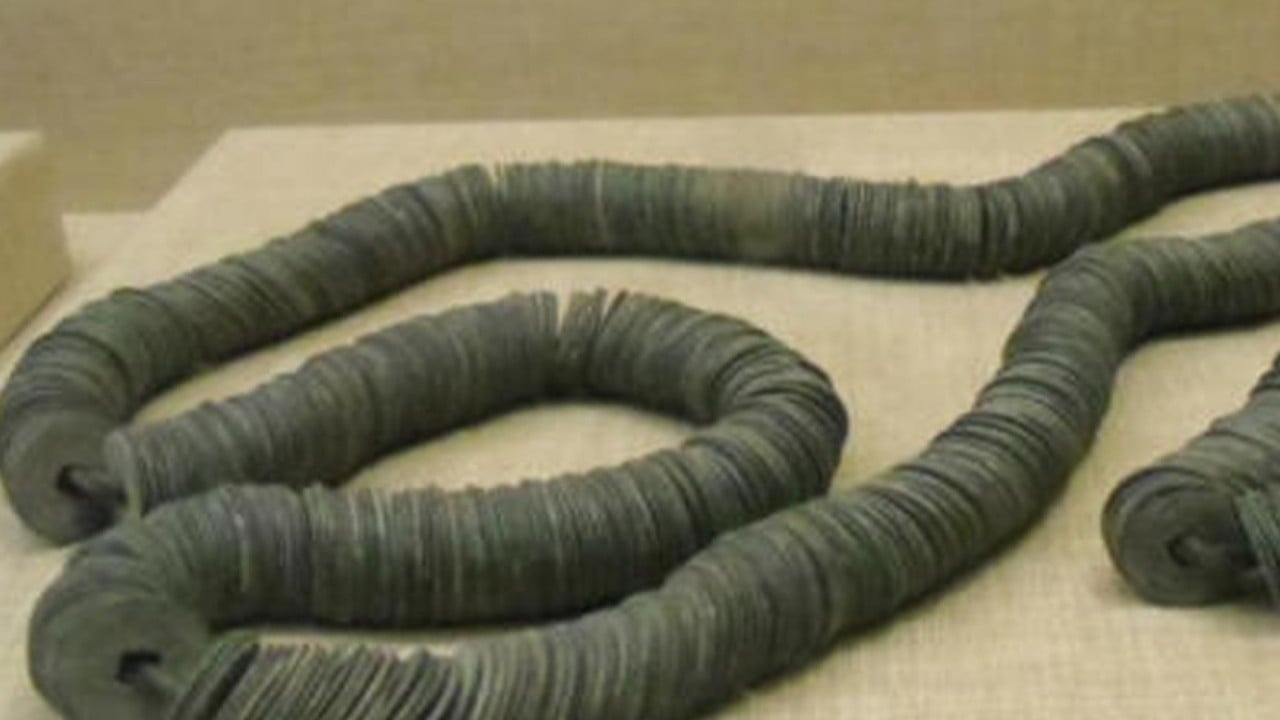
The Chinese idiom “yao chan wan guan” refers to a string of 1,000 copper or bronze coins, known as a guan.
Imagine a waist literally weighted with ten thousand strings of cash! That vivid image comes from the Chinese saying “yao chan wan guan,” used to describe immense wealth.
The term guan was a unit of account that literally meant a string of coins. Each guan typically held 1,000 individual copper or bronze coins, called wen.
This accounting method emerged alongside the round coin with a square hole, a design first seen during the Qin dynasty (221–206 BC).
Even though merchants ranked at the bottom of the traditional social ladder—below scholars and farmers—some of the richest among them are still remembered for their fortunes.
So when ancient Chinese spoke of “carrying ten thousand strings of cash around the waist,” they were picturing a staggering amount of money measured in guan.