Samsung upgrades Galaxy Watch sleep apnea tracking with AI detail

Samsung’s new AI‑driven sleep apnea feature adds hourly insights and severity stages to select Galaxy watches and rings.
Samsung has refreshed its sleep‑tracking suite with an AI algorithm that promises more granular apnea reporting than its earlier version.
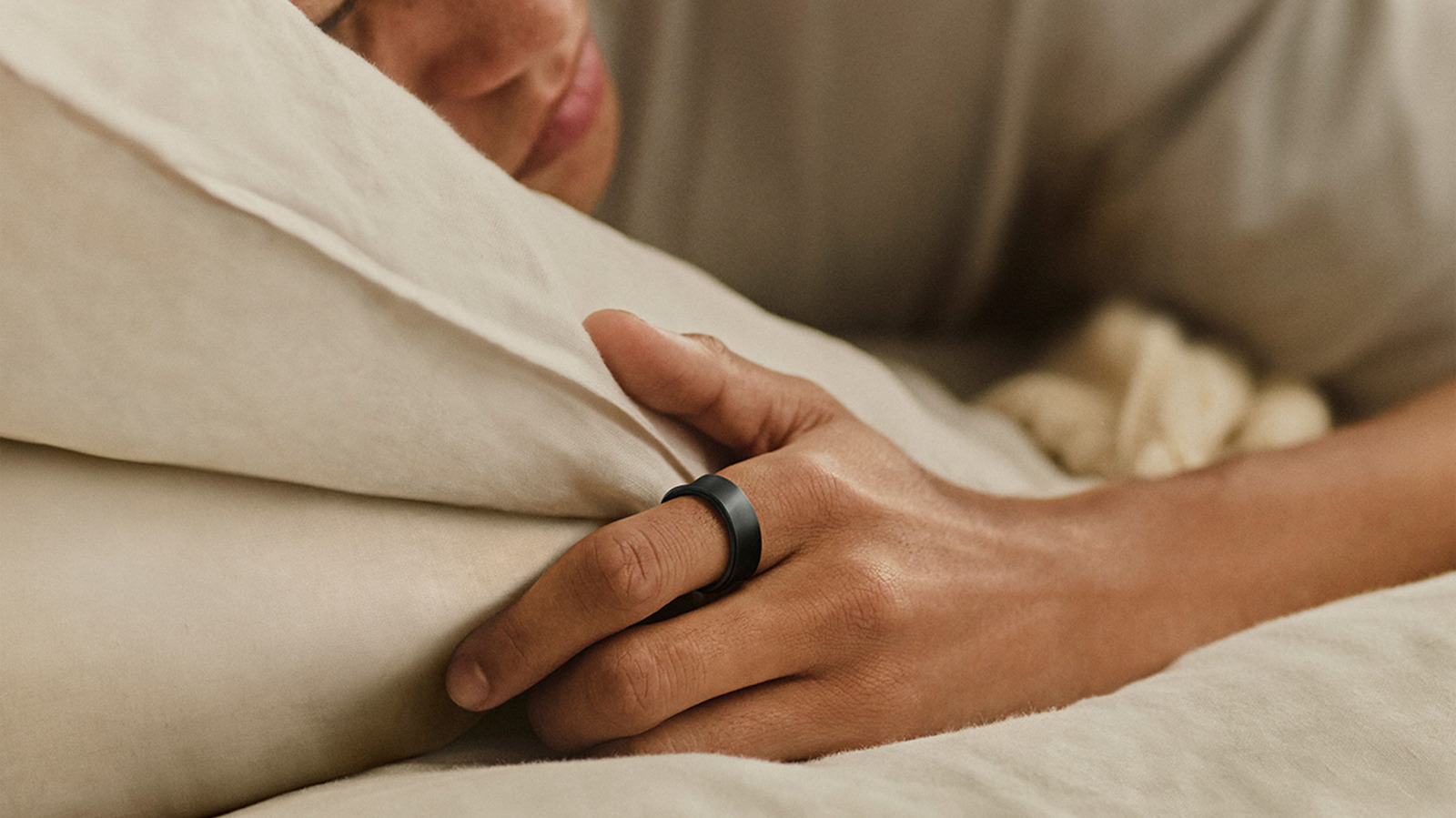
The upgraded feature, which has received FDA clearance, will first appear on the Galaxy Watch Ultra 2, Watch 9 and Samsung Ring. It will later be delivered to the Galaxy Watch 7 and 8 via software updates.
Unlike the prior implementation that merely flagged the presence of sleep apnea, the new system shows users the hourly breathing patterns that underlie the condition. After wearing the device for a few nights, results are broken into three categories—mild, occasional, and frequent—to give “greater specificity in condition management,” according to Samsung.
To activate the feature, a user must record two nights of sleep within a ten‑day window. The watch then analyzes the data and presents the staged results.
The rollout will start in Korea in November. Samsung has not confirmed when the feature will reach U.S. watches or rings.
While the watch can detect apnea patterns, Samsung notes that it cannot replace medical treatment. The American Medical Association estimates the condition affects about 30 million Americans and can lead to high blood pressure, heart disease and reduced focus if left untreated.
Many wearable makers now include some form of apnea detection, positioning the technology as a passive, at‑home screening tool for a condition that is “highly treatable,” according to the AMA.
As of now, the advanced detection remains a diagnostic aid; users will still need professional medical evaluation for any treatment plan.