Progressives Claim “Blue Wave” as Democrats Promise Unity After Midterm Upset
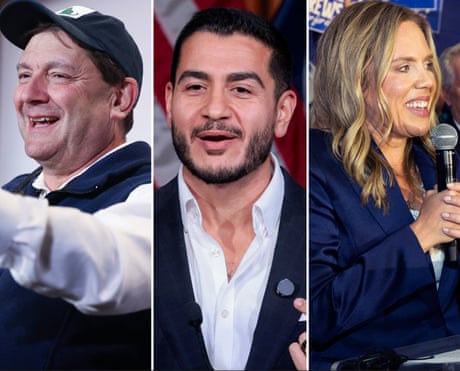
Progressive groups hail the midterm victories as a repudiation of the Democratic establishment while senior leaders call for a united front on cost‑of‑living and anti‑corruption measures.
Midterm “Blue Wave” Redefines the Map
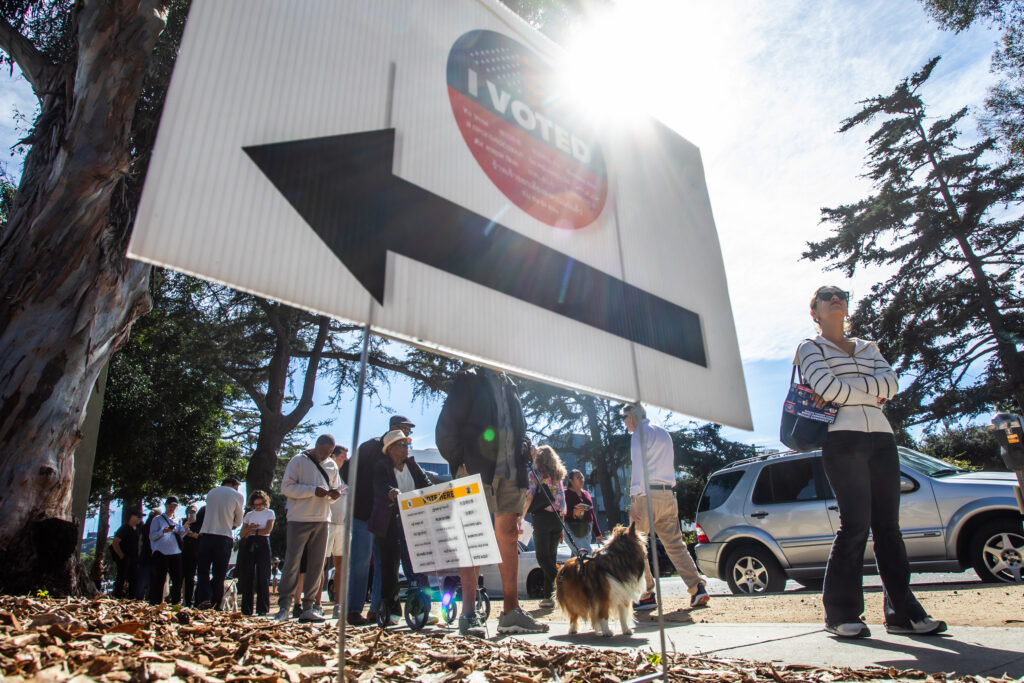
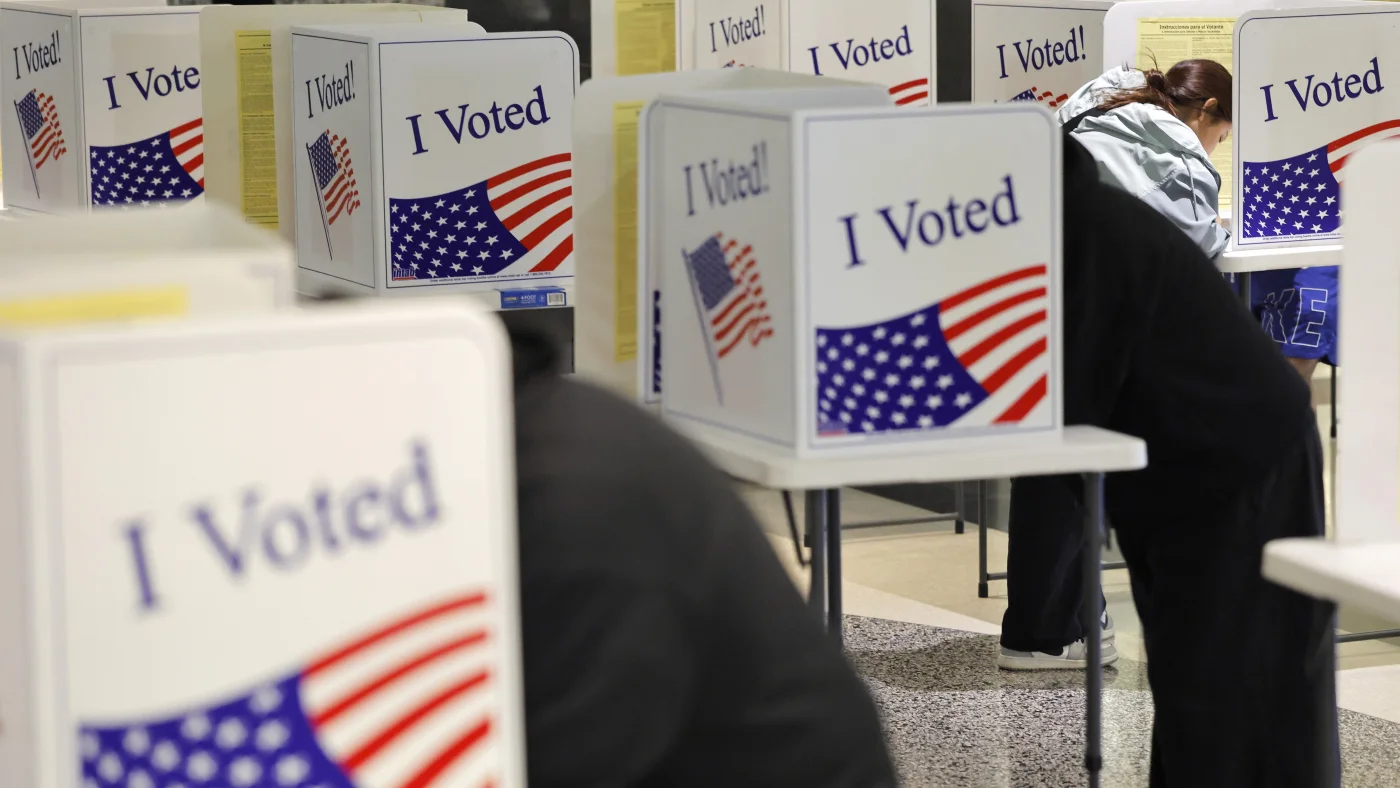
An “astonishing blue wave” swept the nation on Tuesday, delivering Democratic victories in districts that had been Republican strongholds. The party reclaimed control of both the U.S. Senate and the House of Representatives, and the New York Times analysis notes that the Democratic share of the popular vote for House races was the largest since 1976.
Progressives Claim Credit
Progressive groups are quick to own the triumph. Usamah Andrabi, spokesperson for Justice Democrats, said the results were not an endorsement of a mealy‑mouthed corporate agenda from Democrats that practices incrementalism but rather “an endorsement of a bold and visionary agenda.” Alan Minsky, executive director of Progressive Democrats of America (PDA), declared that the movement has become “a mature political movement with an increasing number of excellent leaders around the country” and that it “won the battle of the primary season inside the party.”
Ashik Siddique, national co‑chair of the Democratic Socialists of America (DSA), emphasized that democratic socialists are “leading the conversation and helping to shift public opinion in really dramatic ways on key issues,” citing positions such as abolishing ICE and imposing arms embargoes against Israel.
Key Progressive Victories
Progressives point to Abdul El‑Sayed’s win in Michigan as a hallmark. El‑Sayed defeated moderate Democrat Haley Stevens in a bitter primary; Stevens later endorsed Republican Mike Rogers. Andrabi described Stevens’s “meltdown at the end of this campaign” as evidence of where corporate Democrats are at, flailing for relevancy and failing to gain it.
Moderate Wins and Leadership Outlook
Moderates also celebrate. Adam Hamilton in Kansas and Josh Turek in Iowa pulled off “extraordinary upsets” to flip Senate seats. House minority leader Hakeem Jeffries is poised to become the first Black speaker of the House, while Senate minority leader Chuck Schumer is set to lead the Senate.
Speaking to reporters, Schumer asserted that whether they were progressive or more moderate, we have spent months campaigning on the same issues… improving affordability and tackling corruption, adding that “we will be united as a caucus focusing on those issues.”
Calls for Radical Action
Despite the unity rhetoric, some progressives remain skeptical of the establishment. Ezra Levin and Leah Greenberg of the Indivisible movement have urged senators to oppose Schumer’s ascension to Senate majority leader. Ravi Mangla, national press secretary for the Working Families Party, stressed that voters gave Democrats a mandate “to pursue accountability for Trump and the corruption in his administration, as well as a mandate to address the cost‑of‑living crisis.”
Minsky cautioned that the ensuing debate will take place with a great degree of civility and expressed confidence that “we’re going to find a lot of solidarity across all sectors of society for accountability, and we can have unity.”
Future Implications
With the 2028 presidential primaries on the horizon, progressives are eyeing potential candidates such as Congresswoman Alexandria Ocasio‑Cortez and Congressman Ro Khanna. Mangla noted that candidates who people said could not win in swing districts not only won, but weathered massive opposition spending, suggesting a shift in the calculus for future races.
The battle between progressive ambition and establishment pragmatism is set to shape the next electoral cycle.