New World Screwworms Reach Arizona, Adding Pets to the List of Victims
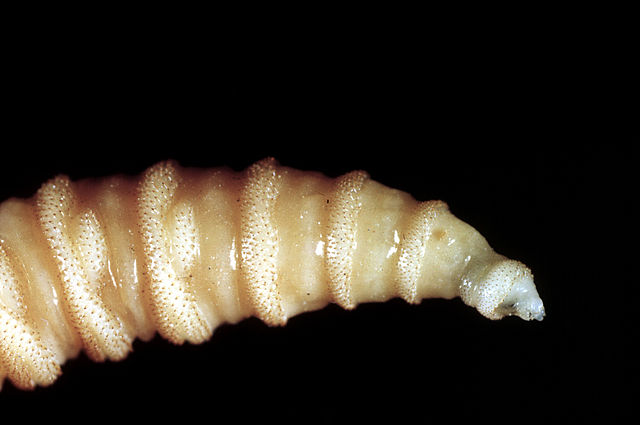
The parasitic fly that devastated U.S. livestock in the 1960s has resurfaced, now confirmed in Arizona and affecting dogs and a cat.
Arizona joins New Mexico and Texas in New World Screwworm outbreak
The United States Department of Agriculture (USDA) has confirmed that the New World Screwworm (NWS) has been detected in Arizona, adding the state to the two already affected by the parasitic fly.
Since the flies re‑invaded the country in June, USDA tallies 74 animal cases across the United States. The majority involve livestock, but pets are also being bitten.
“We remain prepared and vigilant, and we urge all livestock owners, pet owners, and other animal industry partners to continue to monitor animals closely and report any unusual wounds consistent with NWS immediately,” the Arizona agriculture department said after a dog in Cochise County was examined on October 26 and found with a heavily infested wound.
The Arizona case involved a dog whose back wound was described as “heavily infested with maggots consistent with NWS characteristics.” USDA confirmed the diagnosis and is coordinating a joint response with state officials.
In the same reporting period, USDA added four new domestic‑dog cases and one cat case in New Mexico, bringing the pet total to ten since the flies’ return. A single wild elk case was also recorded.
The flies lay hundreds of eggs in wounds or moist orifices; the emerging maggots resemble screws and bore into living tissue, causing severe wounds that can be fatal.
Historically, the United States eradicated the screwworm in the 1960s through aerial releases of sterile male flies, creating a biological barrier along the Darién Gap. That barrier was breached in 2022, allowing the flies to travel north from Central America.
While the primary concern remains livestock, the parasites can affect wildlife, domestic pets, and, in rarer instances, humans. Mexico’s Ministry of Health reports 806 human cases and nine deaths since the reemergence.
Authorities continue to monitor the situation and advise animal owners to watch for unusual wounds and report them promptly.