Listening to People with Learning Disabilities Is a Matter of Life and Death
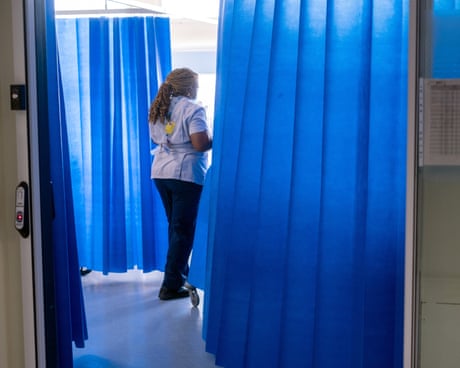
A new report reveals how the Covid pandemic exposed deadly gaps in care for the 1.5 million UK residents with learning disabilities.
Covid exposed fatal inequalities
The Covid pandemic shone a harsh light on health and social‑care inequalities, and the lessons have yet to be fully absorbed.
Fiona Walker, who experienced the system first‑hand, says, “I know from experience they wouldn’t have valued my life.” Her words appear in a new report on the treatment of people with learning disabilities during the crisis.
There are 1.5 million people in the UK with learning disabilities, and their families had reason for concern. Death rates in England were four to six times higher than the average for this group.
It is now well established that the pandemic did not create these inequalities; it exposed and intensified them. People with learning disabilities die on average 19.5 years earlier than those without, and deaths are almost twice as likely to be classed as avoidable.
“How We Survive and Thrive” report
Ms Walker and other commissioners contributed to the “How We Survive and Thrive” report, led by Learning Disability England and produced with researchers from the University of Birmingham and Manchester Metropolitan University.
The report describes families being abandoned by planners during the pandemic, while carers and communities stepped in to provide support. Care homes were failed, and the needs of those living in family homes or community settings were often simply overlooked.
Key recommendations
Prioritise patients with learning disabilities in future crises.
Increase, not decrease, support for this group.
Ensure people are included on the GP learning‑disability register.
Provide accessible information and reasonable adjustments.
Reactions that are sometimes taken as refusals of care often signal the need for clearer information or a carer who can advocate for the patient. As Mencap has pointed out, such adjustments can be the difference between life and death.
Systemic prejudice and dangerous guidance
While many carers and health workers provide remarkable support, professionals are not immune from societal prejudices. The imposition of “do not attempt cardiopulmonary resuscitation” decisions on people with learning disabilities during the pandemic may have partially reflected early advice from the National Institute for Health and Care Excellence (NICE).
NICE advised that patients needing personal‑care support could be scored high for “frailty,” potentially affecting access to critical care. The guidance was later withdrawn.
Testimony from patients and families suggests that dangerous assumptions about quality of life also played a role. Overcoming these will require sustained training and accountability.
Threats to recent progress
Families and campaigners warn that progress made in recent decades is now being undone. Cuts to social‑care packages and local support create profound challenges in healthcare.
Initiatives such as the Learning from Lives and Deaths scheme, which examines care received before deaths, and mandatory training for healthcare staff, face growing funding pressures.
The number of learning‑disability nurses has fallen by a third since 2009, and student numbers are collapsing. Reversing this trend is essential because learning disabilities should not mean a shorter life.
Listening to people with learning disabilities and their families is not a nicety; it is a matter of life and death.