Liberty Mutual’s “Liberty Biberty” Sparks Boston Protest and Online Fury
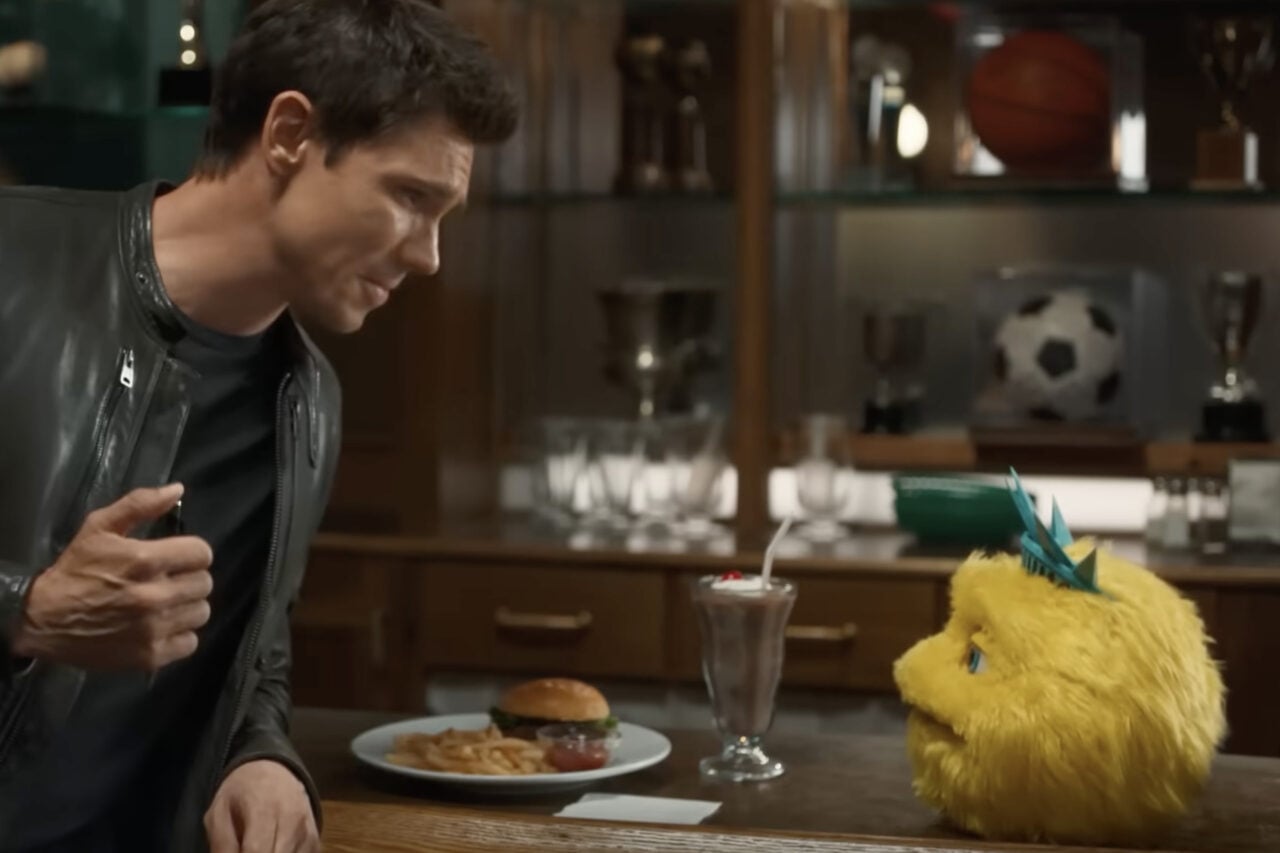
A yellow‑furred mascot has ignited a wave of social media backlash and a street demonstration outside Liberty Mutual’s headquarters.
From Ancient Ads to Modern Meme Wars
The practice of placing public notices dates back to a 3,000‑5,000‑year‑old papyrus from Thebes, Egypt that offered a reward for a runaway slave named Shem. Advertising remained straightforward for millennia until the 20th century, when new communication technologies created a massive industry devoted to selling products.
In recent decades, attention spans have shortened, prompting some marketers to adopt tactics that rely on visceral repulsion, a strategy now common among news and social media outlets.
Liberty Biberty’s Rapid Rise to Infamy
Liberty Mutual introduced a spherical, yellow‑furred mascot named Liberty Biberty earlier this summer. The character quickly attracted widespread dislike, with the backlash moving from isolated social‑media takedowns to a segment on Last Week Tonight, where host John Oliver described the puppet in harsh terms.
One individual even reported tattooing the mascot and later having the image “churned into ground meat.” The controversy escalated further when dozens of people gathered in Boston to protest in front of the insurer’s headquarters.
Boston Protest and Its Organizer
The demonstration, held on October 25, was organized by 19‑year‑old YouTuber and video‑essayist Connor Harvey. He announced the rally three weeks earlier in a video that has since amassed 665,000 views.
According to The Boston Globe, protestors displayed handmade signs labeling “Liberty Biberty is fascism,” and Harvey likened the event to “the next Boston Tea Party.” He later described the mascot to USA Today as the “peak of enshittification.”
Why the Outrage Resonates
Commentators compare the Liberty Biberty phenomenon to earlier internet‑driven dislikes, such as the collective aversion to the word “moist” that linguist Ben Zimmer has examined. In both cases, an initial small‑scale joke spreads, and later participants adopt the sentiment as their own.
The digital age’s atomized nature, combined with a desire for communal experiences, may explain why individuals latch onto a meme‑based controversy as a way to join a larger group.
Speculation About Marketing Intent
Some observers wonder whether the protest was a staged marketing stunt similar to “look‑alike contests” that aim to generate earned media. No evidence has emerged linking Liberty Mutual directly to the organization of the protest or to an intention to create a repulsive mascot.
Even if the company is benefiting from the free publicity, there is no indication that it is actively encouraging the hate. The firm appears to be planning future campaigns, though whether it will lean into the controversy or shift direction remains unknown.
Creative Labor Behind the Mascot
Despite the public’s negative reaction, the team that produced the Liberty Biberty commercials reports that the collaborative process fostered a sense of purpose and camaraderie among its members.
Those internal bonds are likely to persist even after the public’s attention wanes.
Takeaway
Liberty Biberty’s brief but intense moment in the spotlight illustrates how a single advertising character can ignite both digital and street‑level protest, reflecting the power of meme‑driven outrage in today’s media landscape.