High‑street brands turn to luxury playbooks and AI styling to win back shoppers
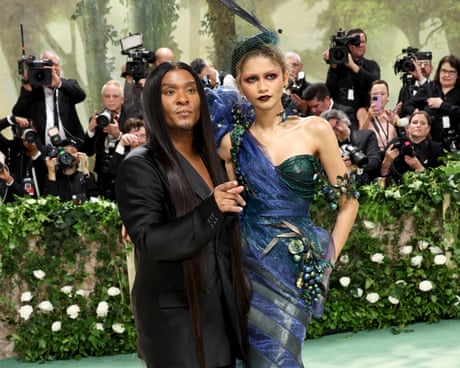
Gap, M&S, Topshop and AS OS are borrowing luxury cues, celebrity collaborations and AI tools to attract a more sophisticated generation.
High‑street retailers are borrowing luxury fashion’s cultural cues to meet the aspirations and price realities of today’s shoppers.
Celebrity collaborations and runway‑to‑retail
Gap has launched a new collection with Victoria Beckham, while Marks & Spencer (M&S) presented a catwalk collection at London Fashion Week featuring Joan Collins and several Gen Z “Gallaghers.” The collection was made available for immediate purchase, with half of the pieces priced under £50. Topshop, relaunched last year, now operates concessions in 30 John Lewis stores and the luxury retailer Liberty.
Lisa Illis, head of design at M&S, said the catwalk show was “making the buzz of London fashion week accessible to everyone.” She added that “more fashion‑informed seasonal collections” have driven a 16% year‑on‑year increase in under‑35 shoppers at the retailer.
AI styling and “Buy the Look” at AS OS
Hollywood stylist Law Roach, known for working with Zendaya, has been named stylist‑in‑residence at AS OS. His influence will extend beyond advertising to product recommendations across the site.
Vanessa Spence, AS OS’s executive vice‑president of brand, noted that 68% of consumers want guidance on how to wear items. In response, AS OS has introduced AI stylists, virtual try‑on tools and a “Buy the Look” option that lets shoppers purchase a complete outfit in one click. Spence said the feature is “very popular” and helps customers extend the life of their purchases.
Inclusive and affordable ranges
AS OS’s adaptive collection for disabled customers was developed with consultancy Tilting the Lens. Founder and disability advocate Sinéad Burke explained that the line offers customizable pieces, such as a magnetic waistcoat that can be paired with pants, and that no item costs more than £65. This price point is significant because 46% of disabled people in the UK are not in work, and Baynes of Savvy Marketing emphasized that “cost is absolutely king” for shoppers.
Financial turnaround and market pressure
After a sharp sales decline post‑COVID and competition from ultra‑cheap brands like Shein, AS OS saw a 12% sales drop in August. A cost‑cutting programme that included charging for returns helped reverse the trend, and the company announced a 50% profit growth in March, though the impact of an October cyber‑attack remains unclear.
Shifting sustainability messaging
Fashion commentator Andrea Cheong observed that brands are less likely to highlight environmental credentials, citing criticism, cost pressures and a rise in conservatism as factors. At M&S, which launched eco‑commitments in 2007, Illis said the focus is on designing pieces with longevity, from everyday staples to seasonal fashion, to help customers build wardrobes they will keep longer.
By blending luxury collaborations, AI‑driven styling and affordable inclusivity, high‑street names are reinventing themselves for a new generation of shoppers.