Haley Stevens Endorses GOP Senate Candidate as Gulf Nations Brace for Possible Iran Conflict
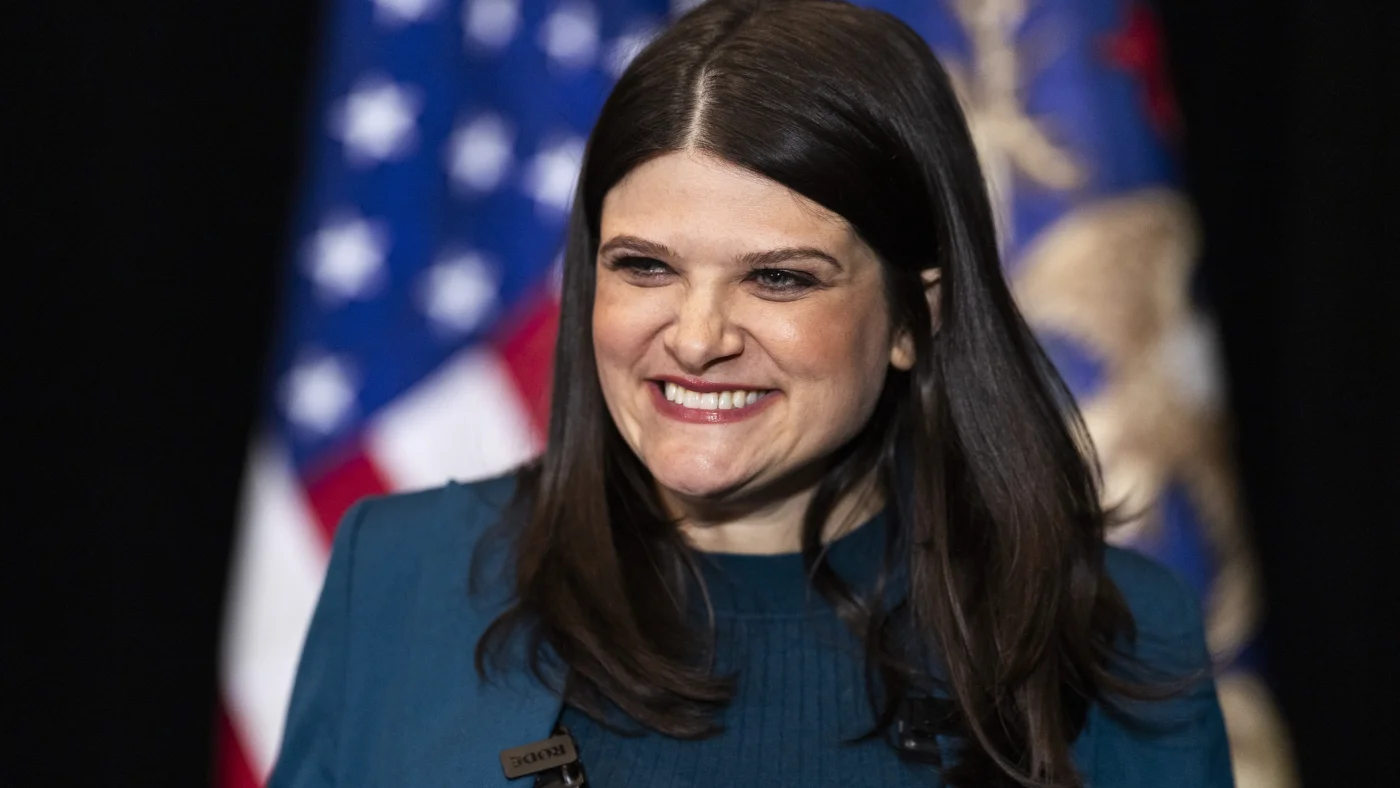
Democratic Rep. Haley Stevens crossed party lines to back Republican Mike Rogers for Michigan’s Senate seat amid a heated primary fallout, while Gulf states prepare for a potential U.S. strike on Iran.
Michigan Senate Race Upset
Democratic Representative Haley Stevens announced an endorsement of Republican Mike Rogers for Michigan’s open Senate seat less than 48 hours before Election Day, a move that stunned the political landscape.
Stevens said the endorsement was driven by concerns about her former primary opponent, Democratic nominee Abdul El‑Sayed, specifically his ties to political streamer Hasan Piker. Piker’s remarks concerning Jewish people and Israel sparked backlash in August, and Stevens criticized El‑Sayed for not doing enough to reassure Black and Jewish voters who had supported her in the primary.
A photo shows Mike Rogers (right) and Rep. Haley Stevens attending a service at Perfecting Church in Detroit on November 1, 2026 (Jose Juarez/AP).
Potential U.S. Action Against Iran
Midterm Election Context
As early voting continues, the nation approaches Election Day. A spreadsheet tracked congressional districts that have been redrawn since 2024 as part of a mid‑decade redistricting push. The president pressured Republican‑led states to create more certain GOP districts, yet results in two‑thirds of those districts remain uncertain.
In North Carolina, a campaign rally was scheduled in Greenville. National Republicans redirected resources from their handpicked nominee Michael Whatley to more competitive races, suggesting the rally’s purpose was to support the Republican candidate in eastern North Carolina’s first congressional district, now one of the most contested and expensive House races.
Health & Science Segment
In NPR’s “Your Turn” series, psychiatrist Judith Joseph describes “anhedonia” as the inability to experience pleasure, labeling it a “silent sister” of high‑functioning depression that can affect midlife individuals.
These intertwined political and regional developments illustrate how domestic electoral shifts can echo into international security calculations.






