Doctors Surge into Congress as Democrats Ride a Blue Wave
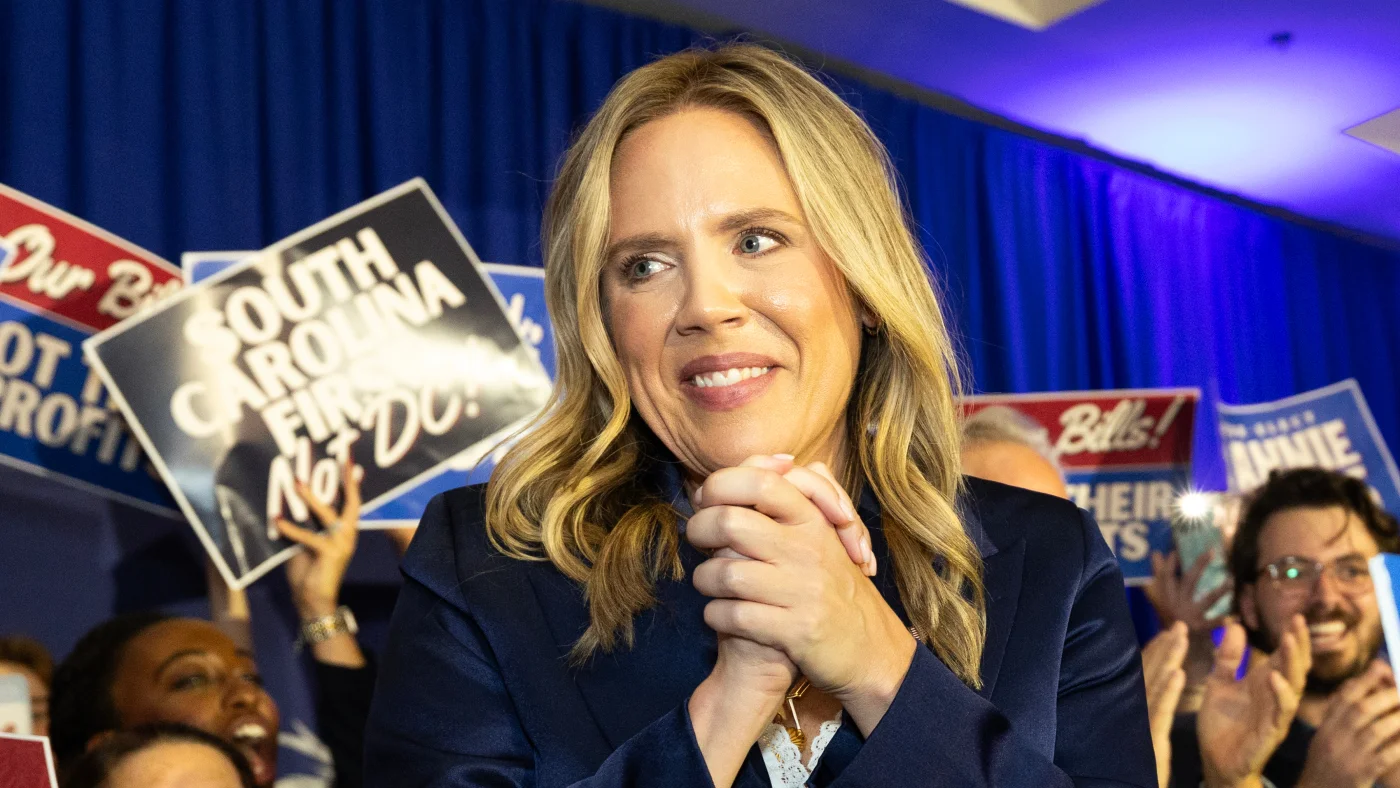
A wave of physician candidates, many backed by 314 Action, won key races, reshaping the partisan balance of doctors in Washington.
Historic Senate win for a practicing doctor
Dr. Annie Andrews, a pediatrician from South Carolina, secured a Senate seat, marking the first time a Democrat who actively practices medicine will sit in the U.S. Senate since 1938. Her victory was highlighted at an election‑night gathering in Charleston.
Why doctors are running as Democrats this cycle
In previous elections, most physician candidates aligned with the Republican Party, citing concerns about taxes and government regulation. This cycle, many candidates come from large hospital systems and emphasize public‑health priorities such as equity and affordability.
Andrews told NPR that witnessing parents struggle to afford inhalers and insulin, and seeing children affected by gun violence, motivated her to seek political office as a means to drive change for children.
Shifts in the partisan makeup of medical lawmakers
Before the election, all four physicians in the Senate were Republicans. Two Republican senators—Bill Cassidy of Louisiana and Roger Marshall of Kansas—lost their reelection bids. With Andrews joining the Senate and epidemiologist Dr. Abdul El‑Sayed winning in Michigan, the Senate now has an equal number of Republican and Democratic doctors.
In the House, the Democratic doctors’ caucus, which previously counted six members, will be bolstered by at least two newcomers: Dr. Adam Hamawy, a former U.S. Army surgeon from New Jersey, and pediatrician Dr. Richard Pan from California. The Republican doctors’ caucus added neurosurgeon Dr. John Cowan from Georgia, though several GOP incumbents were defeated and some races remain too close to call.
314 Action’s role in the physician surge
The progressive organization 314 Action—named for the mathematical constant pi—channeled more than $30 million into campaigns for science‑trained candidates across state and federal races, supporting 48 physicians among them. President Shaughnessy Naughton described the group’s work as providing campaign strategy, communications, media training, fundraising assistance, and national exposure.
Down‑ballot victories and future physicians in state legislatures
Beyond the high‑profile Senate and House wins, 314 Action‑backed candidates captured numerous down‑ballot seats. New state legislators who will be the sole physicians in their chambers include Dr. Nikhil Wagle in Iowa, Dr. Amelia Gallitano‑Mendel in Arizona, and Dr. Jarod Fox in Florida.
Governor‑elect Dr. Amy Acton of Ohio, also a physician, celebrated her victory at a party in Columbus, underscoring the broader trend of medical professionals attaining executive offices.
Implications for policy and public health
The influx of doctors into legislative roles may shift congressional attention toward issues such as drug affordability, child health, and gun‑related injuries, which Andrews identified as leading causes of death for children in the United States. Their presence could also influence debates on public‑health funding and health‑equity initiatives.