Brazil‑led “deforestation roadmap” unveiled ahead of COP31
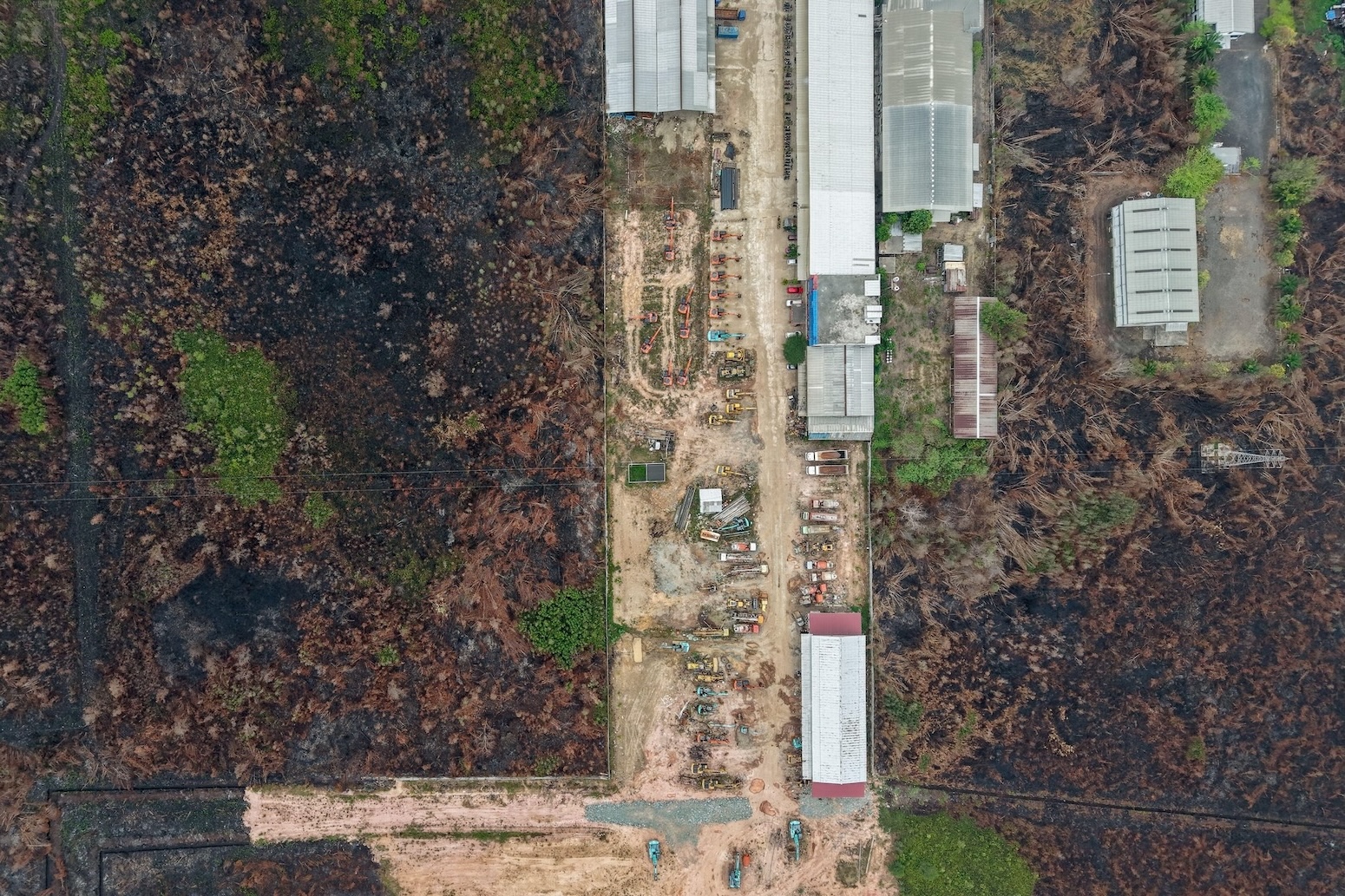
Brazil’s COP30 presidency released a voluntary roadmap to halt and reverse forest loss, drawing signatures from 93 countries.
What the “deforestation roadmap” is
On 3 November, the Brazilian presidency of the COP30 climate talks released a voluntary “deforestation roadmap” that aims to translate forest‑related outcomes into coordinated, country‑led action. The document was announced by President Luiz Inácio Lula da Silva at the leaders’ summit in Belém, a few days before the official COP30 sessions began.
Although the roadmap fell outside the negotiated COP outcomes, it quickly became a rallying point at the “Amazon” COP. By the summit’s close, 93 countries had signed on, committing to develop pathways that would halt and reverse forest loss and degradation by 2030.
How many signed up and who they are
Support came from the European Union’s 27 member states, the 56‑member Coalition for Rainforest Nations and a further mix of nations, bringing the total to 93 signatories. This figure is short of the 196 parties needed for a formal COP consensus, meaning the roadmap will not become an official COP decision.
Following the summit, the COP30 presidency and the Climate Policy Initiative think‑tank invited inputs from governments, NGOs, Indigenous groups, academia and the private sector. More than 200 contributions were received, but only 18 came directly from countries and four from negotiating blocs – the EU, the Coalition for Rainforest Nations, the Alliance of Small Island States (AOSIS) and the Least Developed Countries (LDC) bloc.
What the roadmap proposes
The document is structured around three pillars: national action, international architecture and financial mechanisms. Each pillar lists current instruments, enabling conditions and “COP30 presidency proposals on the way forward”.
National action is broken into five “forest dimensions”: maintaining existing forests, sustainable use that benefits communities, combating degradation, combating outright deforestation, and restoration/reforestation/afforestation. Eighteen policy approaches are described – ranging from protected‑area establishment and Indigenous land‑rights recognition to pest management and stricter permitting for forest‑conversion activities. The roadmap supplies evidence of effectiveness, examples of implementation and a five‑step process with guiding questions for countries.
International architecture acknowledges that climate, biodiversity, land‑degradation, Indigenous rights and species‑protection regimes intersect in forest outcomes. It highlights global monitoring initiatives, notes uneven capacity among nations, and calls for stronger technical cooperation and capacity‑building.
Financial mechanisms are addressed through a brief discussion of trade measures, with the roadmap arguing that incentives rewarding compliance are generally more effective than punitive “additional economic and administrative burdens on exporters”.
Why some countries stayed away
Despite the broad sign‑up, the roadmap did not achieve the 196‑party threshold required for a formal COP decision, leaving it as a voluntary, non‑binding instrument. The lack of consensus meant that several nations chose not to endorse the document within the official COP framework.
Barriers to implementation
The roadmap itself flags several challenges: uneven national capacity to access and use forest‑monitoring data, the need for robust land‑governance frameworks, and the requirement for sustained financial and technical support. It also points to cross‑border issues such as crime and trade, emphasizing that effective measures must avoid imposing excessive burdens on exporters.
What comes next
Brazil’s COP30 president André Corrêa do Lago described the roadmap as a “living document” that could provide a practical pathway for climate action. The roadmap is slated for launch at a UN Development Programme event in Brasília less than a week before the COP31 summit begins.
Whether the roadmap will translate into concrete reductions in deforestation remains to be seen, but its detailed policy catalogue and emphasis on capacity‑building suggest it could serve as a useful reference for nations seeking to meet the 2030 halt‑and‑reverse target.