Federal Plan to Raise Miami Homes Faces Skepticism
A multibillion‑dollar federal effort to lift thousands of Miami‑area houses may run into the same participation hurdles that plagued earlier projects.
Flooding spikes as Miami prepares for a costly elevation program
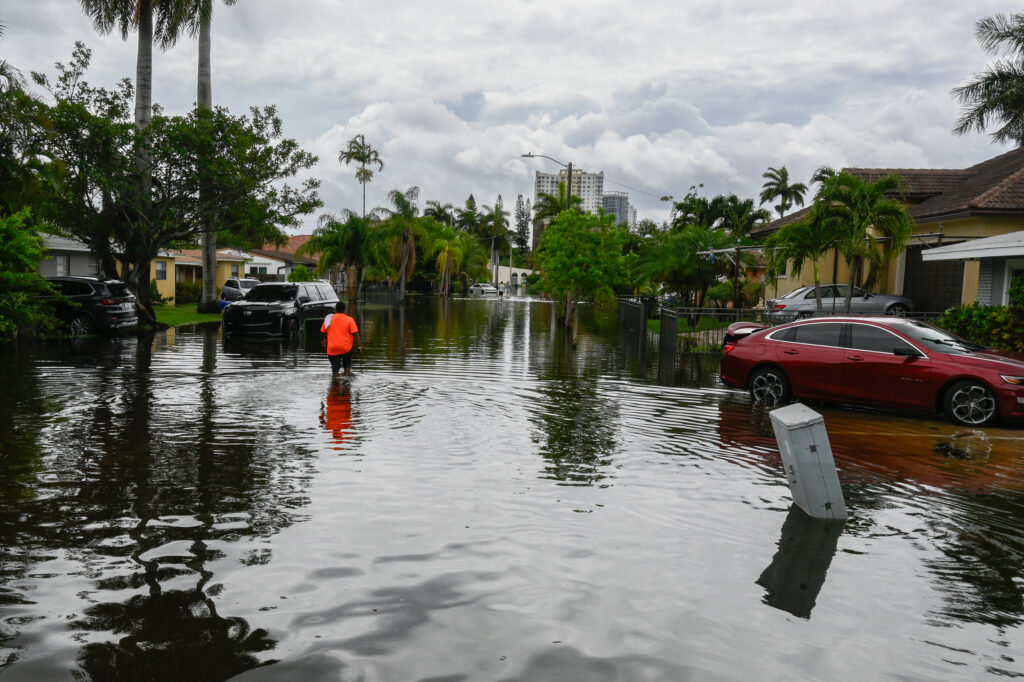
Just before Halloween, king‑tide waters surged through South Florida, submerging roads and forcing residents to navigate shin‑high water, officials said it was the most intense event on record.
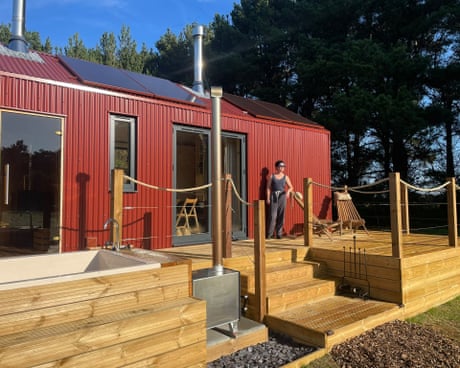
The federal government has unveiled a multibillion‑dollar strategy to mitigate future flooding in the Miami area by raising homes up to a dozen feet. The plan targets neighborhoods slated to begin work in six years.
The U.S. Army Corps of Engineers first outlined a scheme two years ago to lift 2,057 residences in Miami‑Dade County, including Aventura, Bal Harbour, Miami, Miami Beach and Surfside. In August, the Corps expanded the list with an additional 2,800 single‑family homes and 430 small multifamily buildings, with construction projected to start in 2032 and run for up to 15 years.
“It’s not going to be close to that amount,” predicted Vivek Srikrishnan, an assistant professor of biological and environmental engineering at Cornell University, noting the substantial barriers that could curb participation.
Raising homes is only one element of the Corps’ multi‑pronged approach, which also includes flood‑proofing critical infrastructure such as fire and police stations and employing nature‑based solutions like planting mangrove trees to serve as buffers.
The federal government would shoulder roughly two‑thirds of the projected $7 billion price tag. However, the success of the effort hinges on widespread homeowner involvement, a challenge the Corps has already observed in earlier large‑scale projects in New York City and Louisiana.
Those prior attempts fell short of their projected numbers, hampered by the time required, the need for compliance with building codes, and a lack of assistance for owners who would need to relocate temporarily.
As Miami braces for rising sea levels and more frequent deluges, the ambitious elevation plan remains under scrutiny, with experts urging realistic expectations about participation and execution.