Democratic Lawmakers Challenge OSHA’s Proposed Respirator Rule Rollback
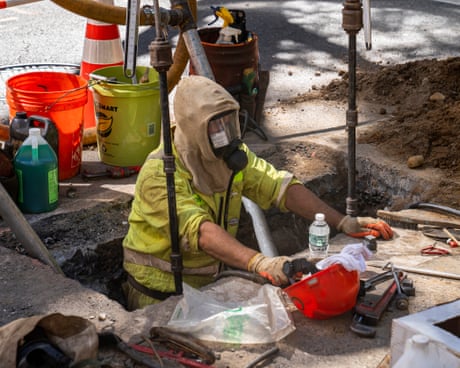
A coalition of senators, representatives, unions and safety experts warned OSHA that its draft changes could weaken protection for workers handling hazardous chemicals.
Lawmakers demand a halt to OSHA’s respirator proposal
Senators Elizabeth Warren, Chris Van Hollen and Cory Booker, together with Representatives Pramila Jayapal, Rashida Tlaib and Jasmine Crockett, signed a letter to OSHA assistant secretary David Keeling urging the agency to abandon a draft rule that would ease requirements for providing respirator masks to employees exposed to hazardous substances.
The proposed changes would allow employers to face fewer obligations to supply respirators when workers handle chemicals such as lead, asbestos, formaldehyde and inorganic arsenic, and would also eliminate a mandate for medical evaluations for certain respirator users.
Health stakes cited by lawmakers
The signatories highlighted that more than 5,000 Americans die each year from work‑related respiratory illnesses, and noted recent upticks in conditions like silicosis and coal‑related pneumoconiosis linked to increased silica exposure in artificial stone and coal seams.
They criticized OSHA for issuing the proposal in July 2025 without the required evidentiary support or a proper information‑gathering process, and for holding a procedural hearing in August while Congress was in recess, limiting legislative oversight.
Procedural concerns and broader deregulation context
According to the letter, typical OSHA standards take years to progress through the rulemaking steps that these respirator changes have traversed in just a few months.
The lawmakers framed the rollout as part of a larger deregulatory push that began under the previous administration, which had put forward more than 60 rule changes at the Department of Labor in the prior year.
Industry and expert pushback
Several unions and safety experts, including the Advisory Committee on Construction Safety and Health, the American Industrial Hygiene Association, National Nurses United and North America’s Building Trades Unions, joined the opposition, warning that weakening standards could endanger workers.
The Associated General Contractors of America added that strong safety regulations ultimately protect contractors financially, and any short‑term deregulation benefits could be offset by future liability.
Budget cuts and staffing declines
Republicans have proposed cutting OSHA’s budget by more than 8 % for fiscal year 2027. The agency’s inspection count fell by 20 % in 2025, and it lost 223 full‑time employees through buyouts and early retirements during the previous administration’s effort to reduce the federal workforce.
OSHA did not immediately respond to a request for comment.