CPS Contact Linked to Higher School Absenteeism, Study Shows
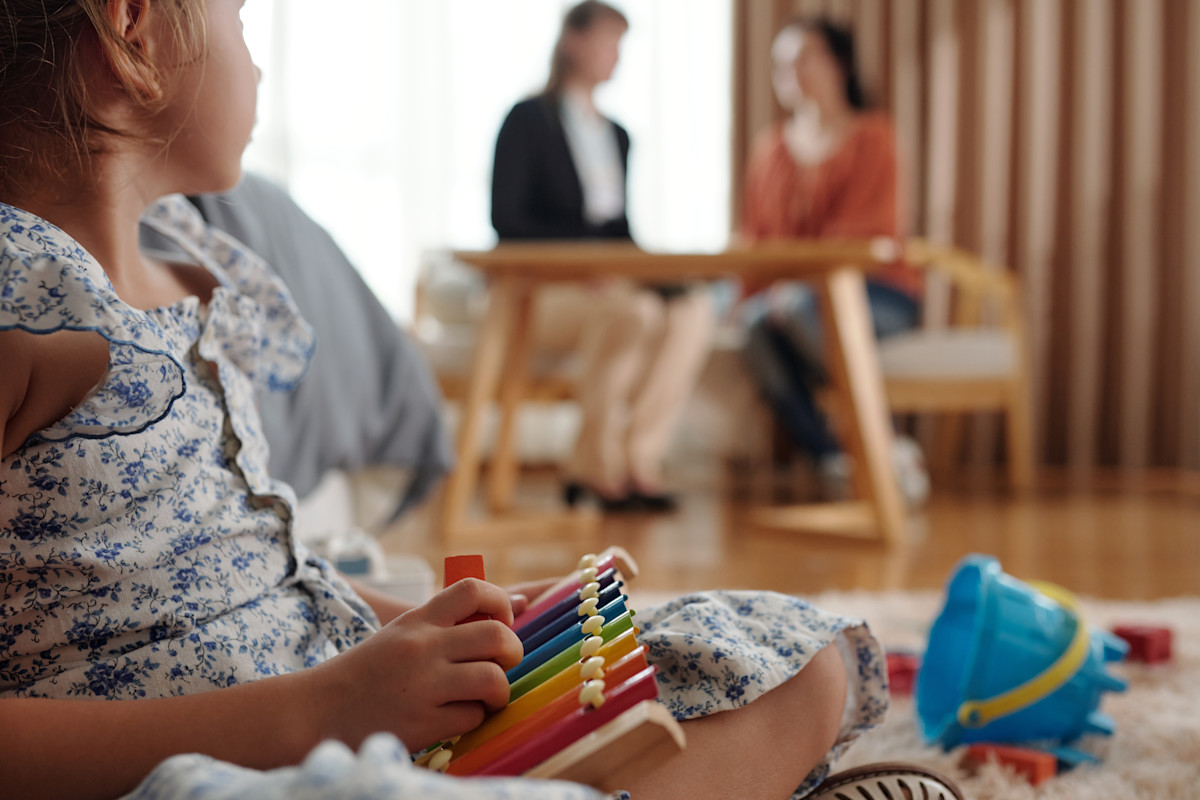
Children who have interacted with Child Protective Services by age 15 miss more school, and stronger school ties may help.
Research published in Children and Youth Services Review finds that adolescents who have had contact with Child Protective Services (CPS) by age 15 are more likely to miss school, whether for health‑related reasons or truancy, than classmates without CPS contact.
Scope of the Findings
The analysis draws on the Future of Families and Child Wellbeing Study, which followed 3,334 youths born between 1998 and 2000 across 20 U.S. cities from birth through age 15. Participants and their parents reported attendance, while students answered surveys measuring “school connectedness” – defined as feeling close to people at school, feeling part of the school, feeling happy to be at school, and feeling safe.
Absenteeism and CPS Contact
Students who experienced a CPS investigation reported more absences, both excused and unexcused. The study does not determine why this group accumulates more missed days, noting that further research is required.
School Connectedness as a Buffer
Those with CPS contact also reported lower levels of school connectedness. While the study found that all children benefit from interventions that increase connectedness—such as inclusive environments, extracurricular activities, and stronger teacher‑student relationships—these measures did not narrow the attendance gap between CPS‑involved students and their peers.
Teacher Involvement and Early Warning Systems
Students with CPS histories were more likely to have teachers discuss absences with their families. However, lead researcher Arya Ansari notes that early warning systems that simply inform parents about missed days have a modest impact and do not significantly raise attendance for students missing up to 40 days a year, many of whom face household instability and food insecurity.
Context of CPS Involvement
In 2024, CPS investigated nearly 3 million children, according to a U.S. Department of Health and Human Services report. Those with CPS contact were more often born to Black, U.S.-native, English‑speaking mothers who were younger, in poorer health, and more likely to have used substances during pregnancy.
Implications for Schools
Ansari emphasizes that fostering a strong sense of belonging may be “one key strategy” for improving attendance across the board. Resources cited include extracurricular programs, which a 2023 study in Applied Developmental Science linked to heightened feelings of belonging.
Understanding how school connectedness interacts with CPS contact could help educators design more targeted approaches to support attendance and overall well‑being for this vulnerable population.