Climate‑Wrecked Homeownership Threatens the American Dream
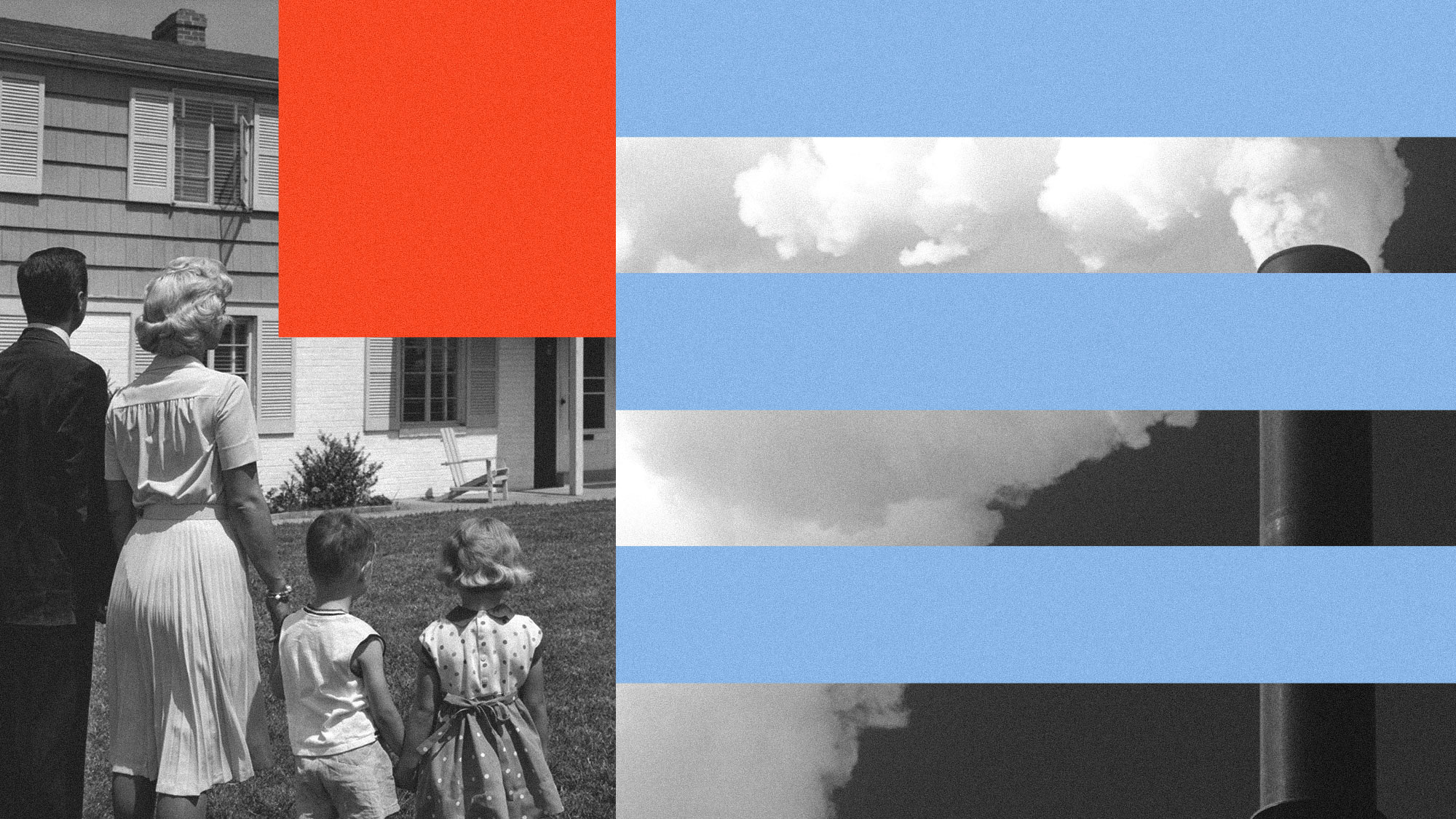
A young couple’s brush with flood‑damage in Asheville illustrates how climate risk is reshaping the promise of owning a home.
From Picket Fence to Flooded Basement
When 26‑year‑old Sierra Isley and her girlfriend Jamie set out from Philadelphia for Asheville, North Carolina, they imagined a three‑bedroom brick house with “lots of natural light and a big tree out front” as the first step toward the classic American Dream. After a parental‑aided deposit, the offer was accepted—until a massive lien forced them to abandon the purchase and rent instead.
Only a month later, remnants of Hurricane Helene turned Asheville into a disaster zone. The couple’s apartment basement flooded, forcing them to haul water to the toilet, cook in a Crock‑Pot with disposable liners, and eventually seek refuge with Jamie’s parents in Atlanta.
Homeownership’s Fragile Foundations
Owning a home has long been touted as a pathway to wealth, education funding, and retirement security. Yet fires and floods are eroding that foundation. First Street’s “Property Prices in Peril” report warned last year that climate risks could shave nearly $1.5 trillion off American home values by 2055. Sociologist Rebecca Elliott warned that the dream “may become a nightmare.”
Public Perception Shifts
Exclusive polling for Grist by Data for Progress found that 58 percent of likely U.S. voters think climate change will hinder their ability to achieve the American Dream within 20 years; the figure includes 42 percent of Republicans. The survey suggests climate‑driven cost‑of‑living concerns could influence the upcoming midterm elections.
Fossil Fuels, Politics, and the Dream
For a century, oil and gas firms have linked their products to comfort and prosperity, a narrative reinforced by politicians. The Trump administration framed deregulation of emissions standards as “restoring the American Dream.” Yet the same fossil‑fuel‑driven growth now fuels the climate threats that jeopardize that dream.
Asheville’s “Climate Haven” Tested
Isley, who previously fled hurricanes in Florida, believed the Blue Ridge Mountains would be safer. In September 2024, almost 14 inches of rain caused the French Broad River to overflow, damaging more than 74 000 homes in western North Carolina. Only about 4 percent of those homes carried flood insurance, leading to $9.5 billion in uninsured residential losses.
Home values in the region have already slipped: Asheville’s average price fell 5 percent over the past year, while the national average rose 1.2 percent. A 2023 Nature Climate Change study noted that homes in FEMA’s high‑risk flood zones sell for 2.8 percent less on average, yet remain overvalued by $121 billion to $237 billion, with Appalachia flagged as a hotspot before Helene struck.
Economic and Social Fallout
Elliott described the uneven devaluation of high‑risk homes as causing “tremendous social harm.” After Superstorm Sandy in 2012, many owners could not sell for enough to buy elsewhere, leaving them stranded. Even properties that have not yet been hit risk losing value as buyers shy away from floodplains, coasts, and wildfire zones. Elliott warned that such homes could become “economically worthless even before they are physically uninhabitable.”
Insurance: The Vanishing Safety Net
Douglas Heller of the Consumer Federation of America called property insurance “the safety net for the American Dream.” Since 2020, premiums have risen almost 80 percent, with the average single‑family mortgage holder now paying $209 per month. The surge in costs contributes to the growing unaffordability of homeownership, especially in the riskiest zones.
Looking Forward
Isley now browses Zillow with a “post‑disaster lens,” wary of any property near water. Jamie, who is trans, briefly considered moving to a state with stronger protective policies after the 2024 election, but dismissed California due to wildfire risk. Their experience underscores a broader dilemma: either Americans redefine the Dream away from oil‑fueled consumption, or climate change will dismantle it.
As the nation grapples with rising insurance bills, undervalued flood‑zone homes, and a public increasingly convinced that climate change threatens their future, the traditional promise of a house with a white picket fence looks less like a guarantee and more like a gamble.