China Views Yuan‑Dollar Competition as Pepsi vs. Coke, Scholar Says
A senior China scholar argues Beijing wants a usable yuan without challenging the dollar’s dominance.
Beijing’s strategy for the yuan is not to dethrone the U.S. dollar, according to Zongyuan Zoe Liu, senior fellow for China studies at the Council on Foreign Relations. In a recent Foreign Affairs piece, Liu explains that while China promotes the renminbi abroad, it avoids the responsibilities that come with being the world’s reserve currency.
Why China does not want dollar supremacy
Liu notes that becoming the primary global currency would require open capital markets, which could threaten the Communist Party’s control over capital allocation. Many Chinese elites also keep offshore dollar assets as a safeguard against domestic political risk. Consequently, China prefers to keep the dollar on top and uses yuan promotion to reduce the United States’ ability to weaponize the financial system, similar to the sanctions imposed on Russia after its 2022 invasion of Ukraine.
Pepsi to Coca‑Cola analogy
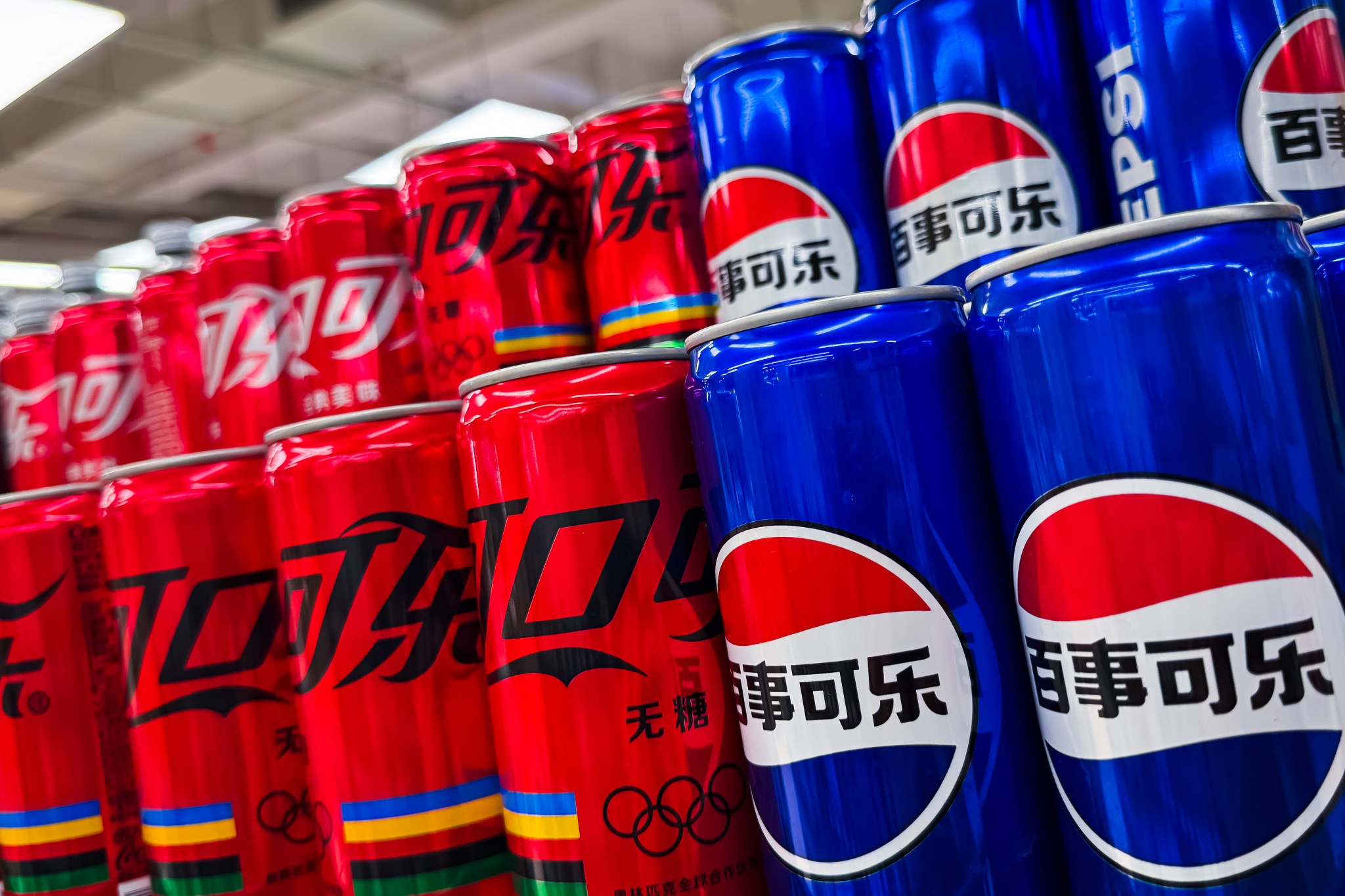
She likens the desired role of the yuan to “Pepsi to the dollar’s Coca‑Cola”: never the market leader, but serviceable when needed and capable of keeping the dominant currency honest. A respectable second or even a consequential third currency, Liu argues, would break the dollar’s effective monopoly and limit unilateral U.S. sanctions without the cost of sustaining full currency supremacy.
Current reach of the yuan
Renminbi use is facilitated among firms in more than a hundred countries across an expanding set of commodity markets.
As of June, the Cross‑Border Interbank Payment System had 1,829 participants able to send payments to over 5,200 banks in 191 countries.
Chinese banks have more than doubled yuan lending to overseas borrowers between 2023 and mid‑2026.
The People’s Bank of China has currency‑swap agreements with 32 foreign central banks and monetary authorities.
State firms have begun settling cargo insurance in yuan, modestly increasing the currency’s presence in risk‑transfer markets.
Limits to a full‑scale yuan ecosystem
Liu points out that a global currency must handle pricing, financing, risk transfer, and reinvestment. While Chinese exporters still invoice in dollars and convert to yuan before entering China, the government is promoting “China prices” on domestic commodity exchanges, with success in lithium benchmarks.
Financing is gaining traction, but reinvestment remains weak. Foreign investors held only 1.6% of China’s bond market in March, compared with 27% of the U.S. bond market. Without a larger pool of freely tradable renminbi assets, the yuan cannot approach the dollar’s status.
Potential “green yuan” pathway
Liu suggests that, like the petrodollar’s anchoring of oil trade, the yuan could dominate trade in essential goods that China controls—critical minerals, clean‑energy equipment, and electrical infrastructure for green technology. If China consolidates dominance over this industrial ecosystem, it could price those exports in yuan, laying the groundwork for a “green yuan” that might eventually challenge the petrodollar.
Geopolitical backdrop
The ongoing Iran conflict has raised questions about the petrodollar’s future. The original 1974 agreement that priced Saudi oil in dollars and recycled surplus dollars into U.S. assets is under strain as U.S. naval protection in the Strait of Hormuz remains limited. Deutsche Bank warned in March that damage to Gulf economies could trigger an unwind of foreign‑asset savings, and reports of yuan‑priced oil shipments through the strait are being closely watched as a possible catalyst for a “petroyuan.”
In summary, Beijing’s yuan strategy aims for a functional, second‑tier currency that can blunt U.S. financial leverage while avoiding the political and economic costs of full reserve‑currency status.