30,000‑year‑old DNA shows Ice Age Europeans were far more connected than thought
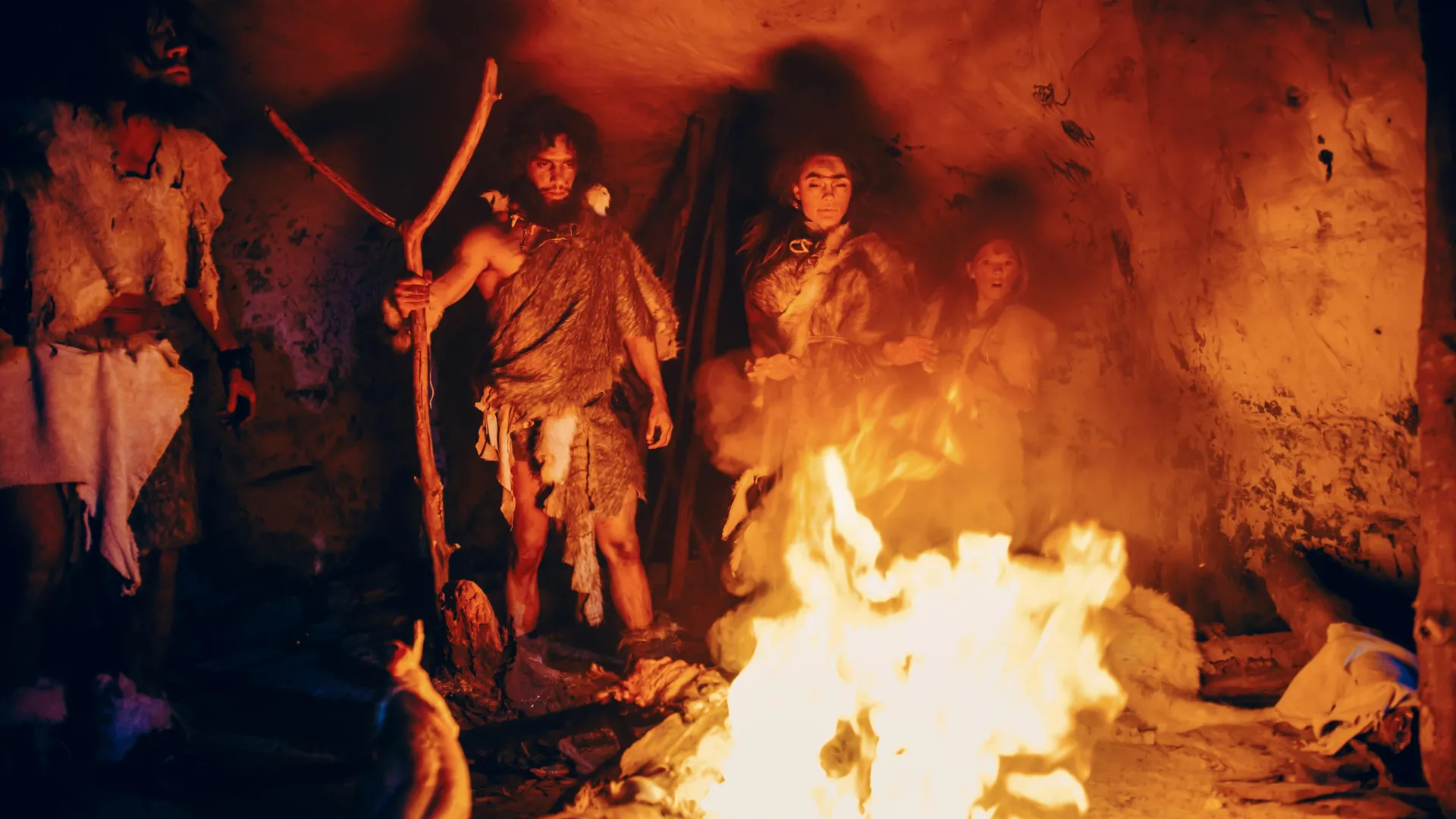
New genetic analysis of ancient remains and cave sediments reveals extensive gene flow across Ice Age Europe.
Ancient genomes rewrite Ice Age connections
Scientists analysing DNA that is more than 30,000 years old have discovered that people living across Ice Age Europe were far more linked than earlier studies suggested. The work, led by the University of Vienna and published in Science Advances, combines genetic data from rare human bones with DNA extracted directly from cave sediments.
Gravettian groups were not isolated
The study focuses on the Gravettian culture, which flourished roughly between 34,000 and 25,000 years ago. Archaeologists have long suspected long‑distance contacts, but prior genetic evidence pointed to distinct eastern and western ancestry groups. By merging new DNA results with previously collected genomes, the team uncovered clear signs of inter‑regional gene flow.
Case study: a woman from Isturitz Cave
A key find comes from a woman who lived about 30,000 years ago in what is now southwestern France. Her remains, recovered from Isturitz Cave, yielded the oldest genome‑wide dataset for a modern human in that part of Europe. While most of her ancestry aligns with western European populations, a notable portion links to central and eastern European groups.
Genetic modelling places the mixing event around 32,500 to 31,500 years ago, indicating that connections across large parts of Europe existed much earlier than previously documented.
Quote from first author Pere Gelabert: “Our results show that eastern and western European populations were not as genetically isolated as previously assumed.”
The same mixed genetic signature appears in another individual previously studied at Ormesson, France, supporting the idea that sites like Isturitz served as meeting points for diverse groups.
Persistent regional ancestry in the west
Not all groups were constantly mixing. Evidence from Chufín Cave in northern Spain shows that western European ancestry persisted in southwestern Europe for thousands of years, suggesting long‑term regional continuity.
DNA from cave sediments opens new windows
The researchers also employed a technique that recovers human DNA directly from sediment layers, even when no bones are present. At El Mirón Cave in Cantabria, Spain, they extracted nuclear DNA from a layer dated to about 22,000 years ago, despite the absence of any identifiable human remains. This approach provides genetic insight into populations that have left no skeletal record.
Overall, the findings challenge the long‑standing view of isolated eastern and western Paleolithic groups and highlight a more complex web of interaction, migration, and survival across Ice Age Europe.