Alaskans Brace for Heavy Snow as NWS Issues Fairbanks Winter Storm Warning
A fresh winter storm warning has sent search traffic soaring as Alaska prepares for up to 18 inches of snow and strong winds.
What the warning actually says
According to Yahoo, the National Weather Service (NWS) Fairbanks office issued a winter storm warning that runs from 2 p.m. ET Tuesday to 8 p.m. ET Thursday. The alert covers the south slopes of the Western Brooks Range and the Noatak Valley, including places like Red Dog Mine, Noatak and Walker Lake. Forecast totals range from 6 to 18 inches of snow, with wind gusts reaching 35 mph and blowing snow that could sharply reduce visibility.
Why everyone’s Googling it
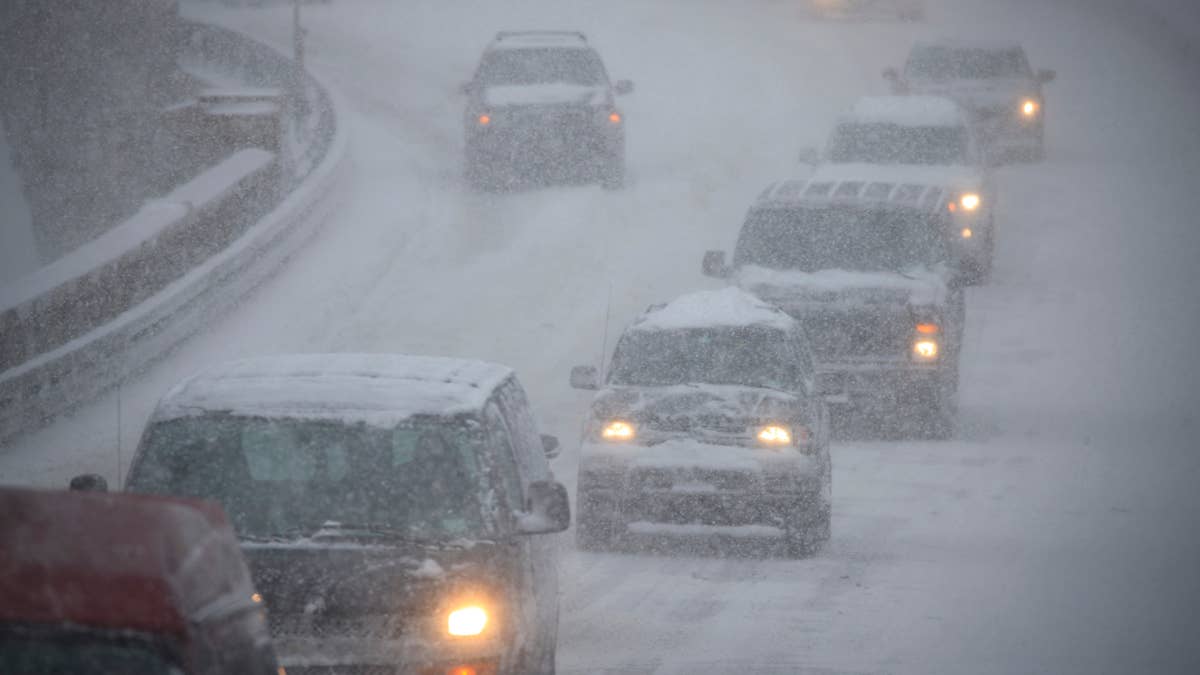
The combination of heavy snowfall, strong winds, and low visibility makes travel hazardous. Both Autoblog and The Sunday Guardian Live note that visibility could fall to a quarter mile or less, a distance that “can shrink without warning as bands move through.” Drivers are being urged to keep headlights on, especially on two‑lane highways where a slower vehicle may appear suddenly.
Roads that could turn into whiteouts
The Parks Highway, the main link between Anchorage and Fairbanks, is highlighted by Autoblog as a critical corridor where low visibility and rapidly accumulating snow are expected. The Denali Highway, a seasonal route, is also named in the warning, though it is only maintained through Oct. 1 this year. Alaska DOT&PF advises motorists to stay at least 200 feet behind snow‑removal equipment, because plows can create whiteout conditions for vehicles that follow too closely.
Practical tips for drivers
Both Autoblog and Yahoo stress the importance of manual headlights. Daytime running lights often leave taillights off, so turning on the headlights “lights up the rear of the vehicle.” The guidance also mentions that snow can cover radar units and camera lenses that support driver‑assist features, potentially disabling automatic emergency braking and lane‑keeping assist. Keeping lenses clean is recommended for continued sensor performance.
What happens when the temperature rises?
Yahoo reports that Friday afternoon temperatures are expected to climb above freezing. This shift could turn the fresh snow into rain or slush, making stopping distances longer. The same source notes that the NWS advises anyone traveling to carry an extra flashlight, food and water in the vehicle.
What’s still uncertain?
While the forecasts give clear ranges for snowfall and wind, the exact timing of the heaviest bands and the precise impact on individual road segments remain variable. The Sunday Guardian Live mentions that wind speeds could reach up to 65 mph in some areas, but specific locations for those gusts are not detailed. Travelers should therefore monitor local road‑condition updates as the storm evolves.
Bottom line
Alaska is under a serious winter storm warning that could dump up to 18 inches of snow, bring strong gusts, and create near‑zero visibility on key highways. Drivers are being told to use headlights, keep distance from plows, and be prepared for changing road conditions as temperatures rise. Staying informed and equipped is the best way to navigate this winter challenge.