The Real Deal Behind Venison Casserole Recipes
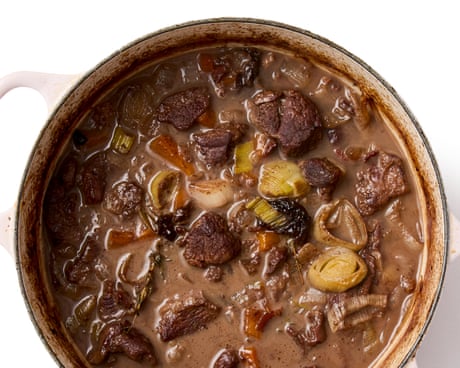
A skeptical look at the myriad venison casserole methods and what actually works.
Choosing the Right Cut
Most recipes assume you’ll be using whatever venison chunks are sold, but several chefs name specific cuts. Caroline Conran points to leg or haunch, Gary Rhodes insists on haunch or neck, and David Eyre favors a whole shoulder for its superior marbling. The only cut consistently warned against is the saddle, deemed too tender for slow cooking.
Marinade Myths
John William of Raasay recommends an overnight soak in “gutsy red wine.” However, chemist Hervé This notes that alcohol needs several days to tenderise meat, and flavour penetration is only a few millimetres deep. Marinating is optional, but the pot’s own flavour mingling may be sufficient.
Chunk Size and Cooking Time
Rhodes advises cutting meat into large pieces rather than dicing, claiming better texture and taste. After testing, larger two‑bite chunks do stay juicier. Despite concerns, they cook through in the recommended oven time.
Vegetable Foundations
All recipes start with onions; some swap in shallots for extra sweetness. Rhodes and Eyre add carrot and celery, while Eyre also includes leek. Clarissa Dickson Wright champions beetroot for its earthy sweetness, though the author cautions against expecting it to tenderise meat.
Sweet Elements and Fat Balance
Prunes and redcurrant jelly appear in multiple versions, providing fruitiness that pairs well with venison. Pickled walnuts are suggested for a sweet‑and‑sour twist, with testers noting they blend into the gravy without overwhelming sweetness. Bacon is commonly used for added savoury fat; if pork is undesirable, extra oil and Worcestershire sauce can substitute.
Herbs, Spices and Stock
Rhodes adds bay leaf, while Dickson Wright and Eyre use thyme; Eyre also includes parsley stalks and Conran recommends juniper berries. For liquid, options range from beef stock (Conran) to vegetable stock (Macdonald) to a game stock made from bones (Dickson Wright). Red wine is a frequent component, but can be swapped for more stock, a splash of port, or extra jelly and lemon if desired.
Cooking Method and Timing
Except for Conran, the casseroles are baked rather than simmered on the hob. The author finds a steady oven simmer at 160 °C for two hours sufficient for both Eyre and Dickson Wright’s versions. Overnight low‑heat cooking is possible (William), but not necessary. Baking potatoes alongside the casserole is suggested to maximise fuel efficiency.
Finishing Touches
Claire Macdonald’s “twice cooking” tip advises removing the casserole after 90 minutes, then reheating for a half‑hour before serving, claiming significantly improved flavour. The dish also freezes well, making it a convenient make‑ahead option for winter entertaining.
In short, the perfect venison casserole hinges on choosing a well‑marbled cut, balancing lean meat with fats and fruit, and giving it a low‑and‑slow bake—preferably with a second heat‑through for maximum depth.