Readers Reveal the Non‑Horror Films That Haunt Them Most
Guardian readers shared the movies that gave them genuine, lingering terror despite belonging to other genres.
When Drama Turns Into Nightmare
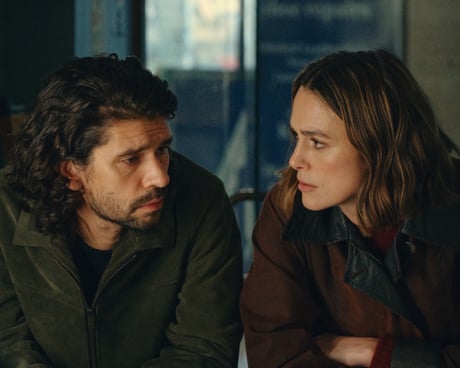
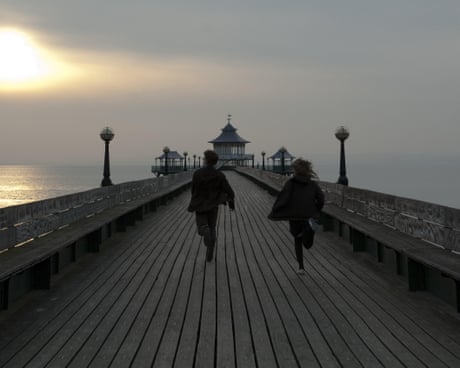
Never Let Me Go was called “ostensibly a sci‑fi (alternative reality) drama” whose central premise “is terrifying” and whose ending “still preys on my mind.”
Another Guardian reader praised The Truman Show as “one of the best horror‑non‑horrors ever made,” noting that the film’s premise—“Your friends, family, job are all lies…Your deepest paranoia is real”—made it “scary as fuck.”
Graphic Violence That Stays With You
A commenter described a film where “the murder of the taxi driver is utterly excruciating and the hanging at the end equally so,” emphasizing that both scenes are shown in full, in close‑up and in real time, leaving the audience “palpable” with unease.
Another viewer recalled a scene in which a condemned man smokes his last cigarette in full, adding to the “unease (to put it mildly) of the audience.”
Psychological Terror in Unlikely Settings
One reader recounted a “brainwashing sequence” that “scared the living daylights out of me,” saying it made it impossible to watch Angela Lansbury “without a shiver going down my spine.”
An Australian film about a stranded teacher was described as “not a horror movie, but horrifying,” with the “dark side of the town and of a certain type of Australian culture” revealed until the ending became “utter bleakness.”
Childhood Horrors That Linger
Two commenters named Watership Down as the most frightening film of their lives. One recalled seeing it in 1978 at the Birkenhead Odeon and being haunted by “the rabbits crushed together in plugged and gassed burrows, blood‑red eyes and gasping desperately for air,” while another said the film “has some very memorable scenes” that still induce nightmares.
Real‑World Inspired Dread
A user highlighted a movie portraying “mountain village clan feuds, superstition and the mass delusion” that was “roughly inspired by a real‑life massacre, in Bilge in 2009,” calling it “very scary.”
Another comment described United 93 as “as horrific a film as I’ve seen,” noting the “mundanity of the run up to it, not showing the villains as pantomime characters and knowing the outcome” amplified the horror.
Stories of Exploitation and Extinction
One participant called Lilya 4‑Ever “a harrowing journey” through a young girl’s “seduced and then sex‑trafficked” experience, calling it “excellent, but grim – oh, so grim – and it left me feeling hollowed out afterwards.”
Another described the “existential dread of an extinction level event” as “so lyrically and beautifully evoked,” embodying “the desolate inevitability of the end of all things.”
Unconventional Narrative Forms
A Ukrainian film set in a deaf school, told entirely in sign language with no subtitles, was called “particularly grim and shattering,” leaving the viewer hardly able to speak after leaving the cinema.
These varied responses demonstrate that terror can arise from any genre when a film taps into deep‑seated fears about control, mortality, and the unknown.