How Visiting Yorkshire’s Puffin Cliffs Supports Britain’s Seabird Conservation
A family’s annual trip to Bempton Cliffs illustrates how visitor spending and volunteer effort help protect puffins and other seabirds.
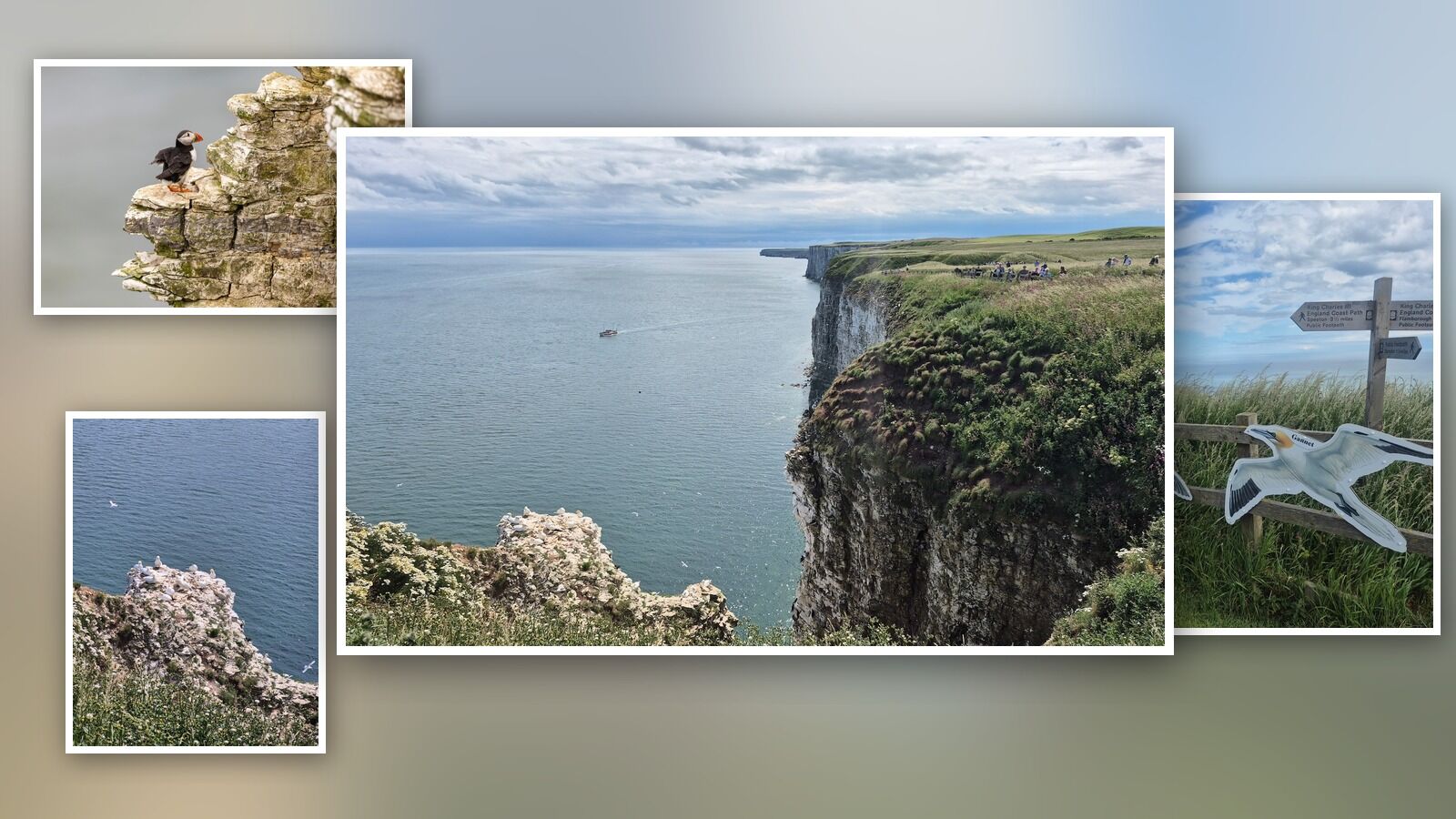
Since moving to Chile five years ago, the author’s family has made a tradition of returning to the Yorkshire coast to look for puffins. They travel to Bempton Cliffs, a reserve managed by the Royal Society for the Protection of Birds (RSPB), and rely on volunteers and borrowed binoculars to spot the black‑and‑white birds.
RSPB reserves and their funding model
Bempton Cliffs is one of 220 nature reserves in the United Kingdom overseen by the RSPB, an independent conservation charity that began in the 19th century to oppose the use of feathers in fashion. The charity operates without government subsidies, instead drawing on membership subscriptions, donations, grants and visitor income to finance its work. Each visit therefore contributes directly to the protection of the sites.
Seabird gatherings at Bempton Cliffs
Between March and August, roughly half a million seabirds occupy the chalky cliffs of England’s northeast coast. The peak viewing period for Atlantic puffins—about 1,500 breeding pairs—runs from May to June. The cliffs also support England’s only mainland gannet colony, as well as kittiwakes, guillemots and razorbills. Visitors often share binoculars, exchange recent sightings and even trade camera rolls, creating a collaborative atmosphere.
Visitor experiences and education
Marked trails, overlooks and hides allow people to watch birds without disturbance. The RSPB runs regular events such as guided birding walks, pond‑dipping, small‑mammal safaris and “binocular open” weekends. According to Neil Boyes, Head of Visitor Operations for the RSPB, these activities aim to be inclusive, welcoming both first‑time nature‑reserve visitors and seasoned birders.
Volunteer involvement
Volunteers are central to the RSPB’s operations. Boyes notes that around 12,000 people donate their time, helping with habitat management, wildlife surveys and visitor assistance. At sites like Loch Garten in Scotland, volunteers once guarded an osprey nest around the clock, a practice that helped re‑establish the species after it had been driven to local extinction.
Conservation challenges and recent successes
Climate change and overfishing have placed puffins among the 70 species on the UK’s Birds of Conservation Concern Red List, the highest threat category. After 25 years of campaigning, a ban on industrial sandeel fishing announced for 2024 could move puffins and kittiwakes to the Amber category, indicating reduced risk.
Boyes warns that “one in six species” in Great Britain is at risk of extinction and stresses that “taking action to help save nature is something every one of us can do.” Engaging more people, he says, is essential for delivering conservation at the scale required.
Economic impact of reserve visits
Visitor numbers at Bempton climbed to 135,561 in 2025, an 18 percent rise from the previous year, boosting local restaurants and hotels. Partnerships such as the one with Certified B Corporation Holiday Cottages link each booking to the planting of one square metre of woodland. The site is accessible by public transport, with a one‑mile walk from the train station making a day trip feasible.
Why the family keeps returning
Even when puffins are absent, the family values the sense of belonging and the knowledge that their visits support conservation. The experience, they say, is less about checking a species off a list and more about contributing to a place they love.