How a 3D Printer Can Cut Costs in Popular Hobbies
A modest 3D printer can replace pricey components in drones, gardening, smart‑home projects and more.
What a 3D printer actually does
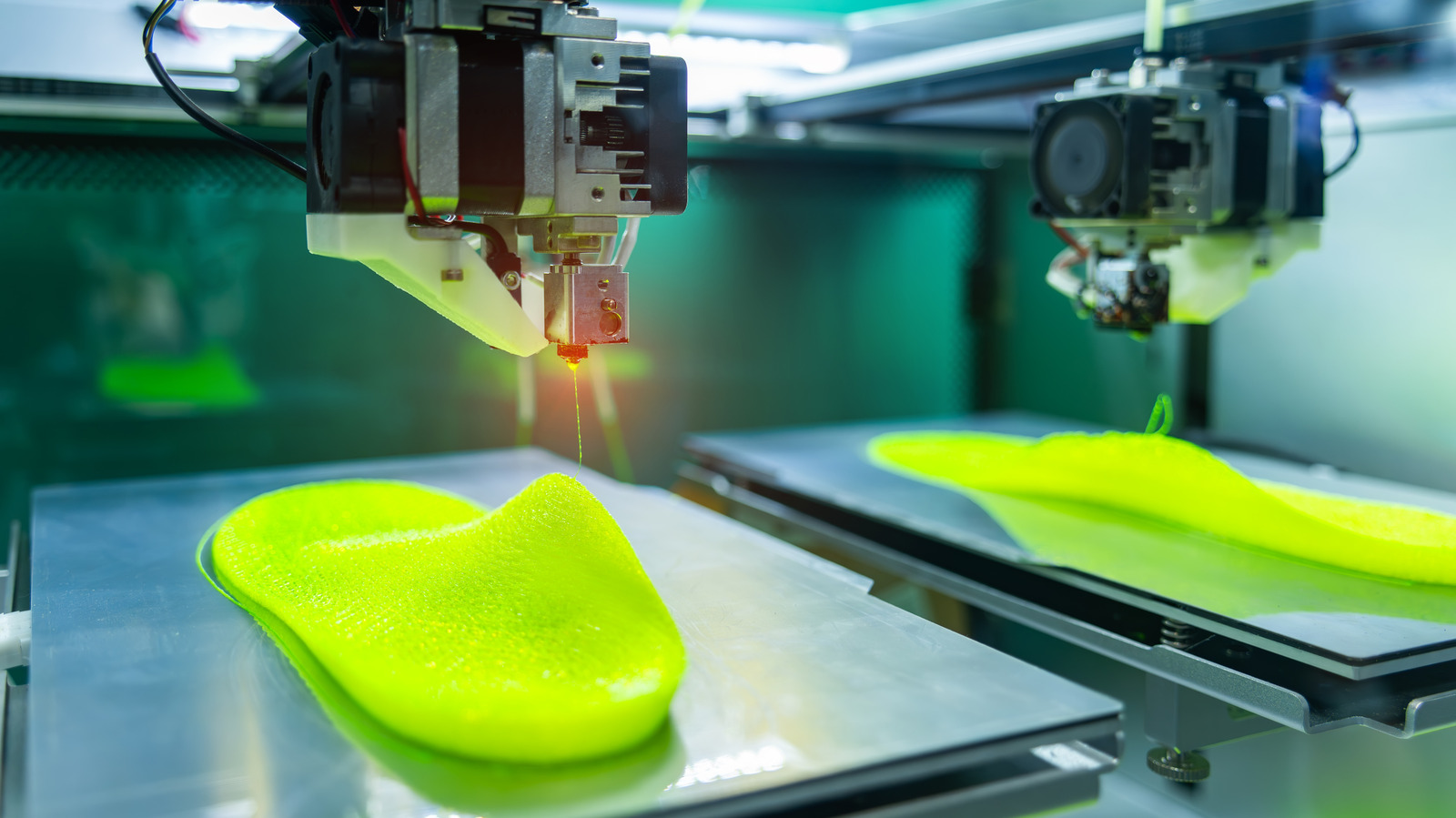
3D printing, also called additive manufacturing, builds objects from digital designs. Designs can be downloaded or created by the user. Most home machines use FDM (fused deposition modeling) where a plastic filament—commonly PLA—is melted and extruded through a heated nozzle.
Entry‑level models such as the Creality Ender‑3 V3 SE start at roughly $170, while more advanced units can exceed $700. Filament typically costs about $20 per kilogram. If a kilogram yields dozens of small items, the per‑item cost can fall well below the price of comparable store‑bought parts.
Drone and remote‑controlled vehicle enthusiasts
Drone hobbyists often need to replace non‑critical components after crashes. Online modeling sites host entire libraries of drone parts, from camera mounts to antenna guards. While flight‑critical pieces like propellers should be printed only after thorough validation, many accessories can be produced cheaply at home, turning a $10 replacement into a fraction of that cost.
Garden and garage fixes
People who tend gardens or work in garages regularly encounter small, specialized parts. Items such as signage, plastic clips, planters, soil dibbers, bird feeders, car interior pieces, broken knobs, tool organizers, wrenches and custom vises can all be printed on demand, often cheaper than buying them in bulk or as specialty items.
Home‑automation projects
Smart‑home builders can print cable‑management brackets, shelving for hubs, wall mounts and other spare parts. For example, NFC stickers used to trigger devices can be housed in custom‑printed enclosures, or a chassis for a Home Assistant touch screen can be fabricated at a fraction of the cost of Apple’s $299 HomeView. Tablet wall mounts are also easy to produce.
Photography and video gear
Camera accessories such as lens caps, cable clamps and battery holders often carry a premium price tag. With a 3D printer, hobbyists can produce universal lens caps for just a few cents. Additional printable items include V‑lock battery plates, microphone mounts, lighting brackets, selfie handles and compact tripods, all of which can be customized for specific shooting needs.
Gaming, tabletop and model‑railroad hobbies
Players of Dungeons & Dragons, board gamers and model‑railroad enthusiasts can download or design figures, monsters, buildings, trees, terrain pieces and even railroad sidings. Sites like MyMiniFactory host a thriving marketplace of such models. While detailed resin printers are preferred for high‑resolution pieces, an FDM printer can still produce durable dice and basic accessories, reducing the risk of losing them.
Things to consider before buying
Potential buyers should evaluate how often they will use the printer, their comfort with CAD software, and the true operating costs. Proper ventilation is essential, so the printer should not be placed in a living room or bedroom. Many libraries and maker spaces offer access to printers, and online services can print items for a fee, providing a low‑commitment way to test the technology.