European Supermarkets and U.S. Commissaries Face Fresh Refrigeration Cyber Outages
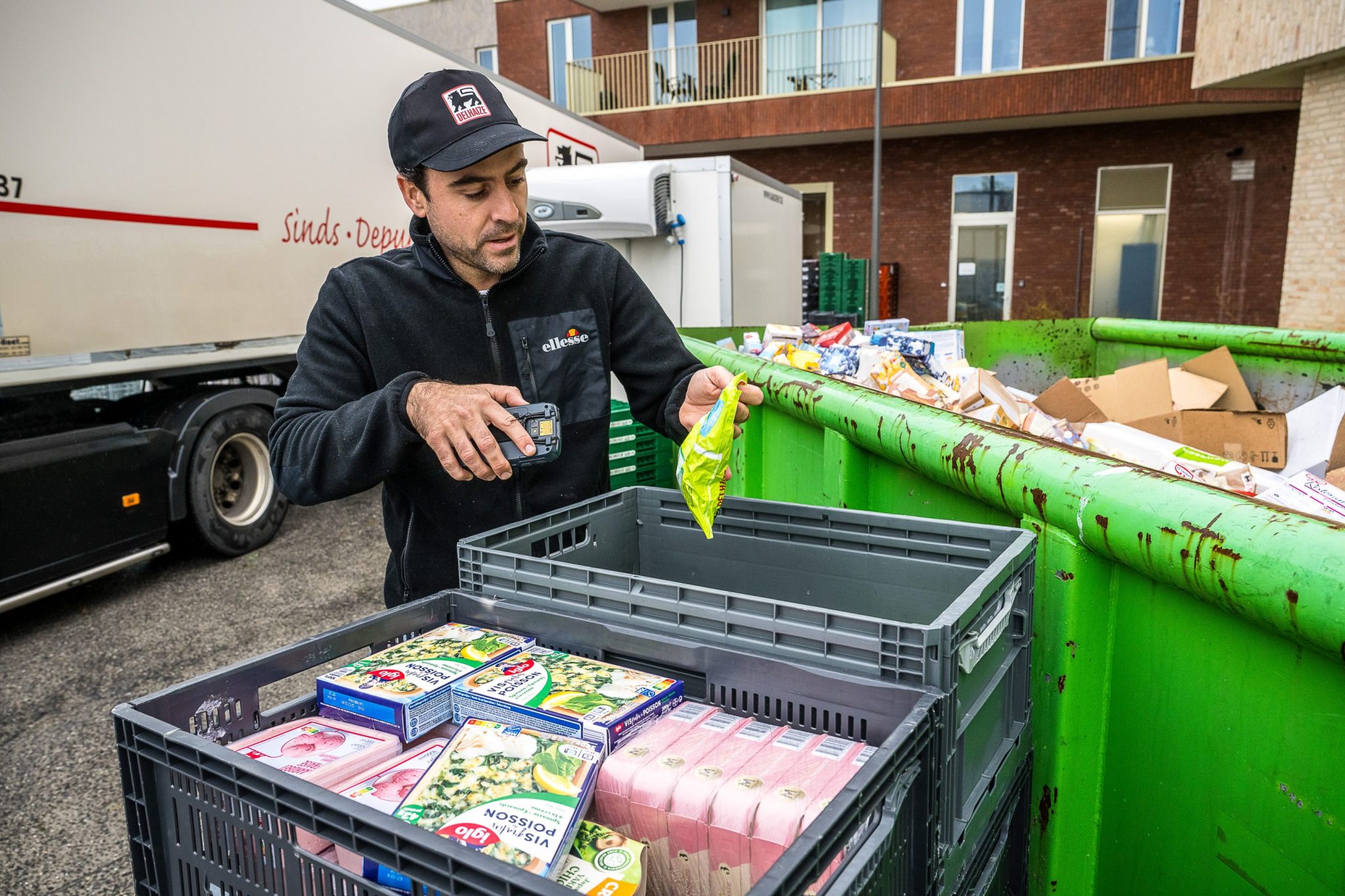
A wave of suspected cyberattacks has knocked out refrigeration units in supermarkets across Europe and U.S. military commissaries, prompting a Pentagon probe.
Outages ripple through European grocery chains
Stephan Moelans, chief executive of refrigeration installer Sabcobel, told Belgium’s Belga News Agency that roughly 20 refrigeration units at Delhaize, Carrefour and Spar stores failed from late Sunday night into Monday morning. He said technicians were mobilised at 1 a.m. to isolate the affected units from the network.
Swedish daily Aftonbladet reported comparable outages at ICA and Coop stores, while additional failures were noted in Luxembourg and Estonia. One Swedish outlet, ICA Kvantum Sjöbo, posted on Facebook that its refrigerators and freezers were hacked overnight and set to 50 °C (122 °F), forcing the store to discard all stored food.
Last month’s French hack provides a template
The current wave mirrors a coordinated attack on French supermarkets last month, when the temperature of refrigerators and freezers was raised, spoiling inventory and sparking small fires. The French incident affected 80 Carrefour locations, about 24 Monoprix sites and 150 Intermarché stores.
After the French attacks, Intermarché and E.Leclerc reported combined damages of roughly €270,000 (about $300,000), according to Sud Ouest. “You can’t unspoil food or other products from these freezers. It’s just euros and dollars down the drain,” said Christopher Whyte, associate professor at Virginia Commonwealth University.
U.S. military commissaries under scrutiny
In August, about half a dozen U.S. military commissaries experienced a similar refrigeration outage. The Pentagon has now opened an investigation that will consider both the French supermarket incidents and the commissary failures as potential cyberattacks.
Why refrigerators are attractive targets
Cybersecurity experts say the convergence of internet connectivity and low security priorities makes commercial refrigeration a ripe target. Nadiya Kostyuk, assistant professor at Carnegie Mellon’s Institute for Strategy and Technology, warned that many devices “have a lot of really cool features, but the security is not the first priority for them.”
Whyte added that commercial chains often use identical hardware across locations, meaning a single vulnerability can expose many sites, and that the immediate financial impact of spoiled goods makes the attacks especially lucrative.
Official responses
ICA told Fortune that the outages occurred in a limited number of stores using an external supplier with networks separate from ICA’s core systems, and that its central operations remained unaffected.
The European Commission declined immediate comment to Fortune but released a statement noting that the incident illustrates how cyberattacks can “disrupt services, affect businesses and directly affect citizens’ daily lives.”
As technicians continue to disconnect compromised units and restore temperature controls, the industry watches closely to see whether the Pentagon’s probe will link the European and U.S. incidents, or whether they remain isolated glitches in an increasingly connected world.