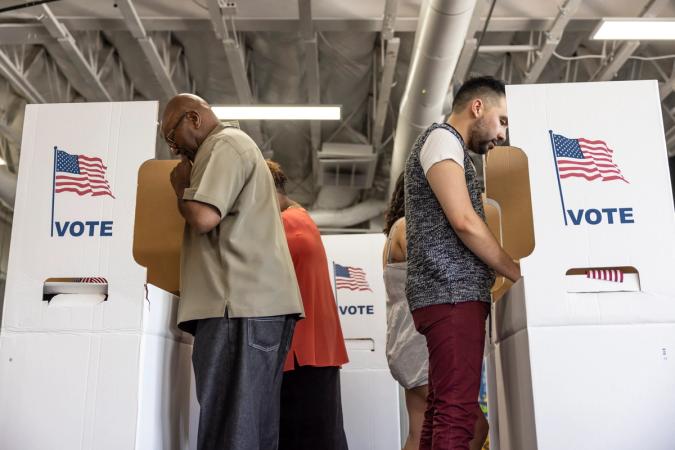
Crypto Industry Eyes 2026 Midterms as House Likely Flips, Senate Remains Uncertain
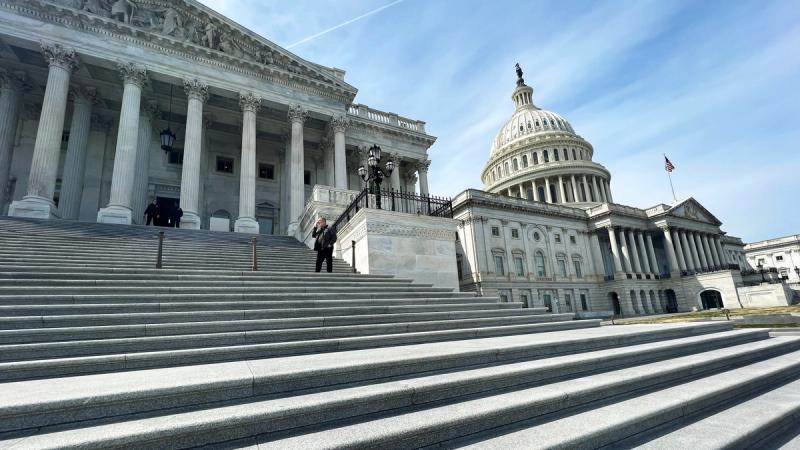
The 2026 U.S. midterm election may not reshape crypto as dramatically as 2024, but the balance of power in Congress will still matter.
Tuesday, Nov. 3 is election day in the United States, and the outcome will shape the crypto sector’s relationship with Washington over the next two years.
What the Midterms Mean for Crypto
The 2026 midterms lack the presidential‑level impact of the 2024 race, and there will be no new administration or turnover at the heads of key regulators. That doesn’t mean the industry will be untouched.
House and Senate Outlook
Current consensus points to a Democratic gain in the House of Representatives, while the Senate remains a “toss‑up.” The Cook Political Report projects a Democratic House win; the Senate projection is split.
Prediction‑market data align with that view: traders on Kalshi and Polymarket both see Democrats controlling the House and the Senate, and polls suggest Democrats need at least four additional seats to secure a Senate majority.
Regional Dynamics and Uncertainty
Sources in D.C. note that the Senate map is “far more competitive than it looked a year ago,” with state‑specific factors—such as the Ohio and Texas races—driving divergent outcomes. Ballot‑counting delays could push final Senate results into the following week.
Crypto Spending in the Race
The industry has spent over $170 million on the 2026 election, primarily through the Fairshake political action committee and its affiliates. More than $60 million of that sum targeted efforts to block former Senator Sherrod Brown’s bid to return to the Senate.
Fairshake and related PACs have also contributed to a variety of other contests as companies brace for the political landscape of 2027.
Industry Sentiment on Regulation
Ron Hammond, head of policy and advocacy at Wintermute, expects “a lot of oversight, but not necessarily a lot of legislation.” He warns that Democrats are campaigning on investigations into alleged presidential corruption, prompting crypto firms to scan for political risk.
Hammond adds that several House committees are likely to examine crypto‑related donations tied to projects such as the White House East Wing ballroom, Trump’s memecoin, World Liberty Financial, and other initiatives.
Taylor Barr, director of policy at Chainlink, emphasizes that the sector’s priority remains getting rules “written in pen and not pencil.”
How to Follow the Results
CoinDesk will host a live blog of the election results, featuring expert analysis. Readers can also join a Twitter Space with Justin Slaughter, Ron Hammond, and Jessica Martinez at 12:00 p.m. Eastern the day before the vote.
For ongoing coverage of crypto and government, the State of Crypto newsletter invites sign‑ups.
While the midterms may not overhaul the regulatory environment, the composition of Congress will still dictate the level of scrutiny and the pace at which definitive crypto rules emerge.