Crypto Card Startups Burn Cash to Offer Huge Rewards
Companies like KAST and Bleap are losing money on generous cashback and crypto‑return programs while hoping future services will turn the subsidies into profit.
Big Rewards, Bigger Losses
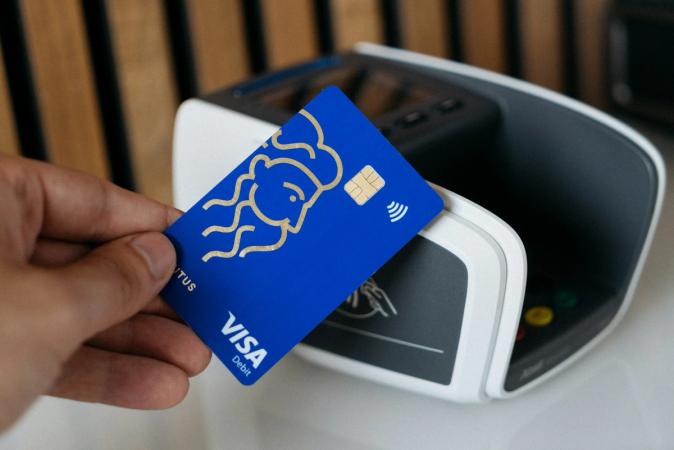
Crypto‑backed payment cards are advertising cash‑back limits, high yields on cash balances and deep discounts that appear hard to match elsewhere.
Two startups, KAST and Bleap, say the cost of attracting customers with these offers exceeds the revenue those customers currently generate.
KAST’s Subsidy Gap
KAST issues Visa cards backed by stablecoins and promotes an 8%‑12% reward rate on its Reserve account, varying by membership tier.
The assets that back the Reserve account yield only about 3.5%‑4%, meaning KAST must cover the difference.
CEO Raagulan Pathy told CoinDesk that Reserve had attracted “tens of millions of dollars” by September, and the subsidies were “costing the company a lot.”
Pathy said the company moved from “nearly break even” to “loss‑making” after increasing growth spending.
KAST raised $80 million in March from QED Investors and Left Lane Capital, giving it four to five years of runway without pressure to rush profitability.
Future revenue sources mentioned include membership fees, business services and planned tokenized‑stock products, which could improve terms with infrastructure providers.
Bleap’s High‑Return Model
Bleap offers up to 15% returns on crypto holdings and 20% cash‑back on purchases.
CEO Eduards Timofejevs said that if customers only spend on the Mastercard and collect cash‑back, the company can be unprofitable.
The firm is betting that users will eventually trade, borrow or use additional services, turning promotional spend into lasting revenue.
Bleap’s published terms include a 1% default cash‑back on eligible spending, capped at €500 per transaction and €3,000 per month; higher rates such as 20% on selected subscriptions have separate limits.
Timofejevs also pointed to scaling and added services like trading as ways to improve economics.
The Bigger Question
Both companies acknowledge that the true test will be whether customers stay once rewards become less generous as the businesses shift from growth‑only spending to profit‑seeking models.
For now, the startups continue to fund their attractive offers with investor capital, hoping that expanded services will eventually cover the subsidy bill.