Amazonian Village That Repelled Big Oil Shares Its Playbook
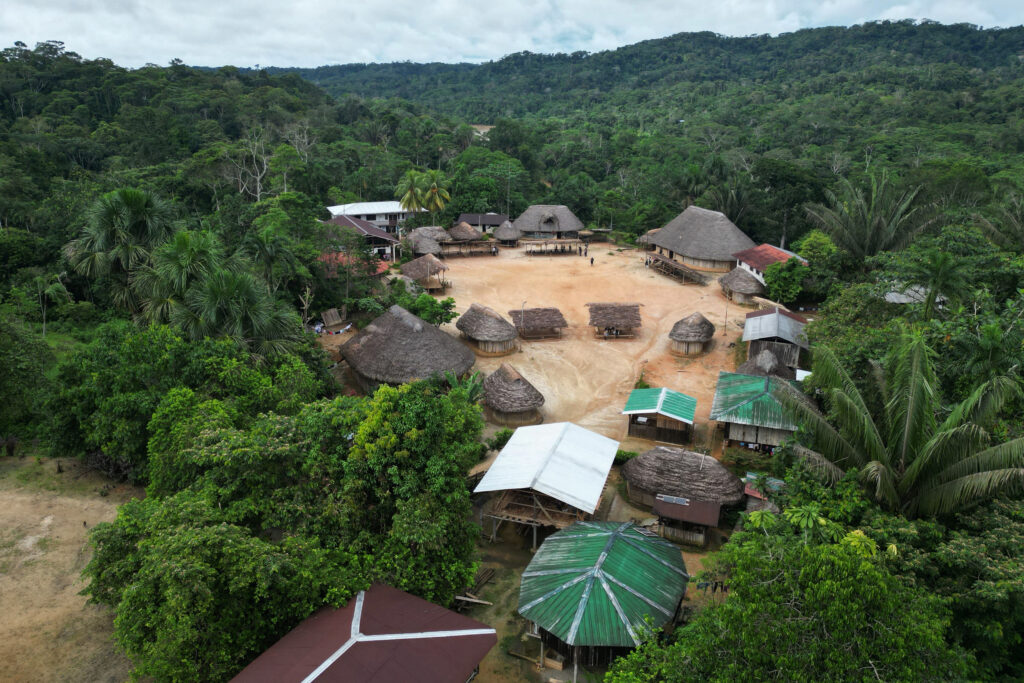
Indigenous leaders from Brazil journeyed to Sarayaku, Ecuador, to learn how the Kichwa community stopped an oil incursion.
Guisel Marworno and Wagner Karipuna paddled a motor‑powered canoe down the Bobonaza River, heading toward Sarayaku, Ecuador, after Brazilian Indigenous leaders asked for assistance.
The two men represent the Galibi Marworno and Karipuna peoples, who have historically defended their Amazonian territories—rainforest, mangroves and mudflats—from hunters, loggers and wildlife traffickers.
Last year, state‑owned Petrobras began offshore oil exploration near Brazil’s coastal border, prompting a rush of new settlers into Oiapoque and increasing pressure on Indigenous lands already threatened by pollution and climate change.
Across the Amazon basin, governments have granted oil and gas concessions covering roughly 31 million hectares, an area comparable to Poland, putting Indigenous cultures and spiritual values at odds with large‑scale projects backed by powerful lawyers and investment capital.
Facing a scale and speed of development they had never encountered, the Brazilian chiefs turned to Sarayaku for a proven strategy.
The Kichwa community of Sararaku forced an oil company out in the early 2000s and, according to the delegation’s global director Natalia Greene, helped pioneer the rights of nature concept, which treats ecosystems as legal persons with rights to exist and flourish.
The trip was organized by the Global Alliance for the Rights of Nature, which assembled about two dozen participants—including lawyers and Indigenous leaders—from across the Amazon and beyond to advance governmental recognition of nature’s rights.
Greene described Sarayaku as “the heart of the movement,” noting that its victories demonstrate practical applications of nature‑rights law.
While the Brazilian delegation seeks to apply Sarayaku’s tactics to their own battles, the broader implication is a growing network of Indigenous groups leveraging legal frameworks to counter powerful extractive interests.
Whether these efforts can stem the tide of concessions across millions of hectares remains to be seen, but the Sarayaku example offers a concrete blueprint for communities confronting similar threats.